
Vegetables
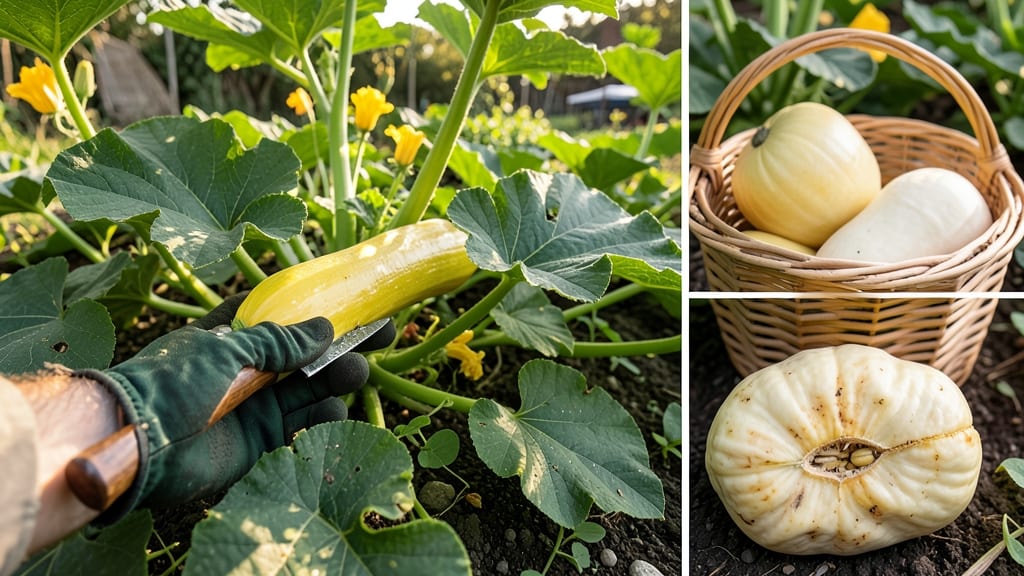
Harvest summer squash when they reach 6-8 inches and the skin snaps cleanly at the stem — timing this right ensures tender, flavorful squash instead of tough or seedy disappointments.
Picture this: you’ve nurtured your 🎃 summer squash all season, only to bite into a meal that tastes like rubber. That’s what happens when you harvest too late or miss the cues. The difference between a perfect squash and one gone wrong comes down to a few simple checks.
Most gardeners wait too long, letting squash grow oversized and seedy, but the real secret is in the size, color, and texture. A deep, consistent hue and a stem that snaps easily are your best indicators that the moment is now.
In this guide, I’ll walk you through the exact cues to watch for, how to avoid common mistakes, and why checking your squash every 2-3 days keeps your harvest flowing all summer long.
How to determine summer squash ripeness by size, color, and texture
Summer squash is one of those garden gems where timing your harvest makes all the difference. A squash picked too early will be bland and underdeveloped, while waiting too long turns it tough and seedy.
The key lies in mastering three simple checks: size, color, and texture. These visual and tactile cues ensure you harvest at peak flavor and tenderness.
Most summer squash varieties—like zucchini, yellow squash, and patio squash—reach harvest readiness between 40 to 60 days after planting. However, the exact moment depends on these three factors.
For example, zucchini often hits the sweet spot at 6 to 8 inches, while yellow squash may be ready slightly smaller, around 4 to 6 inches. Understanding these differences saves you from overripe disappointment.
| Variety | Ideal Size | Color Cues | Texture Test |
|---|---|---|---|
| Zucchini | 6-8 inches | Deep green, glossy | Skin resists thumbnail but isn't hard |
| Yellow Squash | 4-6 inches | Bright yellow, even tone | Firm but tender |
| White Squash | 5-7 inches | Creamy white, slight sheen | Skin gives slightly under pressure |
| Patio Squash | 3-5 inches | Color varies by type (green/yellow) | Skin tender but not soft |
Start with size, as this is the easiest cue to spot. For most varieties, aim for a squash that’s 6 to 8 inches long. Zucchini, for instance, should be about the size of a baseball or softball. If it’s smaller, it’s likely still developing its full flavor.
Conversely, if it’s larger than 10 inches, it’s probably past its prime, with tough skin and more seeds. Use a tape measure for precision, especially if you’re new to growing summer squash.
Next, examine the color. A ripe summer squash will have a deep, even hue—no pale or patchy spots. For green varieties like zucchini, look for a rich, glossy green without yellowing.
Yellow squash should be a bright, uniform yellow, while white varieties should be creamy with a slight sheen. Uneven coloring often signals uneven ripening, which can lead to inconsistent texture.
Finally, perform the stem snap test, a foolproof way to confirm ripeness. Gently grasp the squash’s stem and bend it slightly. If it snaps cleanly with a slight crack, it’s ready to harvest. If the stem bends without snapping, the squash is still immature.
On the other hand, if the stem feels woody or doesn’t snap at all, the squash is overripe. This test works for all summer squash varieties and is especially useful when sizing or coloring is ambiguous.
Pay attention to the skin texture as well. A ripe squash’s skin should feel firm but tender. Press your thumbnail into the skin: if it leaves a slight indentation but doesn’t puncture easily, it’s ready.
If the skin feels soft or mushy, the squash is underripe. Conversely, if the skin is hard and thick, it’s overripe. This tactile check is crucial, especially in humid climates where squash can ripen unevenly.
Variety-specific tips can refine your timing.
For example, yellow crookneck squash often ripens slightly earlier than zucchini, so check it when it’s around 4 to 6 inches. Patio or bush varieties, like 'Eight Ball' zucchini, may stay smaller but still reach peak flavor at 3 to 5 inches.
Always refer to the seed packet for variety-specific guidance, as some heirloom or hybrid types have unique ripening traits.
Environmental factors can also influence ripeness. In hot, dry climates, summer squash may ripen faster, so monitor them closely. In cooler or cloudy conditions, they might take longer to reach harvest size. Adjust your checks accordingly—size, color, and texture cues might shift slightly based on your local growing conditions.
For instance, a squash in a shady spot might stay green longer but still be tender when harvested.
Once you’ve mastered these cues, harvesting becomes second nature. Use a sharp knife or pruning shears to cut the squash from the vine, leaving a small portion of the stem attached. This prevents damage to the plant and encourages more fruit to develop.
Avoid pulling squash off the vine, as this can harm the plant and leave unsightly scars. Regular harvesting—every 2 to 3 days—keeps your plants productive and prevents overripe squash from taking over your garden.
With practice, you’ll develop an eye for the perfect summer squash. The first few harvests might require a little trial and error, but soon you’ll be picking squash at the ideal moment—tender, flavorful, and ready for your favorite recipes. Happy harvesting! 🌱🎃
Common harvesting mistakes that ruin summer squash flavor
Even the most experienced gardeners can fall into traps when harvesting summer squash. The biggest mistake? Picking too early or too late. A squash harvested before it's fully matured will taste bland and watery, while waiting too long turns it tough and seedy.
These timing errors often happen because we focus on size alone, ignoring the plant's color depth and skin texture.
Environmental factors like heat stress or pest pressure can also throw off your harvest timing. For example, extreme summer heat might accelerate ripening, while squash vine borers can weaken plants, making them produce smaller, less flavorful fruits. Understanding these variables helps you adjust your harvesting schedule to maintain quality.
⚠️ Harvesting Too Early or Too Late
Early harvest signs: Size < 6 inches, pale color, soft skin (pierces with thumbnail). Late harvest signs: Size > 8 inches, hard skin, prominent seeds, dull color.
Fix: Check stem snap test—ready squash stems bend and snap cleanly. Overripe squash stems won't snap and may have woody stems.
Another common mistake is ignoring the stem snap test. Many gardeners rely solely on size, but this test reveals the squash's true readiness. A proper snap means the fruit has reached peak tenderness. If the stem bends instead of snapping, it's either underripe or overripe—both bad for flavor.
Heat stress during summer months can also ruin your harvest. When temperatures exceed 90°F, squash plants produce bitter-tasting fruits. To combat this, provide afternoon shade with row covers or mulch heavily to keep roots cool. This simple adjustment can make a dramatic difference in taste.
Don't overlook pest damage either. Squash bugs and vine borers can cause premature fruit drop or stunted growth. If you notice yellowing leaves or wilting vines, inspect plants immediately. Removing affected fruits promptly prevents flavor degradation and stops pests from spreading to healthy produce.
If you've already harvested too early or too late, don't despair. Underripe squash can sometimes recover if left on the vine for 2-3 more days in cooler weather. Overripe squash, however, is best used immediately in cooked dishes where texture matters less.
For future harvests, mark your calendar based on your plant's first ripe fruit to establish a reliable schedule.