
How To
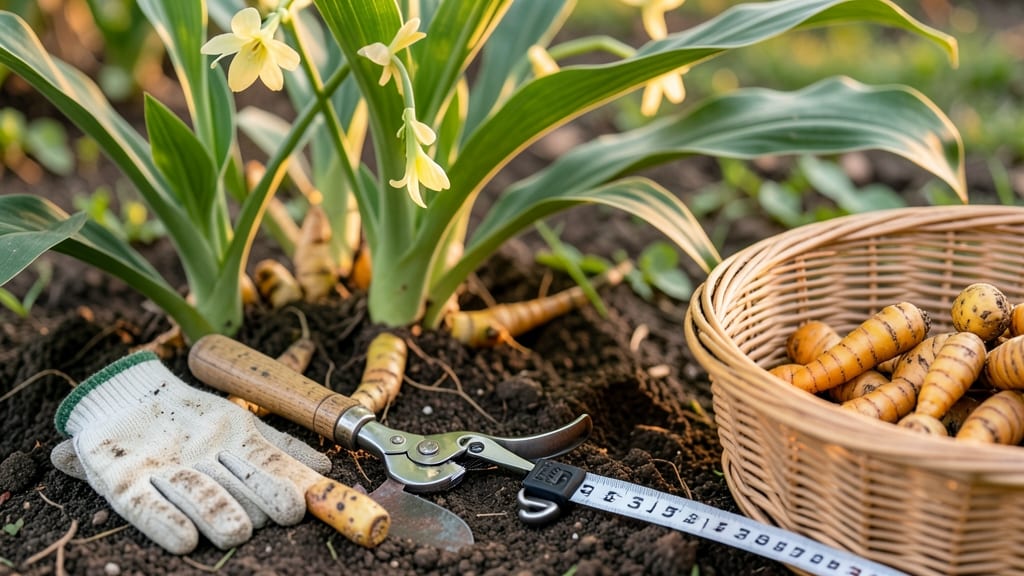
Harvesting turmeric at the right time means the difference between a vibrant, golden rhizome and a tough, bitter mess—here’s how to nail that perfect moment.
Picture this: you’ve waited months for your 🌿 turmeric to mature, only to dig up a pale, underdeveloped root. Or worse, a woody, overripe one that’s past its prime.
The secret? Watching for three key signals: leaf color, rhizome firmness, and soil conditions. Miss them, and you might as well be harvesting sticks.
In USDA Zone 6, timing is critical—aim for late October to early November, just before the first frost. But if you’re in a warmer climate, those bright orange rhizomes could be ready as early as September.
The trick isn’t just the calendar; it’s knowing when the plant tells you it’s ready.
Below, I’ll break down the exact signs to look for—from the shift in leaf color to the soil hardness test—and how to store your harvest so it stays flavorful for months. No guesswork, just golden, ready-to-use turmeric every time.

How to identify the perfect turmeric harvest time by root color
Harvesting turmeric at the right time ensures you get bright orange rhizomes packed with flavor and medicinal benefits. The most reliable indicator is the root color shift from green to golden-yellow, then finally to a rich orange hue.
This transformation signals the rhizomes have reached peak maturity and are ready for harvest.
I’ve found that leaf changes are the first visible clue. When the broad, green leaves begin to yellow and wither, it’s a clear sign that the plant is redirecting energy to the rhizomes. This usually happens around 8-10 months after planting, depending on your climate and growing conditions.
Here’s the key: bright orange rhizomes are your goal, but they won’t develop until the plant’s energy shifts from foliage to root growth. If you harvest too early, the rhizomes will be small and green, lacking the vibrant color and bold flavor you crave.
Regional differences matter too. In tropical climates, turmeric may mature faster, while in cooler zones, the process can stretch into late fall. Always aim to harvest before the first frost, as cold temperatures can turn the rhizomes bitter.
Don’t rely solely on color—also check for firmness. Ready-to-harvest rhizomes should feel dense and slightly woody to the touch, not soft or spongy. This firmness indicates they’ve stored enough starches for long-term storage.
If you’re growing turmeric in containers, the harvest timing remains the same, but you’ll need to monitor the rhizomes more closely since they’re easier to inspect. Gently lift the pot to check root color—if the rhizomes are 1-2 inches thick and orange, it’s time to harvest.
One common mistake I see is waiting until the leaves are completely brown. By then, the rhizomes may have become woody and less flavorful. Aim to harvest when about 60-70% of the leaves have yellowed, ensuring you catch the rhizomes at their peak.
For tropical gardeners, harvest timing might align with the dry season, as the plant naturally shifts energy to the roots during reduced rainfall. In temperate zones, plan to harvest in late fall, just before temperatures drop below 50°F (10°C).
Pro tip: Dig up one rhizome for testing if you’re unsure. Scrub it clean and check the color—if it’s bright orange inside, your entire harvest is ready. This small sacrifice saves you from harvesting too early or too late.
Once you’ve confirmed the perfect root color and leaf condition, it’s time to harvest. Use a sharp knife or spade to carefully lift the rhizomes, being mindful not to damage them during extraction. This is your reward for patiently watching those color shifts unfold over months.
The soil hardness test: a reliable method to check turmeric readiness
One of the most reliable ways to determine if your turmeric rhizomes are ready for harvest is by testing the soil hardness. This simple method helps you gauge root development without damaging the plant.
When the soil feels firm and the roots resist gentle pressure, it’s a clear sign that your turmeric is mature and ready to be harvested.
Before digging, check for visual cues like yellowing leaves and firm rhizomes. These signs, combined with the soil hardness test, give you confidence that your turmeric will be flavorful and vibrant. The test is quick, requires no special tools, and works for both garden beds and containers.
Why soil hardness matters: Turmeric rhizomes grow best when the soil is well-draining but not waterlogged. Firm soil indicates that the roots have fully developed and absorbed nutrients, making them ideal for harvest. Soft or spongy soil, on the other hand, suggests the rhizomes are still growing or may be waterlogged.
How to Perform the Soil Hardness Test
- Step 1: Gently push your finger about 1-2 inches deep into the soil near the base of the plant. Avoid disturbing the roots directly.
- Step 2: Assess the resistance you feel. If the soil feels firm but not rock-hard, the rhizomes are likely ready for harvest.
- Step 3: If the soil feels soft or spongy, wait another 2-4 weeks before retesting. This indicates the rhizomes are still developing.
- Step 4: For container-grown turmeric, gently tip the pot to check if the rhizomes feel heavy and firm against the sides.
- Step 5: If the soil passes the test, use a hand trowel to carefully dig around the plant, lifting the rhizomes without breaking them.
After confirming the soil is firm, dig carefully to avoid damaging the rhizome surface. Use a sharp, clean trowel to slice through the soil around the plant, then gently lift the entire root system.
Shake off excess soil to inspect the rhizomes—look for a bright orange color and firm texture, which are signs of readiness.
If you harvest too early, the rhizomes may be small and green, lacking the bold flavor and color you want. Conversely, waiting too long can lead to woody, bitter roots.
The soil hardness test, combined with visual cues, ensures you harvest at the perfect moment for the best results.
Once harvested, rinse the rhizomes gently to remove soil, then let them dry in a well-ventilated, shaded area for 1-2 weeks. Proper drying enhances flavor and extends storage life. Store dried turmeric in a cool, dark place for up to a year.