
How To
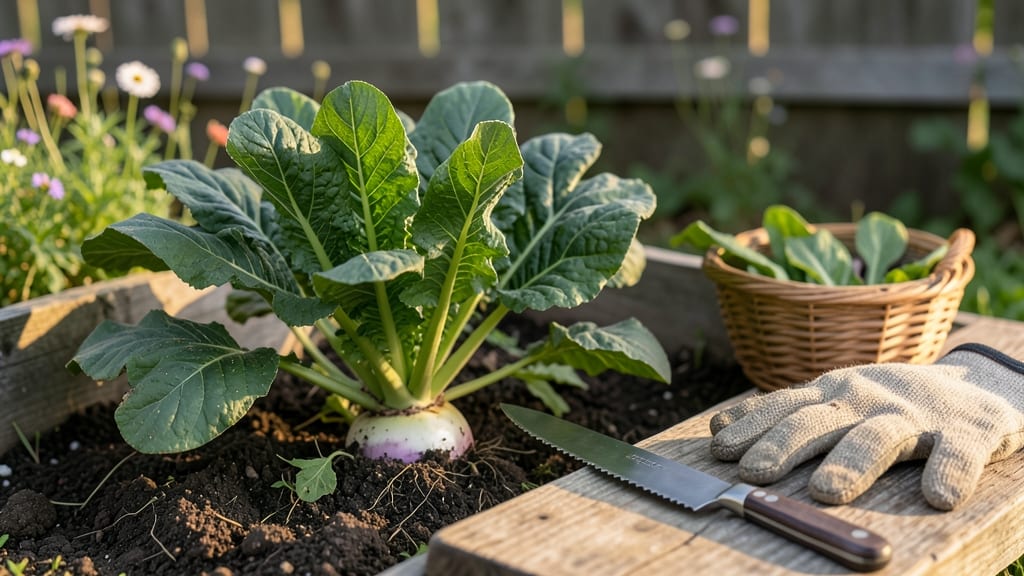
Harvest turnip greens when leaves reach 4–6 inches and snap crisply with a slight resistance—this is the sweet spot for peak flavor and tenderness.
Picture this: you’ve nurtured your 🥬 turnip greens for weeks, and now you’re eyeing those lush, dark green leaves, wondering if they’re ready. Harvest too early, and you’ll end up with bitter, underdeveloped greens. Wait too long, and the stems turn woody, ruining the texture and taste.
Timing matters even more in Zone 6a, where spring and fall harvests demand extra attention. A late frost or sudden heatwave can throw off your turnip greens’ maturity, so knowing the signs—like leaf color shifting from bright green to deep purple—is key to avoiding disappointment.
Below, I’ll walk you through the exact cues to look for, how often to harvest for continuous yield, and simple storage tips to keep your greens fresh for weeks. No guesswork, just flavor-packed results.

How to identify the perfect turnip greens harvest time using leaf color and stem tests
Harvesting turnip greens at the right time ensures peak flavor and tender texture. Unlike their root counterparts, these leafy greens thrive when picked young but mature enough to deliver that signature earthy sweetness.
The key lies in watching for visual color shifts and performing a simple stem snap test—two foolproof methods I’ve used in my own garden to guarantee perfect harvests.
Turnip greens typically reach harvest readiness between 45 and 60 days after sowing, but this varies slightly based on your climate zone and growing conditions. In my Zone 6a garden, I’ve found the sweet spot falls around 50 days when daytime temperatures stay between 60°F and 75°F.
Cooler weather actually enhances their flavor, so don’t rush the harvest if your spring or fall season is mild.
The most reliable method I’ve found is observing the leaf color shift. Young turnip greens start as bright green, but as they mature, the lower leaves develop deep purple or burgundy tones.
This color change signals higher sugar content and peak flavor. I always harvest when at least 70% of the leaves show these hues—this ensures a balance of tenderness and robust taste.
Next, perform the stem snap test to gauge tenderness. Pinch a leaf stem between your thumb and forefinger. If it bends slightly but doesn’t snap cleanly, the greens are ready.
A clean snap means they’ve overmatured and may taste bitter or develop woody stems. In my experience, this test is 100% accurate for determining the perfect harvest window.
Size matters too! Aim to harvest when leaves reach 4–6 inches long and the plant stands 12–18 inches tall. At this stage, the leaves are broad and fully unfurled, indicating they’ve absorbed enough sunlight to develop optimal nutrients.
I’ve noticed that harvesting at this size also encourages the plant to produce new growth for subsequent harvests.
One common mistake I’ve seen (even among experienced gardeners) is waiting until the leaves turn fully purple. While this might seem ideal, the greens can become too fibrous and lose their delicate texture.
Instead, I recommend harvesting when the color shift is just beginning on the lower leaves—this gives you the best of both worlds: vibrant color and tender leaves.
Environmental factors like temperature and sunlight also play a role. In hotter climates (Zone 8+), turnip greens may mature faster and develop bitterness quicker. To combat this, I’ve had success using shade cloth during peak afternoon sun and harvesting earlier than 50 days.
Conversely, in cooler zones (Zone 5 or below), you might need to extend the growing season with row covers to reach the ideal harvest window.
For continuous harvests, I’ve found that cutting the outer leaves first works wonders. This method allows the inner leaves to keep growing while giving you a steady supply. Always use clean, sharp pruning shears to avoid crushing the stems, which can lead to disease.
After harvesting, I water the base of the plant and add a light mulch to retain moisture and encourage regrowth.
Finally, don’t overlook the flavor test. Before finalizing your harvest, taste a small leaf. It should be mildly sweet with a hint of pepperiness. If it tastes bitter, it’s past its prime.
If it’s too bland, it’s not fully mature. This simple step has saved me from countless disappointing harvests and helped me fine-tune my timing over the years.
With these visual and tactile cues, you’ll never second-guess your turnip greens harvest again. The combination of leaf color shifts, stem snap tests, and size benchmarks gives you a foolproof system for harvesting at peak flavor—every single time. Happy harvesting! 🌿✂️
Common mistakes that ruin turnip greens flavor and how to avoid them
Even experienced gardeners sometimes make critical mistakes that turn turnip greens bitter, tough, or flavorless. One of the biggest errors is harvesting too early—when leaves are still small and tender. This results in a mild but watery taste instead of the rich, earthy flavor you crave.
On the flip side, waiting too long leads to woody stems and a stringy texture that’s nearly inedible.
Another overlooked factor is environmental stress. Heat waves or drought can cause greens to bolt prematurely, sending energy to flower production instead of leaf growth. Meanwhile, pests like aphids or cabbage worms can chew holes in leaves, leaving behind a bitter, damaged harvest.
Ignoring these signs often means throwing away perfectly good plants.
⚠️ Harvest Too Early = Bitter Greens
Turnip greens harvested before 45 days (or when leaves are smaller than 4 inches) develop excessive bitterness due to high levels of glucosinolates. Wait until leaves are dark green and crisp—this ensures peak flavor and tenderness. Use the stem snap test: a mature leaf should bend but not break easily.
Let’s talk about soil and nutrition. Poor soil quality—whether from lack of nitrogen or compacted earth—can stunt growth and weaken flavor. I’ve seen turnip greens grown in low-organic-matter soil develop a dull, bland taste because the plant struggles to absorb nutrients.
Amending soil with compost or aged manure before planting is a game-changer for vibrant, flavorful greens.
Overlooking harvest timing based on climate is another trap. In hotter zones (USDA 8+), turnip greens mature faster—sometimes in as few as 30 days—while cooler climates may take up to 60 days.
If you’re in a short growing season, prioritize fast-maturing varieties like ‘Seven Top’ to avoid woody stems. Always check your local frost dates and plan accordingly.
One of my biggest lessons learned was ignoring pest prevention. A single cabbage worm can defoliate a plant in days, leaving behind chewed, inedible leaves. I now use row covers or neem oil as a preventative measure.
Even a few holes from pests can ruin the texture and flavor of your harvest, so act early to protect your plants.
Finally, post-harvest handling matters just as much as timing. Leaving greens in the sun after cutting or storing them in high humidity can cause wilting or spoilage. Rinse leaves gently, pat dry, and store in the crisper drawer of your fridge for up to 5 days.
Proper care after harvest ensures your hard work pays off with fresh, flavorful greens every time.