
Vegetables
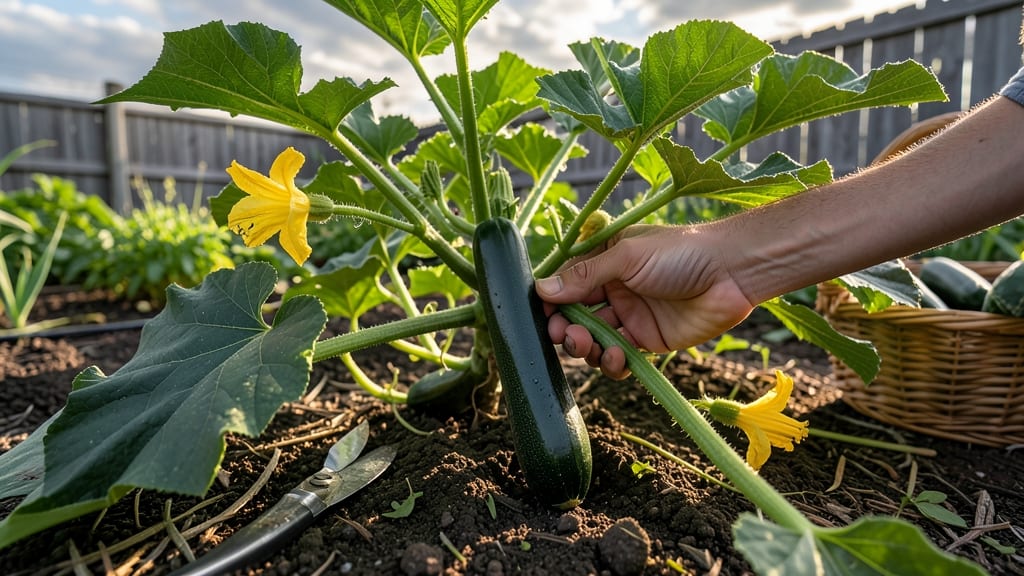
Harvesting zucchini at the right time ensures tender, sweet 🥒 with the best texture and flavor — and missing the window means tough, seedy, or bitter results.
Picking zucchini at the wrong time can turn your homegrown bounty into bitter, seedy disappointments, yet harvesting too early means missing out on full flavor and maximum yield. Timing is everything, and these 3 key signs will help you nail it every time.
Most gardeners wait until the zucchini reaches 6-8 inches in length, but size alone isn’t enough. You’ll also want to check the skin’s firmness and color — a deep, consistent green signals peak ripeness, while pale or soft spots mean it’s not ready.
In this guide, I’ll walk you through the visual cues that guarantee the best harvest, common mistakes that ruin flavor, and how proper timing keeps your plants producing all season long.
3 Visual signs your zucchini is perfectly ripe for harvesting
Timing your zucchini harvest is like catching a wave—too early, and you miss the sweet spot; too late, and you're left with tough, seedy disappointment. The good news? Your zucchini plants send clear visual signals when they're ready.
Ignoring these cues means sacrificing flavor and texture for bitter, fibrous squash. Let's break down the three foolproof signs that your zucchini is begging to be picked.
First, most gardeners focus on size as the primary indicator. When your zucchini reaches 6 to 8 inches in length, that's your golden window. This range ensures tender flesh and maximum sweetness.
Smaller than 4 inches? You're harvesting too soon—expect underdeveloped flavor. Larger than 10 inches? You've waited too long, and the flesh becomes tough and seedy.
Here's where many gardeners make mistakes: they assume all zucchini varieties follow the same size rule. Black Beauty and Golden Zucchini varieties have slightly different ideal sizes, but the 6-8 inch guideline remains your best friend.
Always check the variety's specific recommendations, but never let a zucchini grow beyond 12 inches—that's when bitterness creeps in.
| Sign | Perfectly Ripe Zucchini | Overripe Zucchini |
|---|---|---|
| Size | 6-8 inches long | 10+ inches long |
| Color | Deep, consistent green (or golden for varieties) | Pale, mottled, or dull |
| Texture | Skin resists gentle thumbnail pressure | Skin dents easily; flesh is tough |
| Stem | Snaps easily when bent | Hard to bend; may have woody stem |
| Seed Cavity | Small, pea-sized seeds | Large, developed seeds |
Next, pay attention to the color of your zucchini. A perfectly ripe squash should have a deep, consistent color—whether that's the classic dark green or the golden hue of varieties like 'Golden Zucchini'.
Look for vibrancy, not dullness. Overripe zucchini often develop pale spots or mottling, signaling it's past its prime. Pro tip: Check the stem end first—this is where color changes show up earliest.
Texture is where many home gardeners trip up. A ripe zucchini's skin should resist gentle pressure from your thumbnail. Press lightly—if it leaves no mark, it's ready. If the skin dents easily, it's still immature. The flesh should also feel firm to the touch.
Overripe zucchini become soft and spongy, with a watery interior that's perfect for compost but terrible for eating. This texture test works for both green and yellow varieties.
Don't overlook the stem as a final checkpoint. When your zucchini is perfectly ripe, the stem should snap cleanly when bent. This indicates the squash has fully matured and is ready for harvest.
If the stem resists bending or feels woody, you've waited too long. The stem test is particularly useful when you're dealing with heavy zucchini varieties that might hide their true ripeness behind thick skins.
Here's the kicker: waiting too long doesn't just ruin flavor—it reduces your plant's yield. When zucchini grow beyond their prime, the plant's energy shifts from producing new fruit to supporting the overgrown squash.
This creates a vicious cycle where your plant becomes overwhelmed, producing fewer harvests. Regular harvesting at the 6-8 inch mark encourages your zucchini plant to keep producing throughout the season.
One common mistake I see in my own garden is harvesting based on calendar dates rather than visual cues. Just because it's July doesn't mean your zucchini is ready—some varieties mature faster in warm climates. Always prioritize the three visual signs over guesswork.
And remember: if you're unsure, it's better to harvest a little early than risk waiting too long. Immature zucchini can still be used in cooking—they're just less flavorful.
Mastering these signs takes practice, but once you get the hang of it, you'll be harvesting zucchini at their peak every time. Your taste buds—and your plant's productivity—will thank you. Grab your pruners, check for these three indicators, and enjoy that homegrown harvest at its absolute best! 🥒
How zucchini size affects flavor and texture (with exact measurements)
I’ve learned the hard way that zucchini size isn’t just about aesthetics—it directly impacts flavor and texture. Harvesting too early means underdeveloped flesh, while waiting too long turns them woody and seedy. The sweet spot for most varieties is 6-8 inches, where tenderness peaks and bitterness fades.
Smaller zucchini (4 inches or less) often taste bland because their seeds are underdeveloped and the flesh hasn’t fully matured. Meanwhile, zucchini over 10 inches develop tough skin and a fibrous texture, making them less enjoyable to eat fresh. Let’s break down the exact measurements that matter.
For heirloom varieties like Black Beauty or Eight Ball, the 6-8 inch range delivers the best balance of sweetness and tenderness. Even bush varieties like Patio Star (which stay smaller) hit their flavor peak at 5-6 inches—so don’t wait until they’re giant!
Larger zucchini (like 12+ inches) are often used for baking or roasting, where their starchy texture works better. But for fresh eating? Smaller is always better. I’ve found that harvesting at 6-8 inches also encourages the plant to produce more flowers and fruit, boosting your overall yield.
Pro tip: Use a gentle thumb test—press your thumbnail into the skin. If it leaves a slight dent but doesn’t puncture, it’s ready. If the skin resists completely, it’s past its prime. Timing your harvest this way ensures every zucchini is at its flavor peak.
Remember, consistency matters. Check your plants every 2-3 days during peak season to avoid missing the window. The more you harvest at the right size, the more your plants will reward you with abundant, delicious zucchini all season long. 🌱