
Vegetables
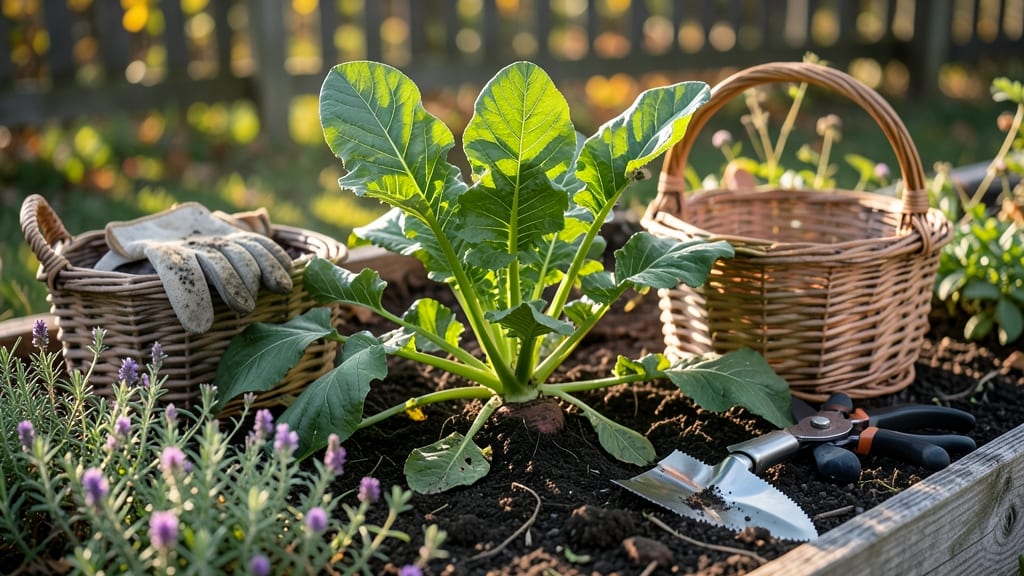
Harvesting beets at the right time turns your garden into a treasure trove of sweet, earthy flavor—when you pull them too early or too late, you’re left with either bland or bitter roots.
Timing your beets perfectly at harvest time can mean the difference between earthy, slightly bitter roots and sweet, tender gems straight from your garden. The key?
Watching for roots that are 1-3 inches in diameter with vibrant color and healthy greens—signs that your 🍠 are ready to shine in roasts, salads, or storage.
But here’s the catch: beets don’t stop growing once they’re “done.” Leave them too long in the soil, and you’ll end up with woody, tough roots that fight back with bitterness.
In Zone 6a, that means pulling them in May-June for spring plantings or October-November for fall crops, before the first frost hits.
In this guide, I’ll walk you through how to test for sweetness, avoid common mistakes, and store your harvest so it stays fresh for months—no more guessing, just delicious, homegrown beets every time.

How to determine the best beets harvest time by size, days, and soil conditions
Timing your beets perfectly at harvest time can mean the difference between earthy, slightly bitter roots and sweet, tender gems straight from your garden. The key lies in understanding three critical factors: root size, days to maturity, and soil conditions.
Each of these elements works together to determine when your beets are at their sweetest and most flavorful. For example, a Detroit Dark Red beet harvested at the right time will burst with flavor, while waiting too long can turn it woody and tough.
Beets are remarkably forgiving when it comes to harvest timing, but precision ensures the best results. Whether you're growing baby beets for quick salads or full-sized roots for storage, paying attention to these cues will maximize your harvest.
I’ve learned that even a few extra days in the ground can make a noticeable difference in texture and taste. Let’s break down the essential signals to watch for and how to adjust for your specific climate.
Root size is the most visual cue for determining harvest time. For baby beets, aim for a diameter of 1-2 inches. These smaller roots are perfect for quick-cooking dishes like salads or sautéed sides.
When harvesting baby beets, I like to pull a few test roots to check their size and tenderness. If they’re still too small after 30-45 days, give them another week or two—they’ll grow quickly with consistent moisture and sunlight.
For full-sized beets, the ideal diameter is 2-3.5 inches. At this stage, the roots are at their sweetest and most tender, making them perfect for roasting, pickling, or long-term storage.
I’ve found that Detroit Dark Red and Chioggia varieties reach peak flavor around 50-70 days after sowing, depending on your climate. In my garden, I often harvest these varieties in late summer when the roots have developed a deep, rich color and the leaves are still vibrant and healthy.
Days to maturity are another critical factor, but they can vary based on your USDA hardiness zone and growing conditions. In cooler climates like Zone 3-5, beets may take 10-15 extra days to mature compared to warmer zones like Zone 8-10.
For example, in my Zone 6 garden, I adjust my harvest timeline by checking the soil temperature and plant growth rate. If the weather has been unusually cool, I might extend the days slightly to ensure the roots have enough time to develop fully.
Soil conditions play a surprising role in determining the best harvest time. Beets grown in well-draining, loose soil with ample organic matter tend to mature faster and develop sweeter flavors.
I always test my soil’s moisture level before harvesting—waterlogged soil can cause the roots to absorb too much moisture, diluting their flavor, while dry soil can make them tough and woody.
The best time to harvest is on a cool, overcast day when the soil is slightly moist but not soggy.
Don’t overlook the leaves when determining harvest time. Healthy, deep green leaves indicate that the beet is still actively growing and storing nutrients. If the leaves start to yellow or wilt, it’s a sign that the beet may be overmature or struggling.
In my experience, the best time to harvest is when the leaves are 4-6 inches tall and the roots are the desired size. This balance ensures that the beet has enough energy to develop a sweet, tender root without becoming woody.
Regional adjustments are essential for getting the timing right. In hotter climates, beets may mature faster due to longer daylight hours and warmer soil temperatures. Conversely, in cooler climates, the growing season is shorter, so I often start seeds indoors or use row covers to extend the season.
For example, in Zone 4, I might start my beets indoors in early spring and transplant them outdoors after the last frost to ensure they have enough time to mature before the first frost.
One of the biggest mistakes I’ve seen gardeners make is waiting too long to harvest. Overmature beets develop a woody texture and a bitter core, which can ruin their flavor. To avoid this, I recommend harvesting a few beets as a test when they’re close to the ideal size
Step-by-step beets harvesting guide: when to pull for maximum sweetness
Harvesting beets at the perfect moment transforms your garden into a treasure trove of sweet, tender roots. The key lies in watching for three critical signs: root size, leaf health, and soil conditions.
Unlike many vegetables, beets actually sweeten as they mature, but only up to a point—wait too long, and you’ll end up with woody, bitter roots. I’ve learned through years of trial (and a few too many overripe beets) that timing is everything.
Start by checking the diameter of your beet roots. For baby beets, aim for 1-2 inches—these are ideal for quick salads and roasting. Full-sized beets should reach 2-3.5 inches in diameter, which is when they hit peak sweetness.
Use your fingers to gently feel the soil around the base of the plant; if the root feels firm and rounded, it’s likely ready. Pro tip: Dig a test hole near a plant to peek at the root without disturbing the entire patch.
⚠️ ⚠️ 3 Harvesting Mistakes That Ruin Your Beets ⚠️
Never harvest beets when the soil is soggy—this dilutes their flavor and makes them watery. Instead, wait for a mild, overcast day when temperatures are between 50-75°F. Early morning is ideal because the roots will be cool and firm, not stressed by heat.
If you must harvest in hot weather, do it in the late afternoon to avoid shocking the plants. I once pulled beets at noon during a heatwave, and they bled excessively, losing half their sweetness.
Healthy beet greens are another clue to doneness. Look for leaves that are deep green and vibrant, not yellowing or wilted. If the greens start to bolt (send up flower stalks), your beets have passed their prime and will taste bitter.
However, don’t wait until the greens are fully mature—harvest when they’re about 6-12 inches tall for full-sized roots. For baby beets, you can harvest even earlier when the greens are just 4-6 inches tall.
To harvest, use a garden fork or trowel to loosen the soil around the beet, then gently pull upward. Avoid twisting, as this can damage the root.
Once pulled, trim the greens to about 1 inch above the root—this prevents them from drawing moisture away and keeps the beet fresh longer. If you’re not using the greens immediately, store them separately in the fridge, as they’ll wilt quickly.
I like to save the greens for sautéing with garlic and olive oil; they’re packed with flavor!
After harvesting, don’t wash your beets until you’re ready to use them. Washing introduces moisture, which can cause rot during storage. Instead, brush off excess dirt with a damp cloth. For immediate use, cook them whole—roasting enhances their natural sweetness.
If storing, keep them in a cool, dark place like a root cellar or refrigerator. With proper timing and care, your beets will stay sweet and crisp for weeks.