
Picking
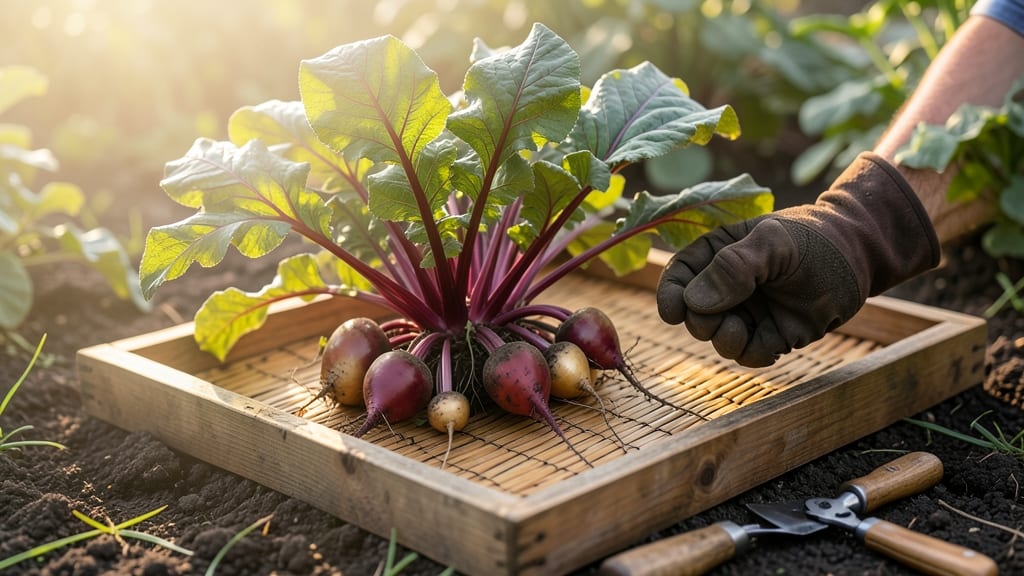
Harvesting beets from your garden at the right time means the difference between a tender, sweet root and a tough, woody mess—so timing is everything.
Picture this: you’ve been watching your 🍠 grow all season, and now the leaves are vibrant but the roots feel stubborn in the soil. How do you know if they’re ready?
The answer lies in size, color, and a little soil trick that saves you from digging too early—or too late.
Beets mature in 60-100 days, but their ideal harvest window is when roots hit 1-3 inches in diameter. Wait too long, and the texture turns fibrous; pull them too soon, and you’re left with undersized greens.
Below, I’ll walk you through the exact cues to check—plus how to store them for weeks afterward.
Whether you’re growing baby beets for salads or full-sized roots for roasting, these practical tips will help you harvest at peak flavor every time. Let’s get started.

How to determine beet root size for perfect harvest time
Harvesting beets at the right time ensures sweet, tender roots packed with flavor. The ideal beet size depends on whether you're growing baby beets (1-2 inches) or mature storage beets (3+ inches).
For most varieties, aim for roots between 1 to 3 inches in diameter—this is when they're at their peak tenderness and flavor.
Baby beets are perfect for quick salads or pickling, while larger roots store better for winter use. Pay attention to the root shape too—round, smooth beets are ready, while elongated or misshapen roots may have been disturbed by competition or uneven soil.
The leaf size also matters: vibrant greens reaching 4-6 inches tall signal a ready beet below.
Here’s a quick reference to help you decide when to harvest based on root size and variety:
| Beet Type | Root Size | Leaf Size | Best For | Days to Harvest |
|---|---|---|---|---|
| Baby Beets | 1-2 inches | 2-4 inches tall | Salads, pickling | 45-55 days |
| Mature Beets | 3-4 inches | 6-8 inches tall | Storage, roasting | 60-75 days |
| Storage Beets | 4+ inches | 8+ inches tall | Winter storage | 80-100 days |
For baby beets, thin the seedlings early to give roots space to grow. If you’re growing golden beets or chioggia beets, harvest when roots reach 1-2 inches—they’re sweeter and more tender at this stage.
Over-mature beets develop a woody texture and lose their sweetness, so don’t wait too long!
Check the root color as another clue—deep, consistent hues (red, gold, purple) indicate maturity. If the roots are pale or streaked, they may need more time in the soil. Soil conditions also play a role: loose, well-drained soil makes it easier to dig up beets without damaging them.
If you’re growing multi-colored beets like 'Rainbow Mix,' harvest when the roots are uniformly colored and firm to the touch. Gently brush away excess soil to reveal the true color—this helps you judge readiness accurately.
For storage beets, wait until roots reach 3-4 inches in diameter for the best flavor and storage life.
One common mistake is harvesting beets based solely on days after planting. Instead, focus on physical cues like size, shape, and leaf health. For example, if your beets are planted in partial shade, they may take longer to reach the ideal size. Adjust your expectations based on growing conditions.
To harvest, use a garden fork to loosen the soil around the beet, then grasp the greens and gently pull. Avoid cutting the roots—this can cause them to rot. Rinse off excess dirt and store in a cool, dark place for up to 2 weeks.
For long-term storage, cure the beets by leaving them in a warm, dry place for 2-3 hours before storing.
If you miss the perfect harvest window, don’t worry! Beets are forgiving—you can often re-harvest by leaving the greens intact and letting the roots regrow, though the second harvest may be smaller.
Pay attention to these visual and tactile cues next time, and you’ll always know when to harvest beets for the best flavor and texture.
🌱
Soil and leaf tests to check beet readiness before digging
Determining the perfect moment to harvest beets isn't just about guessing by days—it's about reading your plants. The leaf color and soil condition around your beets reveal whether they're ready to pull or need more time in the ground.
I've learned that ignoring these visual cues often leads to either undersized baby beets or tough, woody roots that ruin salads.
Start by examining the beet greens. Healthy, vibrant leaves with a deep green hue indicate the plant is thriving. When the leaves reach about 4-6 inches tall and show no signs of yellowing or wilting, it's a good sign the roots below are developing properly.
The greens should also feel firm to the touch—any mushiness means your beets need more time or water.
Now, let's talk about the soil test that's often overlooked. Gently push your finger about 1-2 inches into the soil near the beet's base. If the soil feels slightly resistant but gives way easily, that's your cue—the roots have reached ideal size.
If the soil feels loose and crumbly, your beets likely need more time to grow. This simple test prevents you from digging up underdeveloped roots.
⚠️ Warning: Don't Wait Too Long!
Beets left in the ground past their prime become woody and tough. The leaf color turns yellow or brown, and the soil test reveals hard, fibrous roots.
Even worse, late harvests attract pests like beet leafhoppers that target stressed plants. Check your beets every 3-5 days during peak growing season to avoid this common mistake.
Weather plays a surprising role in beet readiness. Cool evenings (below 70°F) actually sweeten the roots, making them more flavorful. If your area experiences sudden heatwaves, harvest your beets earlier than usual—the roots may develop a bitter taste.
I once waited for ideal size during a heatwave and ended up with beets that tasted disappointingly sharp, even though they looked perfect.
For storage beets, aim for roots that reach 3-4 inches in diameter. These larger varieties handle storage better and last through winter. The key is to harvest them when the shoulders of the root (where the greens attach) are about the size of a golf ball.
Use a garden fork to loosen the soil before pulling to avoid damaging the roots.
One final tip: Morning harvests are ideal because the soil is moist from overnight watering, making the beets easier to pull cleanly. After harvesting, let the beets cure in the sun for about an hour to toughen their skins slightly—this helps them store longer.
I've found that beets harvested in the afternoon often bruise more easily when handled.