
Picking
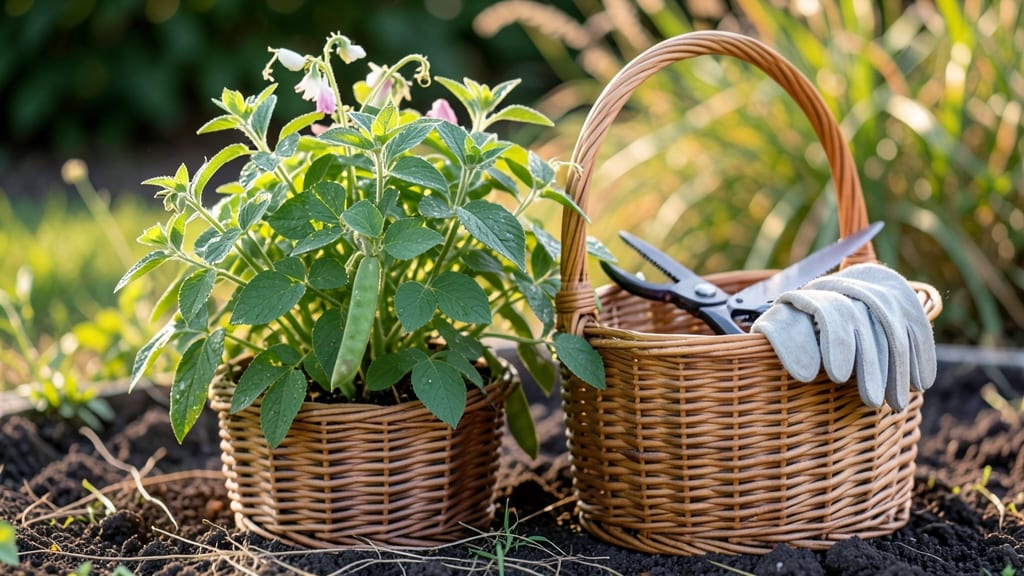
Harvesting bush beans at the right time turns your garden into a flavor factory—when pods are plump and seeds rattle just right.
Nothing beats the satisfaction of plucking perfectly ripe bush beans straight from your garden—if you know exactly when to harvest them. Miss the window, and you’ll end up with tough, stringy pods or shriveled seeds.
Look for pods that are 4-6 inches long, firm but tender, and snap easily when bent. The color should be vibrant, and seeds inside should be visible but not bulging. These visual cues are your green thumb’s shortcut to peak flavor and yield.
Below, I’ll break down the best techniques for harvesting, how often to pick for maximum production, and what happens if you harvest too early or too late. You’ll never second-guess your timing again!

How to identify the perfect bush bean harvest time by appearance and texture
Timing your bush bean harvest is all about reading the pods' visual cues and tactile signals. When you pick them at the right moment, you’ll enjoy tender, flavorful beans with crisp textures. The key lies in observing size, color, and seed development—each plays a role in determining peak ripeness.
Ignoring these signs often leads to overripe or underripe harvests, which can ruin your meal prep or compost pile.
Start by checking the pod length—ideal harvest size for most bush beans is between 4 to 6 inches. Smaller pods (under 4 inches) are still too young and won’t offer the best flavor or texture.
Larger pods (over 6 inches) become tough and stringy, making them less enjoyable to eat. This size range ensures you’re harvesting at the sweet spot for both taste and texture.
Next, examine the pod color. Mature bush beans should display a vibrant, consistent hue—whether green, purple, or another variety-specific shade. Dull or fading colors signal overripeness, while pale pods indicate they’re not yet ready.
Pay close attention to the shininess of the pod; a glossy finish is a hallmark of freshness, while a matte appearance suggests the beans are past their prime.
Here’s a quick reference to help you identify the perfect harvest time:
| Harvest Cue | Description | Action |
|---|---|---|
| Pod Size | 4-6 inches long | Harvest immediately |
| Pod Color | Vibrant and consistent | Pick when fully colored |
| Seed Visibility | Visible but not bulging | Harvest before seeds harden |
| Pod Texture | Firm but slightly tender | Avoid mushy or overly hard pods |
| Seed Rattle | Gentle shake produces faint rattle | Harvest before loud rattling |
Don’t overlook the tactile test—gently squeeze the pod between your fingers. At peak ripeness, it should feel firm yet slightly tender. If it’s too hard, the beans inside are likely overdeveloped, while a mushy texture means the pod is past its prime.
This simple check helps you avoid the common mistake of harvesting beans that are either too young or too old.
Another trick is the seed rattle test. Hold a pod near your ear and give it a gentle shake. If you hear a faint rattle, the seeds are still soft and the pod is ready for harvest.
A loud, distinct rattle means the seeds are hardening, and the pod has passed its prime. This method is especially useful for bush bean varieties with thicker pods, where visual cues might be less obvious.
Pay attention to how the pod separates from the stem. When beans are ready, they should detach cleanly with a slight twist or tug. If the pod resists, it’s not yet ripe. On the other hand, if it snaps off easily but leaves a ragged edge, it’s likely overripe.
This separation test is a quick way to confirm whether your beans are at their harvest sweet spot.
One of the biggest mistakes gardeners make is waiting too long to harvest. Overripe beans develop tough, stringy fibers and hard seeds, which can reduce their usability in recipes. Conversely, harvesting too early results in small, underdeveloped pods with minimal flavor.
Striking the balance between these extremes ensures you get the most out of your bush bean plants and enjoy a bountiful harvest.
For the best results, make it a habit to check your plants every 2-3 days during peak growing season. This frequent monitoring helps you catch beans at their perfect ripeness and encourages your plants to produce more pods.
With practice, you’ll develop an instinct for when your bush beans are ready to pick, making the harvest process smoother and more rewarding.
Mastering the art of identifying the perfect bush bean harvest time transforms a simple gardening task into a satisfying ritual. By focusing on pod size, color, texture, and seed development, you’ll ensure every harvest delivers the best flavor and texture possible. Happy harvesting! 🌱
Bush bean harvest frequency and techniques to maximize yield and flavor
Harvesting bush beans at the right frequency is the secret to a never-ending supply of tender, flavorful pods. I’ve learned that picking every 2-3 days keeps plants producing for weeks, while waiting too long leads to tough, stringy beans.
The key is consistency—once your plants start flowering, they’ll reward you with a steady harvest if you stay on top of it.
Using the right tools makes all the difference. I always grab a pair of sharp pruning shears or a small knife for clean cuts, which prevents damaging the plant. Hand-picking works too, but I find cutting stems just above a leaf node encourages even more growth.
Avoid yanking pods—this can uproot young plants or leave them vulnerable to pests.
Morning is the best time to harvest—pods are cool, crisp, and packed with flavor. I’ve noticed that harvesting after rain can lead to soggy beans, so I always check the weather forecast. If rain is in the forecast, I’ll harvest a day early to avoid waterlogged pods.
Store freshly picked beans in the fridge for up to 5 days or preserve them by blanching and freezing for long-term storage.
One mistake I used to make was harvesting too aggressively, thinking it would boost production. But over-picking stresses the plant and can reduce future yields. Now, I follow the 80% rule: leave about 20% of the pods unharvested to keep the plant balanced.
This simple adjustment has doubled my harvest in some seasons!
If your bush beans start producing fewer pods or the existing ones turn tough, it might be time to give them a light nitrogen boost.
A quick side-dressing of compost or a balanced fertilizer can revive sluggish plants. Just be sure to water it in well to avoid burning the roots.
With the right frequency and techniques, your bush beans will keep producing like a well-oiled machine. I’ve had plants last 8-10 weeks with consistent care, giving me a bountiful harvest all summer long.
The key is staying attentive—once you master the rhythm, you’ll never run out of fresh, homegrown beans again! 🌱