
Picking
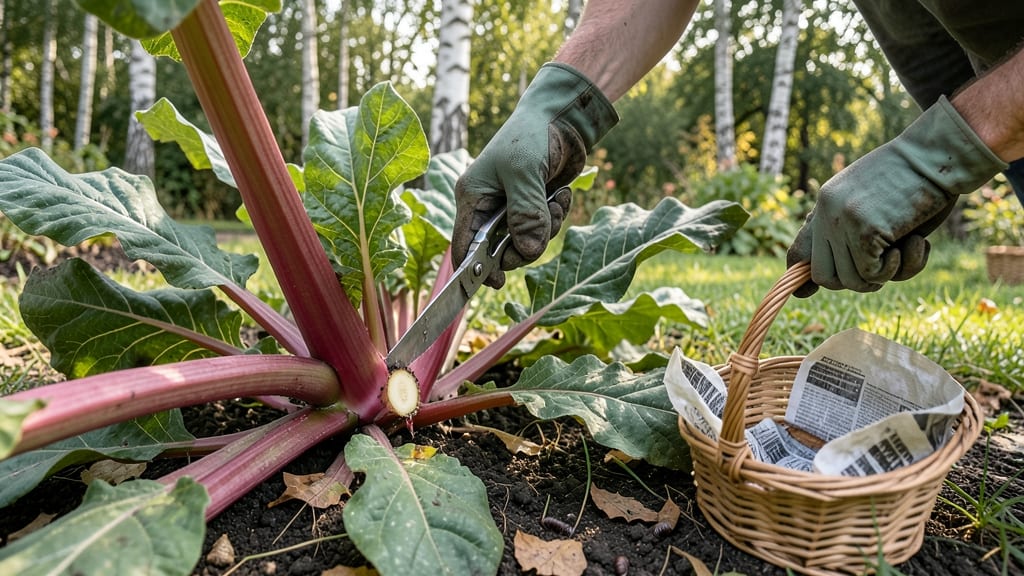
Harvesting rhubarb in October is possible in mild climates, but timing and frost protection are everything to keep your 🍃 rhubarb healthy for next year.
Picture this: you’re eyeing those last few stalks of rhubarb, still firm and vibrant, while the first frost warnings pop up. Can you safely harvest them, or will you risk weakening the plant before winter? The answer depends on your climate, variety, and a few smart strategies.
In USDA Zone 6a and warmer, late-season harvesting is doable if you focus on frost-resistant varieties like ‘Victoria’ or ‘Sacre Coeur’ and protect the crown with mulch. But in colder regions, October harvests can stress the plant—leaving it vulnerable to winter dieback.
Below, I’ll break down when to harvest, how to shield your rhubarb from frost, and which varieties hold up best in October’s chill. You’ll learn how to extend your harvest season without sacrificing next year’s crop.

When and how to harvest rhubarb in October without damaging the plant
October can still be a productive month for your rhubarb harvest, but timing is everything. Unlike spring and summer, when you can harvest freely, late-season harvesting requires extra caution to avoid stressing the rhubarb crown before winter.
The key is balancing your need for fresh stalks with the plant’s need to store energy for next year’s growth. If done correctly, you can extend your harvest into October without compromising the plant’s health or next year’s yield.
First, check your local frost dates. Most regions experience their first frost between mid-October and early November. If frost is predicted within 1-2 weeks, prioritize harvesting only what you’ll use immediately.
In milder climates (USDA Zones 7-9), you might even get a few more weeks of harvest, but always monitor weather forecasts. Remember, rhubarb stalks are non-hardy—they’ll die back with frost—but the crown (root system) is surprisingly resilient if protected properly.
Step-by-Step Guide to October Rhubarb Harvesting
- 1 Check stalk maturity: Harvest only stalks that are 10-12 inches long, firm, and vibrant in color. Avoid harvesting stalks smaller than 6 inches, as these won’t be fully developed.
- 2 Use clean tools: Always use a sharp knife or pruners to cut stalks at the base, leaving about 1 inch of stem attached to the crown. Sterilize tools with rubbing alcohol to prevent disease spread.
- 3 Limit harvest to 1/3 of stalks: Never remove more than one-third of the stalks at a time, especially in October. This ensures the plant retains enough energy to survive winter and regrow in spring.
- 4 Harvest on dry days: Avoid harvesting after rain or when the soil is wet. Wet conditions can introduce fungal diseases like crown rot, which is especially risky in late fall.
- 5 Stop harvesting 4-6 weeks before frost: If frost is imminent, cease harvesting entirely to allow the plant to harden off. This means no new stalks will emerge, but the crown will be stronger for winter.
- 6 Post-harvest care: After harvesting, water the plant deeply to replenish moisture lost during stalk removal. Apply a 2-3 inch layer of mulch around the crown to insulate it from temperature fluctuations.
One common mistake gardeners make in October is harvesting too aggressively to use up the last of their rhubarb. While it’s tempting to clear out all the stalks, this weakens the plant and reduces its ability to withstand frost.
Instead, focus on harvesting only what you’ll use within the next 1-2 weeks. If you have excess rhubarb, consider freezing or pickling it for later use. This way, you can enjoy your harvest now without sacrificing next year’s crop.
Pay close attention to the leaves of your rhubarb plant. Healthy leaves indicate a strong plant, while yellowing or wilting leaves signal stress. In October, stress can be caused by nutrient depletion, drought, or early frost.
If you notice stress, reduce harvesting immediately and focus on soil moisture and protection. A light application of compost or balanced fertilizer (like 10-10-10) in early fall can also give the plant a boost before dormancy.
If you’re in a cooler climate (USDA Zones 3-5), your rhubarb may enter dormancy earlier. In these regions, aim to finish harvesting by mid-October to give the plant enough time to prepare for winter.
In warmer climates (Zones 7-9), you might extend harvesting until late October or early November, but always be ready to cover plants if frost is forecasted. A simple frost blanket or row cover can buy you an extra week or two of harvest time.
After your final October harvest, it’s time to prepare your rhubarb for winter. Start by clearing away debris around the plant to reduce pest and disease risks. Then, apply a thick layer of organic mulch, such as straw or shredded leaves, to insulate the crown.
This mulch layer should be at least 4-6 inches deep and extend out to the drip line
Best frost-resistant rhubarb varieties for late-season harvesting
If you’re dreaming of fresh rhubarb in October, choosing the right frost-resistant variety is your secret weapon. Some rhubarb plants simply handle cool autumn temperatures better than others, producing sweet stalks even as frost looms. The key lies in selecting cultivars bred for cold hardiness and late-season productivity.
Not all rhubarb thrives in October’s chill. Varieties like ‘Victoria’ and ‘Sacre Coeur’ are celebrated for their ability to produce tender stalks well into fall, while others may struggle with early frost damage.
Below, I’ve compared the top frost-tolerant rhubarb varieties—each with unique flavor profiles and hardiness traits—to help you pick the perfect match for your climate.
| Variety | Flavor Profile | Hardiness Zones | Yield Potential | October Suitability |
|---|---|---|---|---|
| ‘Victoria’ | Tart-sweet, deep red | 3-9 | High (3-5 lbs/plant) | Excellent (handles light frost) |
| ‘Sacre Coeur’ | Mild, pinkish-red | 4-8 | Moderate (2-3 lbs/plant) | Good (needs mulch in Zone 4) |
| ‘Champagne’ | Sweet, pale pink | 5-9 | High (4-6 lbs/plant) | Best (thrives in cold) |
| ‘Timperley Early’ | Tart, green stalks | 4-8 | Moderate (2-3 lbs/plant) | Fair (early harvest window) |
For gardeners in USDA Zones 3-4, ‘Victoria’ and ‘Champagne’ are my top picks—they produce abundant stalks even when temperatures dip below 30°F. In milder zones (5-9), ‘Sacre Coeur’ offers a gentler flavor while still delivering late-season harvests.
If you’re in a short growing season, ‘Timperley Early’ matures faster but may not last as long into October.
Pro tip: Pair your chosen variety with a thick mulch layer (straw or leaves) to insulate roots. This extra protection lets you harvest 2-3 weeks later than you’d expect, extending your October bounty. Just avoid harvesting after the first hard frost—even frost-resistant varieties need time to harden off for winter.
Ready to plan your late-season rhubarb harvest? Start by selecting a variety that matches your local frost dates and flavor preferences. With the right choice, you’ll be enjoying homegrown rhubarb well into autumn—no frost damage in sight! 🌱