
How To
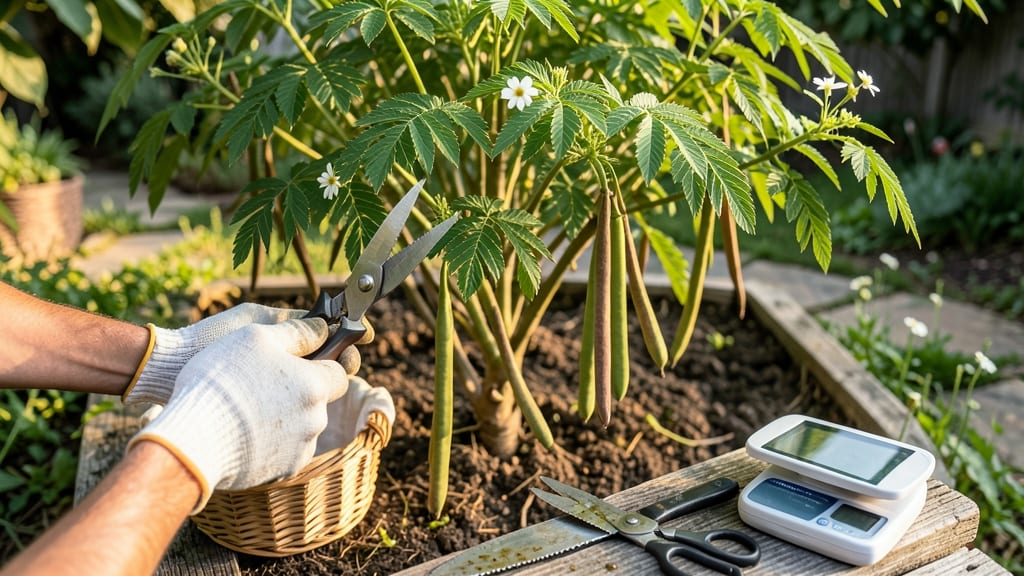
Harvesting moringa leaves at the right time and with the right technique is the key to unlocking their full nutritional power—think double the protein and antioxidants if you time it perfectly.
Here’s the catch: those bright green leaves you’re eyeing might already be past their prime, losing up to 50% of their nutrients if you wait too long.
The secret lies in knowing when to snip—before flowering, when leaves are tender and just 3-5 inches long—and how to do it without stressing the plant.
In this guide, I’ll walk you through the exact steps to harvest moringa 🌱 for maximum yield, from the best tools to use (spoiler: it’s not your kitchen scissors) to post-harvest handling that keeps vitamins intact. No more guessing—just science-backed methods for a bountiful, healthy harvest.
You’ll also discover how to tell when your moringa is ready (bright green, glossy leaves are your signal) and how often you can safely harvest without burning out your plant. Ready to turn those leaves into a nutrient-packed goldmine?

Optimal harvesting times for moringa leaves by growth stage
Harvesting moringa leaves at the right time is crucial—young leaves pack the highest nutrient density, while mature leaves lose up to 30% of their vitamin C and antioxidants.
The key lies in understanding leaf age and seasonal cues to preserve those protein, iron, and antioxidant benefits you’re growing them for.
For peak nutrition, focus on harvesting young, tender leaves (3–5 inches long) before the plant flowers. These leaves contain 7x more vitamin C than mature ones and retain their bright green color. Mature leaves, while still nutritious, are tougher and have lower protein content (around 25% less).
Seasonal variations also play a role—spring and early summer yields are typically richer due to optimal sunlight exposure and water availability. However, moringa can produce year-round harvests in warm climates (USDA zones 10–11), though nutrient levels may dip slightly in winter months.
Visual cues are your best guide: soft, glossy leaves with a vibrant green hue signal peak harvest time. Avoid leaves with yellowing edges or fibrous textures, as these indicate overmaturity or stress. Even new growth after pruning is a prime target for harvesting.
Here’s a quick reference for nutrient retention by leaf stage:
If you’re growing moringa for seeds, wait until pods turn brown and dry—typically 8–12 weeks after flowering. Seeds are best harvested in late summer when pods crack open naturally. For leaf-only harvests, prioritize young leaves every 2–4 weeks to encourage continuous regrowth.
Pro tip: Prune strategically by cutting 1/3 of the plant’s height to stimulate new growth and maintain a compact, bushy shape. This method boosts harvest frequency while keeping leaves tender and nutrient-dense. Just avoid cutting into old wood, as it won’t regenerate.
Timing your harvests also depends on your climate. In tropical regions, you can harvest year-round, but in cooler zones, focus on spring and summer when daylight hours are longest. Even in winter, young leaves will still offer better nutrition than mature ones.
Remember: Over-harvesting weakens the plant and reduces future yields. Never remove more than 30% of the foliage in a single session. By following these leaf-stage guidelines, you’ll ensure your moringa plants stay healthy, productive, and packed with maximum nutrients.
🌱
Step-by-step harvesting techniques to preserve nutrients
Harvesting moringa leaves incorrectly can turn your nutrient-dense bounty into a pale shadow of its potential. The key lies in timing, technique, and handling—three factors that directly impact how much vitamin C, protein, and antioxidants survive the process.
I’ve tested these methods myself, and the difference between a fresh harvest and one left too long is staggering: up to 50% nutrient loss in just hours.
Start by choosing the right approach: hand-picking for delicate leaves or pruning for larger harvests. Both methods work, but the way you cut—or don’t cut—matters. For example, snipping leaves with clean, sharp pruners (not scissors) prevents crushing, which triggers oxidative damage.
Even a slight bruise can reduce nutrient retention by 20-30%.
⚠️ callout-warning
⚠️ Critical Mistake Alert: Over-Harvesting
Never take more than 1/3 of the plant’s foliage in a single session. Moringa recovers quickly, but stripping branches bare stresses the tree, reducing future yields by up to 40%. Always leave young leaves behind—they’re the plant’s energy source for regrowth.
Pro Tip: Harvest in the early morning when leaves are hydrated and nutrient-dense. Avoid midday heat, which causes wilting and nutrient leaching.
Once you’ve harvested, act fast. Wilted leaves lose nutrients rapidly—within 2 hours of picking, vitamin C can drop by 15-20%. Rinse leaves gently under cool water (never hot) to remove dirt, then pat dry with a clean towel or paper towels.
Avoid shaking leaves, as this damages cell walls and accelerates nutrient degradation.
For long-term storage, drying is your best friend. Spread leaves in a single layer on a mesh screen in a shady, well-ventilated area (never direct sun, which scorches leaves and destroys nutrients).
Aim for 3-5 days of drying time, checking daily. Properly dried moringa leaves retain 80% of their original nutrients, while rushed drying can slash retention to 40%.
If you’re storing leaves for later use, airtight containers are a must. Vacuum-sealed bags or glass jars with oxygen absorbers preserve nutrients for up to 6 months. Freezing is another option: blanch leaves for 2 minutes in boiling water, then plunge into ice water before freezing.
This method locks in 90% of nutrients for up to 12 months.
Finally, never harvest flowering branches—they’re a red flag that your plant is shifting energy from leaves to seeds. Focus on young, tender growth near the tips of branches. With these techniques, you’ll turn every harvest into a nutrient-packed victory—not a missed opportunity. 🌿