
Picking
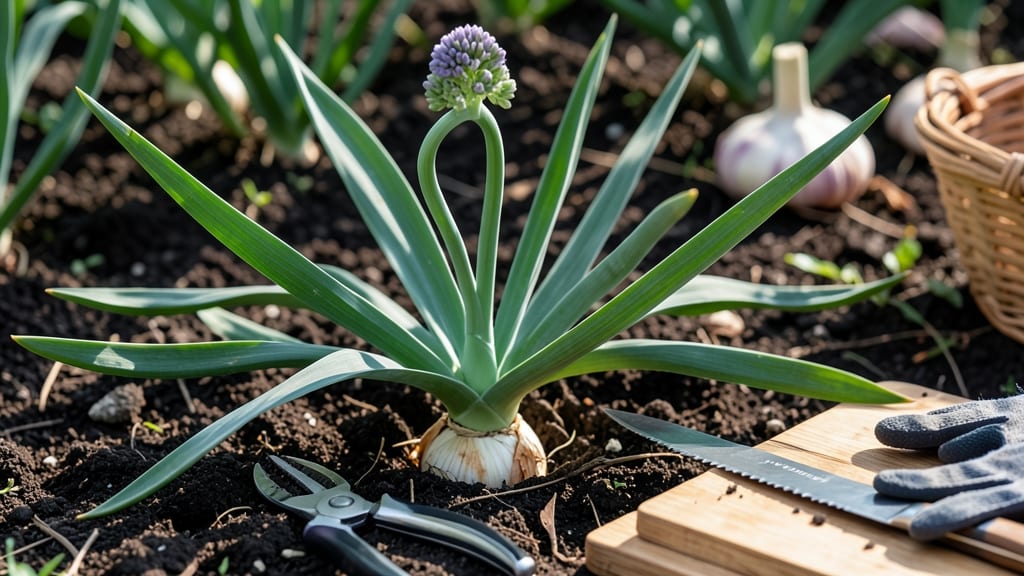
Harvesting garlic scapes at the right time ensures you get the most flavorful stems without sacrificing your garlic bulbs 🧄 — and missing these visual cues could mean losing both.
If you’ve ever watched your garlic scapes twist into tight curls only to bolt and ruin your harvest, timing is everything. The difference between a perfect harvest and a wasted crop often comes down to recognizing the subtle signals your plants send.
In USDA Zone 6a, scapes typically form between June and July, but the exact moment depends on their shape, stem firmness, and leaf health. A scape ready for picking will curl into a compact loop, signaling it’s time to cut before the plant diverts energy to flowering.
Below, I’ll walk you through the four key signs to watch for, how to harvest them properly, and what to do with your scapes once they’re picked—so you can enjoy their bold flavor without compromising your garlic bulbs.

When to harvest garlic scapes: 4 visual cues to watch before bolting
Harvesting garlic scapes at the right time transforms a simple garden task into a flavorful victory. These curly stems—often overlooked—are packed with garlic flavor and nutrients, but waiting too long means your plant will bolt, sending energy to seeds instead of bulbs.
The key? Mastering these 4 visual cues that signal peak harvest time. I’ve learned the hard way that missing these signs can mean sacrificing both scapes and your garlic crop.
First, understand why timing matters. Garlic scapes grow rapidly in spring, curling into tight loops as they prepare to flower. If you let them bolt, the plant shifts focus from bulb development to seed production, reducing bulb size and flavor.
But with these cues, you’ll know exactly when to act—before the plant wastes its energy on flowers. Let’s break down what to watch for in your garden.
-
1. Tight Curl Formation
Look for a 1-2 inch compact curl. Early curls are loose, but the perfect scape forms a perfect loop—like a question mark. This signals peak flavor and nutrient concentration. -
2. Stem Length (10-12 inches)
Scapes should reach 10-12 inches long before curling. Longer scapes may bolt sooner, while shorter ones aren’t fully mature. Measure from the base to the curl tip for accuracy. -
3. Healthy Green Leaves
Vibrant green leaves mean the plant is still focusing on bulb growth. Yellowing or wilting leaves indicate stress or impending bolting—time to harvest before the plant declines. -
4. Flower Bud Swelling
Check the top of the scape for tiny buds. If buds are visible or starting to open, the scape is overripe. Harvest before buds appear to preserve bulb quality.
Let’s start with the most obvious sign: the curl shape. When scapes first emerge, they grow straight like blades of grass. But as they mature, they begin to curl upward, eventually forming a tight loop.
This isn’t just a cosmetic change—it’s a biological signal that the scape is ready. I recommend harvesting when the curl measures 1-2 inches in diameter. At this stage, the scape is packed with maximum flavor and nutrients.
Next, pay attention to the stem length. Ideal scapes should be 10-12 inches long from the base to the curl. This length ensures the scape has fully matured without bolting. If your scapes are shorter, they’re not ready yet.
If they’re longer, they may already be past their prime. Use a ruler or your hand (a typical adult’s hand spans about 3 inches) to gauge length quickly while you’re in the garden.
Healthy leaf color is another critical indicator. The leaves should remain a vibrant green when it’s time to harvest. If you notice yellowing or browning at the tips, this is a red flag.
It means the plant is stressed or shifting energy toward flowering. Harvest immediately to avoid bolting. I’ve found that consistent watering and morning sunlight help keep leaves lush and green throughout the season.
Finally, keep an eye on the flower buds at the top of the scape. If you see tiny buds forming or the scape begins to open into a flower, it’s too late. The plant has already started the bolting process, and your garlic bulbs will suffer.
The goal is to harvest before these buds appear. This ensures the plant continues to focus on bulb development, giving you larger, more flavorful cloves later in the season.
To test readiness, gently pinch the scape near the curl. If it feels firm but flexible, it’s ready. If it’s woody or brittle, it’s overripe. If it’s still soft, it needs more time. This simple touch test saves me from harvesting too early or too late.
Pro tip: Harvest on a dry morning after the dew has evaporated. This reduces the risk of disease and makes the scape easier to handle.
Once you’ve confirmed all four cues, it’s time to harvest. Use a clean, sharp pair of pruners or a knife to cut the scape about 1-2 inches above the bulb. This encourages the plant to redirect energy back to bulb growth.
After harvesting, store scapes in a cool, dry place for up to 2 weeks or use them immediately in recipes. The sooner you use them, the more flavorful they’ll be.
Missing these cues can have serious consequences. If scapes bolt, your garlic bulbs may stop growing or produce smaller, less flavorful cloves. But by watching for these four signs—curl shape, stem length, leaf health, and flower buds—you’ll ensure a successful harvest every time.
Now grab your pruners and head to the garden—your garlic is waiting!
Garlic scapes harvest time: best practices for cutting and storing for maximum flavor
Once your garlic scapes form those signature tight curls, you’re just days away from harvest—but how you cut and store them makes all the difference. A sharp cutting technique preserves flavor, while proper post-harvest care extends shelf life. Skipping these steps means losing the onion-like sweetness scapes are famous for.
Start by harvesting on a dry morning after the dew has evaporated. This reduces moisture exposure, which can lead to mold growth during storage. Use clean pruners or a sharp knife—never tear the scape, as this damages the plant and invites pests.
Aim to cut just above the 4th leaf from the base to encourage bulb growth.
⚠️ callout-tip ⚠️
After cutting, hang scapes upside-down in a dark, well-ventilated space like a pantry or garage. Bundle them with rubber bands or twine, leaving 1-2 inches between each to prevent touching. This method mimics traditional garlic braiding and takes about 2-3 weeks to fully dry.
For long-term storage, trim the dried scapes into 1-inch pieces and store them in an airtight container with a silica gel packet to absorb excess moisture. Label the container with the harvest date—properly stored scapes retain flavor for up to 6 months.
Freezing is another option: chop scapes and store in ziplock bags for up to 1 year.
Don’t toss those leftover scapes! Use them in pesto, stir-fries, or infused oils for a mild garlic-onion flavor. Blend them with nuts, cheese, and olive oil for a quick pesto, or sauté them whole for 30 seconds to soften before adding to dishes.
Their mild, sweet taste makes them a versatile kitchen staple.
If you’re worried about bolting or reduced bulb size, rest easy: harvesting scapes encourages larger bulbs by redirecting energy. Just avoid cutting too late in the season—stop by early July to leave enough time for bulbs to mature before winter.
With these tips, you’ll enjoy flavorful scapes and plump garlic bulbs all season long. 🌱