
Propagation
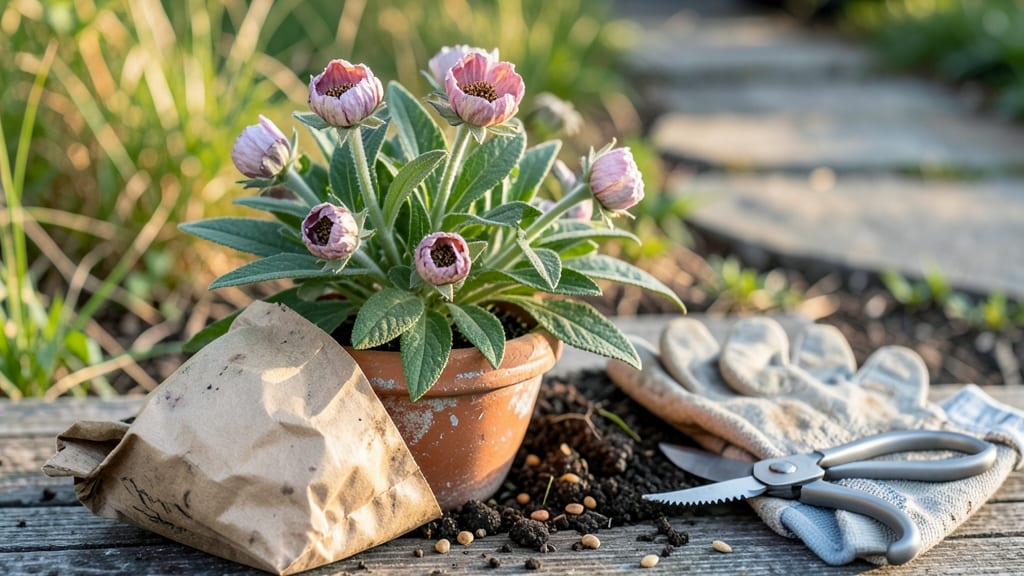
Harvesting gomphrena seeds 🌸 at the right time ensures you’ll have vibrant blooms ready for next year’s garden.
Picture this: you’ve spent months nurturing your gomphrena, watching those cheerful flower heads pop up like confetti. But if you miss the window, those seeds scatter before you can collect them—leaving you with nothing but empty stems.
Timing is everything, and knowing when those flower heads turn from bright pink or purple to dry and papery is the key to success.
In this guide, I’ll walk you through the exact moment to harvest, how to collect seeds without losing a single one, and storage tricks to keep them viable for years.
Whether you’re a seasoned gardener or just starting out, these simple steps will help you save seeds like a pro—so you can enjoy gomphrena’s drought-resistant beauty season after season.

When to harvest gomphrena seeds for maximum viability and germination
Timing is everything when harvesting gomphrena seeds, especially if you want seeds that germinate reliably for next year’s garden. These drought-loving annuals follow a predictable cycle, but missing the optimal window means losing your chance to save seeds before they scatter naturally.
The key is watching for flower color changes and seed pod maturity, which signal it’s time to act.
Gomphrena blooms start as vibrant pinks, purples, or whites, but the real harvest cues appear when the flowers fade. Pay close attention to the flower heads turning brown and the seed pods drying out.
This transformation usually happens 2-3 weeks after blooming, but environmental factors like temperature and drought stress can speed up or delay the process.
Here’s the critical moment: When the flower heads are completely brown, crispy, and the seeds inside rattle when you gently shake the stem. At this stage, the seed pods are ready to release their contents naturally—so act fast! Waiting too long risks losing seeds to wind or rain, while harvesting too early means collecting underdeveloped seeds with poor germination rates.
| Stage | Visual Cues | Action | Best Time |
|---|---|---|---|
| Early Bloom | Bright pink/purple/white flowers | Observe plants daily | 3-4 weeks before harvest |
| Late Bloom | Flowers fading to light brown | Check for seed rattling | 1-2 weeks before harvest |
| Optimal Harvest | Dry, brown, crispy flower heads | Collect seeds immediately | Morning (dry conditions) |
| Post-Harvest | Seeds scattered or pods split | Clean up remaining seeds | Any time |
Your climate zone plays a huge role in harvest timing. In hot, dry regions (like USDA Zones 8-10), gomphrena matures faster due to intense sunlight, so you might harvest as early as late July.
Meanwhile, in cooler climates (Zones 6-7), the process stretches into September as lower temperatures slow drying.
Watch for environmental stress signs like wilting or yellowing leaves, which can signal drought or heat stress. These conditions often accelerate seed maturation, so monitor plants closely during heatwaves.
If your area experiences unpredictable rain, harvest seeds indoors under a tarp or in a dry garage to prevent moisture damage.
Pro tip: Deadhead spent blooms early in the season to encourage more flowers—and thus more seed-producing blooms. But once you see the first signs of drying, stop deadheading entirely. Let those flower heads mature naturally, as they’re the seed factories for your next garden.
Morning is the best time to harvest because dew has evaporated, and seeds are dry. Avoid harvesting after rain, as moisture can cause mold or rot during storage.
If you must harvest wet seeds, spread them on a paper towel-lined tray in a dry, shaded area for 24-48 hours before storing.
Don’t overlook stem brittleness as a final cue. When stems snap easily instead of bending, it’s a sure sign the seeds are ready. Snap off the dried flower heads at the base and place them in a paper bag to catch any seeds that might fall out during transport.
Once you’ve collected your seeds, dry them further indoors for 1-2 weeks in a cool, dark place with good airflow. Proper drying prevents mold and ensures long-term viability, so be patient—rushing this step can ruin your seed stash.
With the right timing, your gomphrena seeds can stay viable for up to 3 years, giving you a head start on next year’s vibrant blooms. Just remember: watch, wait, and act quickly when those flower heads turn brown and crispy! 🌾
Step-by-step guide to collecting and storing gomphrena seeds properly
Once you’ve identified the perfect gomphrena flowers ready for seed collection, the next critical step is proper handling to ensure seed viability. Skipping this can lead to moldy seeds or poor germination rates next season.
I’ve learned through trial and error that even the best-intentioned gardeners can make costly mistakes—like harvesting too early or storing seeds in damp conditions. Let’s break down the exact steps to preserve those seeds for up to 3 years.
Start by gathering your supplies: paper bags, a clean tray, and a small fan or well-ventilated space. The goal is to dry the seeds completely before storage. If you rush this step, even slightly damp seeds can develop mold within days.
I always recommend working on a dry, sunny day when humidity is low for the best results.
How to Harvest and Store Gomphrena Seeds
- 1 Cut the flower heads when they’re fully brown and dry. Use clean pruning shears to avoid crushing the seed pods. Place them in a paper bag immediately to prevent seeds from scattering.
- 2 Spread seeds on a tray in a single layer. Place the tray in a well-ventilated area with indirect sunlight for 1-2 weeks. A small fan on low speed helps speed up drying without damaging the seeds.
- 3 Extract seeds gently once completely dry. Rub the dried flower heads between your fingers or use a fine mesh sieve to separate seeds from chaff. Discard any debris or damaged seeds.
- 4 Store seeds in airtight containers like glass jars or envelope pouches with silica gel packets to absorb moisture. Label each container with the harvest date and variety name.
- 5 Keep seeds in a cool, dark place like a pantry or refrigerator where temperatures stay between 35-45°F. Avoid basements or garages with humidity fluctuations, as this can cause mold.
Avoid these common mistakes that can ruin your seeds: harvesting when flower heads are still green or partially colored, storing seeds in plastic bags (which trap moisture), or placing containers in direct sunlight.
I once stored gomphrena seeds in a plastic bag, and within a week, mold had ruined the entire batch. Always double-check your storage conditions!
For long-term viability, test a few seeds annually using the paper towel method to ensure they’re still viable. If germination drops below 70%, it’s time to harvest fresh seeds. Properly stored gomphrena seeds can last up to 3 years, giving you a reliable supply for future gardens.
With these steps, you’ll have a trouble-free seed collection process that guarantees vibrant gomphrena blooms year after year. Happy harvesting! 🌾✂️🌸