
Vegetables
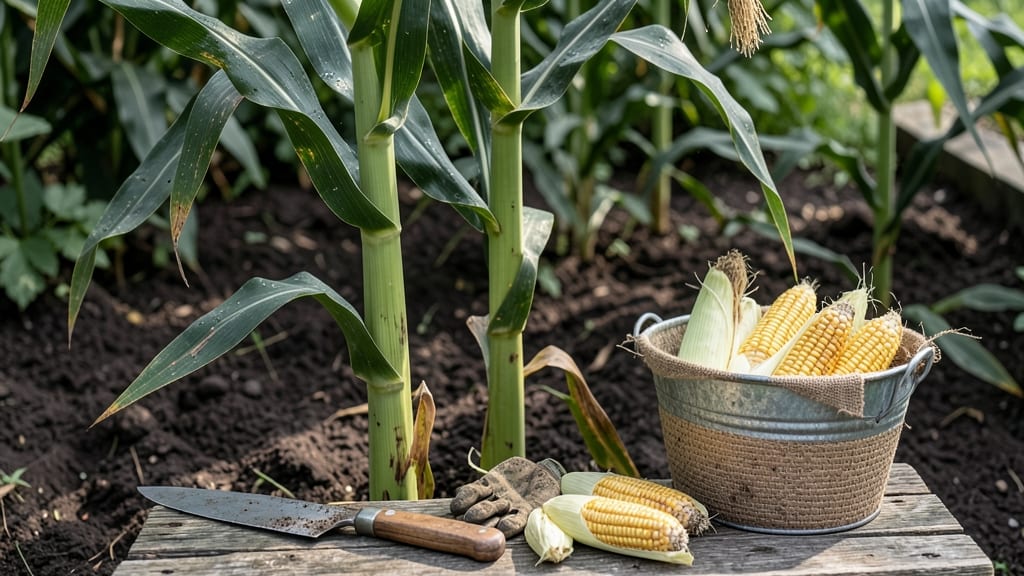
Corn harvest season runs from July through September in most of the U.S., but timing it right means the difference between juicy, sweet kernels and tough, starchy ears.
Picture this: you’ve been waiting months for those golden ears to ripen, only to pull one off the stalk and find it still hard and pale. That’s why knowing the exact moment—when tassels dry and silks turn brown—is the key to a perfect harvest.
In Zone 6, where most home gardeners grow corn, the harvest window typically opens in mid-July for early varieties and stretches into September for late ones. But don’t just guess—learn the visual cues and regional tweaks that ensure you never miss the sweet spot.
Below, I’ll walk you through how to spot the perfect ear, avoid common mistakes, and even store your harvest so it stays fresh for weeks. No more wasted crops or bland corn on the cob!

How to identify the perfect harvest time for corn based on tassels and silks
Harvesting corn at the right moment ensures the sweetest, most tender kernels possible. The key lies in observing two critical visual cues: the tassels at the top of the plant and the silks that emerge from the ear.
These indicators work together to signal when your corn is ready to pick, typically 20-25 days after pollination. Ignoring these signs often leads to either underripe, watery ears or overripe, starchy ones that lack flavor.
First, let’s clarify what to look for: dried tassels (the pollen-producing flower clusters) and brown silks (the fine threads that once carried pollen). When both are fully brown and crispy, your corn is nearing peak harvest time.
However, regional climate variations—like shorter growing seasons in Zone 5 versus longer ones in Zone 8—can shift this timeline by 1-2 weeks. Always account for your local frost dates to avoid losing your crop to early cold snaps.
| Harvest Stage | Visual Cues | Days After Pollination | Regional Adjustments |
|---|---|---|---|
| Early Maturity | Silks turn light brown; kernels still watery | 18-20 days | Zone 5: Harvest 1-2 weeks earlier |
| Peak Sweetness | Silks fully brown; kernels milky when pierced | 20-25 days | Zone 8: Harvest 1-2 weeks later |
| Late Maturity | Silks dry and brittle; kernels starchy | 26+ days | All zones: Risk of frost damage |
| Weather Impact | Drought delays silk browning; heavy rain speeds up drying | Adjust ±3-5 days | Southern Hemisphere: Reverse season timing |
To test kernel readiness, gently pierce a kernel with your fingernail. If the liquid inside is milky white, it’s perfect for eating fresh. If it’s clear or yellowish, the corn is overripe and will taste starchy.
This simple test saves you from guessing and ensures you’re harvesting at the sweetest possible moment. For varieties like 'Silver Queen' or 'Ambrosia', this method works especially well because they’re bred for peak sweetness at this stage.
Don’t overlook the earfeaths (the husk leaves) either. When they dry out and turn brown and crispy, it’s another clear sign your corn is ready. However, if you notice uneven silk browning across ears, it could indicate uneven pollination—often caused by hot, dry weather or pest interference.
In such cases, harvest the most mature ears first and monitor the rest closely for signs of spoilage, like mold or weevil damage.
Regional differences play a huge role in harvest timing. In cooler climates like the Pacific Northwest or New England, corn may mature 2-3 weeks earlier than in warmer regions like the Southeast or Southwest.
For example, 'Early Sunglow', a popular short-season variety, can be harvested in Zone 4 as early as mid-July, while 'Peaches and Cream' in Zone 9 might not reach peak sweetness until late September.
Always check your seed packet for days to maturity and adjust your harvest window accordingly.
Weather conditions can also throw off your harvest timeline. Hot, dry spells accelerate silk drying, potentially shrinking your harvest window to just 3-5 days at peak sweetness. Conversely, cool, cloudy weather slows the process, giving you a longer window but risking ear rot if silks stay moist too long.
If you’re in a humid climate, like the Gulf Coast, be extra vigilant for fungal diseases like corn smut or gray leaf spot, which can ruin your crop before harvest.
For sweet corn varieties, like 'Bodacious' or 'Peaches and Cream', timing is even more critical because their sweetness fades quickly after harvest. These types are best eaten within 24 hours of picking, so plan to harvest them in the morning and enjoy them fresh or freeze them immediately.
If you’re growing dent corn (like 'Ambrosia'), which stores longer, you have a slightly wider window—up to 5-7 days—but still aim to harvest when silks are fully brown for the best texture and flavor.
Pro tip: Keep a harvest journal to track when your corn reaches peak sweetness each year. Note the date of pollination (when silks first appear) and the final harvest date.
Over time, you’ll develop a keen eye for your specific corn variety and microclimate, making future harvests even more precise. This practice also helps you adjust planting times to avoid early frost or
Common mistakes that ruin corn harvest timing (and how to avoid them)
Harvesting corn at the wrong time can turn your sweet, juicy kernels into tough, starchy disappointments. Many gardeners miss the optimal window because they overlook subtle visual cues or ignore environmental factors that speed up spoilage.
Even experienced growers sometimes harvest too early or too late, leading to wasted effort and frustration.
One of the biggest mistakes is relying solely on calendar dates rather than checking the plant itself. Different corn varieties mature at different rates, and weather conditions can shift timelines by weeks. For example, a sudden heatwave might accelerate silk drying, while cool, wet weather can delay it.
Without paying attention to these signs, you risk picking corn that’s either underdeveloped or past its prime.
Another critical error is ignoring uneven silk drying across your corn patch. If some plants have brown, brittle silks while others still look green and moist, they’re not ready to harvest together.
This inconsistency often happens due to poor pollination or uneven watering, and harvesting all ears at once can lead to a mix of sweet and starchy results.
Premature harvest (green silks) = underdeveloped kernels; overripe harvest (blackened silks) = starchy, dry ears. Check kernels with your fingernail: if they ooze milky liquid, they’re perfect. If they’re clear or empty, they’ve passed their prime.
Pest damage is another silent harbinger of ruined harvest timing. Corn earworms or raccoons can chew through silks or kernels, making ears inedible before they even ripen.
If you notice irregular holes in husks or silks, inspect those ears closely—some may need to be discarded, while others might still be salvageable if the damage is minor. Regular monitoring can help you catch issues early and adjust your harvest plan accordingly.
Environmental stress, like drought or extreme heat, can also throw off your corn’s natural timeline. Drought-stressed plants may dry out prematurely, while sudden heatwaves can cause silks to brown too quickly.
Always keep an eye on your plants’ overall health—wilting leaves, yellowing husks, or stunted growth can signal that your corn isn’t developing as it should, and you may need to adjust your harvest expectations.
Finally, don’t assume that because one ear looks ready, the whole plant is. Test multiple ears from different parts of the stalk to ensure consistency. If you’re unsure, harvest a few test ears and taste them—this simple step can save you from a disappointing batch.
Remember, corn’s sweetness peaks right at harvest, so timing is everything.
By avoiding these common mistakes and staying attentive to your plants’ signals, you’ll maximize your harvest’s sweetness and quality. Pay attention to the details, and your corn will reward you with the perfect ears every time.