
Picking
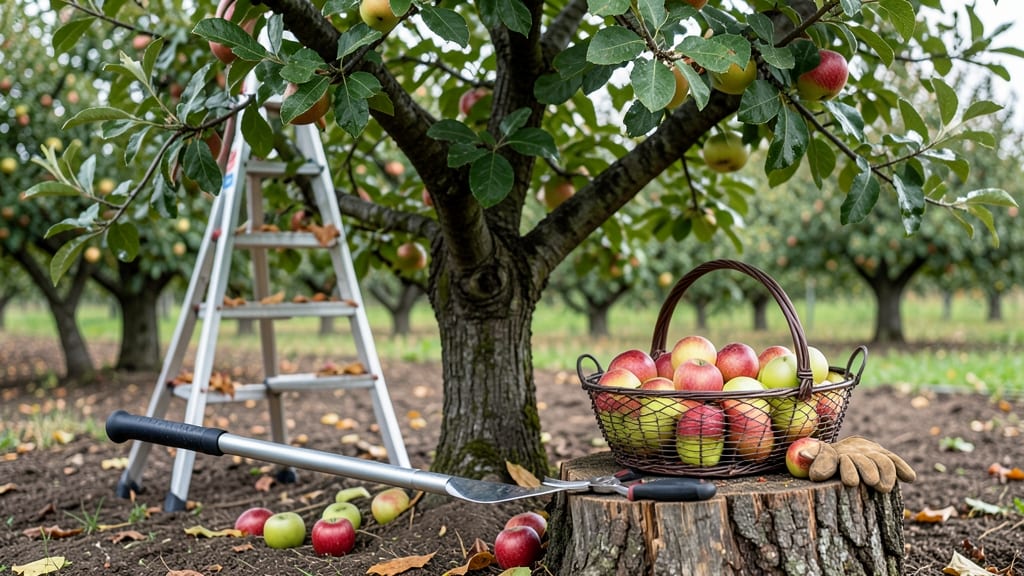
Timing the harvest of apples is everything—picking them too early means tart, underripe fruit, while waiting too long risks frost damage or mealy texture.
You’ve spent months nurturing your 🍎 trees, and now the moment of truth arrives: when to pluck those glossy orbs for peak flavor. Miss the window, and you’re left with bland, seedy disappointments—or worse, a crop ruined by an early frost.
Climate plays the biggest role in your harvest timing. In cooler zones like 6a, apples often ripen in late summer, while warmer regions can stretch into early fall. But it’s not just about the calendar—temperature swings, rainfall, and even nighttime chills can shift your perfect week by days.
In this guide, I’ll show you how to predict your apple’s prime harvest window using three simple climate tricks, plus the visual cues (like color and stem separation) that guarantee juicy, sweet fruit every time.

How to determine the exact apple harvest time using climate tricks
Timing your apple harvest isn't just about waiting for the fruit to change color—it's a science-backed dance with your local climate. Temperature shifts, frost warnings, and even rainfall patterns all conspire to create that perfect 2-3 week window when your apples hit peak flavor.
Miss it, and you risk mealy texture or lost fruit to early frost. Master these climate clues, and you'll harvest apples that taste like summer in every bite.
Most gardeners focus on visual cues like skin color and stem separation, but the real secret lies in understanding how your regional climate patterns interact with your specific apple variety.
For example, Fuji apples in Zone 7 may need 10-14 more days on the tree than McIntosh apples in the same area because of their different chilling requirements. By tracking nighttime temperature drops and daytime heat accumulation, you can predict that sweet spot with near-perfect accuracy.
Climate-based harvest timing isn't just guesswork—it's about reading nature's calendar. Start by noting when your last spring frost occurred (typically April 15 in Zone 6a) and count forward based on your variety's days to maturity. Then layer in heat unit tracking: most apples need 800-1,200 growing degree days (a measure of heat accumulation) to reach peak ripeness. When your local weather station hits that threshold, you're likely within 2 weeks of harvest time.
| Climate Factor | Optimal Condition | Harvest Window Indicator | Actionable Tip |
|---|---|---|---|
| Nighttime Temperatures | Consistent 50-60°F | 3-5 nights below 60°F | Check apples every 3 days after temps drop |
| Daytime Heat | 75-85°F for 2+ weeks | Skin color stabilizes | Use a fruit thermometer—ideal temp: 60-65°F |
| Frost Risk | No frost forecast for 10 days | Stem separation test passes | Harvest early varieties first to avoid frost |
| Rainfall | Dry spell for 5+ days | Shiny skin (wax layer develops) | Avoid harvesting after heavy rain—wait 24 hours |
| Humidity | 40-60% range | No mold on fruit surface | High humidity? Harvest morning fruit first |
One of my favorite climate tricks is the "3-night rule" for nighttime temperatures. When your local forecast shows 3 consecutive nights below 60°F, that's your cue to start daily harvest checks. This temperature drop triggers the final starch-to-sugar conversion in the apples, making them sweeter and more flavorful.
Pair this with a fruit thermometer—apples should read between 60-65°F at their core for peak ripeness.
Don't overlook regional frost patterns, either. In Zone 5, early varieties like Honeycrisp often need harvesting by late August to avoid frost, while Zone 9 gardeners can sometimes wait until October. Check your local USDA frost dates and count backward from your variety's days to maturity.
For example, if your Gala apples take 150 days to ripen and your last frost is April 15, they'll likely be ready around September 10—give or take a week based on weather.
Another pro tip: use a harvest calendar that accounts for heat unit accumulation. Most apple varieties need between 800-1,200 growing degree days (calculated as the average daily temperature minus 50°F, summed over the growing season).
When your local weather station hits that threshold, you're typically within 2 weeks of harvest. For example, Granny Smith apples often need the higher end of that range (1,100+ degree days) because they develop their signature
3 Key climate factors that ruin (or perfect) your apple harvest timing
Understanding your local climate isn't just about knowing when apples turn red—it's about predicting how temperature swings, rainfall patterns, and humidity levels will transform your fruit from tart to sweet.
I've learned the hard way that ignoring these factors can turn a promising harvest into a mealy disappointment. The right climate conditions don't just ripen apples—they concentrate sugars and develop texture that makes every bite worth the wait.
Let me share what I've discovered about how these three climate variables interact with your apple trees. Each plays a crucial role in determining when your fruit reaches its peak flavor profile.
For example, nighttime temperature drops below 50°F (10°C) can actually boost sugar production in many varieties, while excessive humidity levels above 75% often lead to bitter flavors and increased disease risk. These aren't just theoretical concerns—they're practical tools you can use to predict your perfect harvest window.
Climate Warning: These Conditions Will Ruin Your Harvest
Avoid harvesting when:
- Nighttime temps drop below 40°F (4°C)—this causes chilling injury and bitter flavors
- Humidity stays above 80% for 3+ days—leading to fungal diseases and soft fruit
- Rainfall exceeds 1 inch in 24 hours before harvest—causing waterlogged fruit and poor storage life
Pro Tip: Check your local 5-day forecast for stable conditions before picking. Morning harvests in dry weather preserve flavor best.
First on my list of critical climate factors is nighttime temperature drops. This is where many gardeners make their biggest mistake. While warm days help apples grow, it's those cool nights that trigger the biochemical processes converting starches to sugars.
For varieties like Fuji or Gala, you'll want nighttime temps between 50-60°F (10-15°C) for about 10-14 days before harvest. I track this using a minimum-maximum thermometer placed near my trees—it's become my most reliable predictor of harvest timing.
Next comes rainfall patterns, which most people overlook until it's too late. Too much rain before harvest dilutes sugar content and increases the risk of apple scab, while too little can concentrate flavors to an unpleasant level.
The ideal scenario is moderate rainfall (about 1-1.5 inches per week) during the 4 weeks before harvest. I've found that varieties like Honeycrisp actually benefit from slightly drier conditions in their final growth stage, while Granny Smith apples tolerate more moisture.
Always check your soil moisture—if it's soggy, delay harvesting by a week.
The third critical factor is humidity levels, which directly affect both flavor and storage potential. High humidity during ripening can lead to bitter-tasting apples and makes them more susceptible to rot during storage.
I monitor humidity using a hygrometer and aim to keep levels between 50-65% in the final 2 weeks before harvest. If humidity climbs above 70%, I'll often harvest a few days early and let the apples finish ripening indoors.
This simple adjustment has dramatically improved both the flavor and shelf life of my harvest.
Here's my pro tip: Combine these three factors with the stem test. Gently twist an apple—if it separates cleanly from the stem with just a slight pull, it's ready.
But if the climate conditions are off (like the warning above), wait another 3-5 days to let nature correct the imbalance. Remember, the best apples develop their perfect balance of sugar, acidity, and texture when all three climate factors align just right.