
Propagation
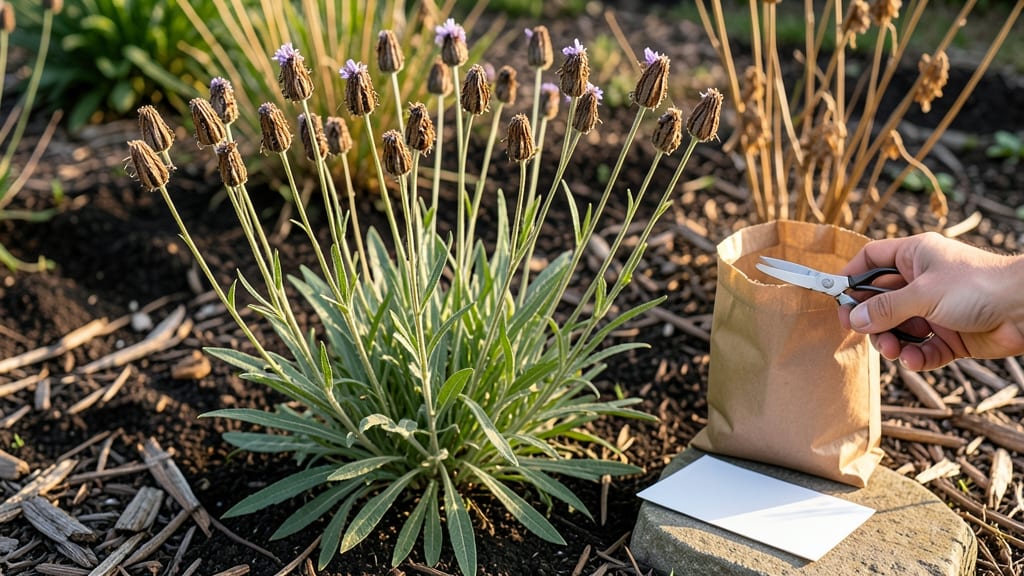
Harvesting verbena seeds from brown stems is your chance to save money and grow vibrant blooms next year—if you time it right.
Seeing those stems turn brown isn’t just a sign of decline; it’s your plant’s way of signaling that the seeds inside are ready for collection. Miss the window, and you risk losing viability before you even get them indoors.
Verbena, whether annual varieties like Glandularia or hardy perennials, thrives when you know the exact moment to act. A few simple steps—like drying the pods and storing them properly—can mean the difference between a thriving garden and wasted effort.
Below, I’ll walk you through the best time to harvest, the tools you’ll need, and how to ensure those seeds stay fresh until planting season rolls around again.

When to harvest verbena seeds: identifying brown stems for germination
When your verbena plants start showing brown stems, it’s easy to assume they’re dying—but this could actually be a seed-ready signal. Many gardeners miss this crucial window, leading to wasted seeds or poor germination.
Understanding the visual cues of mature verbena stems helps you harvest seeds at their peak viability.
Verbena seeds develop inside dried seed pods that form after flowering. The browning process begins when the plant shifts energy from blooms to seed production. If you wait too long, the pods may crack open naturally, scattering seeds before you can collect them.
Timing your harvest ensures you capture the highest germination rates for next season.
Not all brown stems indicate seed readiness—some varieties like Glandularia (a common verbena type) develop woody brown stems as they mature. Look for stems that are dry to the touch but still intact, with small papery seed pods forming along their length.
These pods will eventually turn tan or light brown when fully mature.
Key visual cues to watch for include:
- Brown stems that are crispy but not brittle
- Seed pods that are dry and papery
- Fewer green leaves as the plant focuses on seed production
- Light brown discoloration on flower clusters
| Stage | Visual Cues | Action | Timing |
|---|---|---|---|
| Early Bloom | Bright flowers, green stems | Monitor plant health | June-July |
| Seed Pod Formation | Small green pods appear | Wait for pods to dry | Late July-August |
| Brown Stem Stage | Stems turn brown, pods tan | Harvest seeds immediately | August-September |
| Overripe Stage | Pods crack open, seeds scatter | Collect remaining seeds | Late September |
The brown stem stage is your golden window for harvesting verbena seeds. At this point, the stems become dry and papery, while the seed pods turn from green to tan or light brown.
If you wait until the pods split open, you risk losing seeds to wind or wildlife. For Glandularia varieties, this stage typically occurs in late August to early September, depending on your climate.
One common mistake is confusing disease-related browning with seed-ready stems. If the brown stems are soft or mushy and accompanied by yellow leaves, your plant may be suffering from powdery mildew or root rot.
Healthy seed-ready stems should feel crispy but firm, not squishy. Always check for pest damage or fungal spots before assuming it’s time to harvest.
Different verbena varieties mature at slightly different rates. Annual verbena like Verbena bonariensis may reach the brown stem stage faster, while perennial types like Verbena officinalis (common vervain) take longer.
Pay attention to your specific variety’s growth cycle—some gardeners keep a plant journal to track these patterns year after year. This helps you predict future harvest times more accurately.
Timing your harvest correctly also affects seed viability. Seeds harvested at the brown stem stage have the highest germination rates, often exceeding 80% if stored properly. Seeds left too long on the plant may lose viability, dropping to 30-50% germination.
For best results, harvest seeds when 50-70% of the pods have turned brown, leaving some to mature naturally on the plant.
Once you’ve identified the seed-ready stage, act quickly. Use clean pruning shears to cut the entire stem, including the seed pods. Avoid pulling stems by hand, as this can damage the plant and reduce next year’s bloom production.
After harvesting, lay the stems in a single layer on a paper towel-lined tray to dry completely before removing the seeds.
Remember that seed viability decreases with time, so don’t delay harvesting once you spot those brown stems. With practice, you’ll develop an eye for the perfect moment—turning what might seem like plant decline into a valuable seed harvest for your garden.
The key is patience and observation, ensuring your verbena’s legacy lives on for seasons to come. 🌸
Step-by-Step guide to harvesting verbena seeds from brown stems
Once your verbena stems turn brown and dry, they’re ready to release seeds for your next garden. The key is to harvest them at the right stage—too early, and seeds won’t mature; too late, and they’ll scatter naturally.
This process ensures high germination rates while preserving the plant’s energy for future blooms.
Gather your tools: sharp pruning shears, paper bags for drying, and a flat surface in a dry, shaded area. Avoid harvesting on rainy days, as moisture can cause mold. Work gently to prevent damaging the plant’s remaining growth, especially if it’s a perennial variety like Glandularia.
Step-by-Step Guide to Harvesting Verbena Seeds
- 🌿 Step 1: Identify Mature Seed Pods
Locate brown, dry stems with seed pods that feel crispy to the touch. These pods will split open if left too long.
- ✂️ Step 2: Cut Stems Carefully
Use sterilized pruning shears to snip 2–3 inch sections of stems, leaving healthy green growth intact. Avoid tearing leaves.
- 📦 Step 3: Dry the Harvest
Hang stems upside-down in paper bags with a rubber band for 1–2 weeks in a warm, dry spot (70°F). Avoid direct sunlight to prevent overheating.
- 🌱 Step 4: Extract Seeds
Gently rub dried pods between your fingers or use a fine mesh sieve to separate seeds from chaff. Store seeds in a paper envelope labeled with the variety and date.
- 📝 Step 5: Store Properly
Keep seeds in a cool, dark place (below 40°F) with low humidity (under 30%). They remain viable for 2–3 years if stored correctly.
Avoid these common mistakes: harvesting seeds too early (they’ll be underdeveloped), storing them in plastic (traps moisture), or skipping the drying process (risks mold). For annual verbena like Lantana, harvest seeds before the plant dies back completely to ensure viability.
Label your seeds immediately with the verbena variety and harvest date. For example, note whether it’s Glandularia (self-cleaning) or Verbena bonariensis (tall, airy blooms). This helps track germination success and plan future plantings.
With these steps, you’ll have a stash of high-quality verbena seeds ready for next spring. Happy harvesting—and watch your garden flourish with homegrown verbena! 🌸