
Vegetables
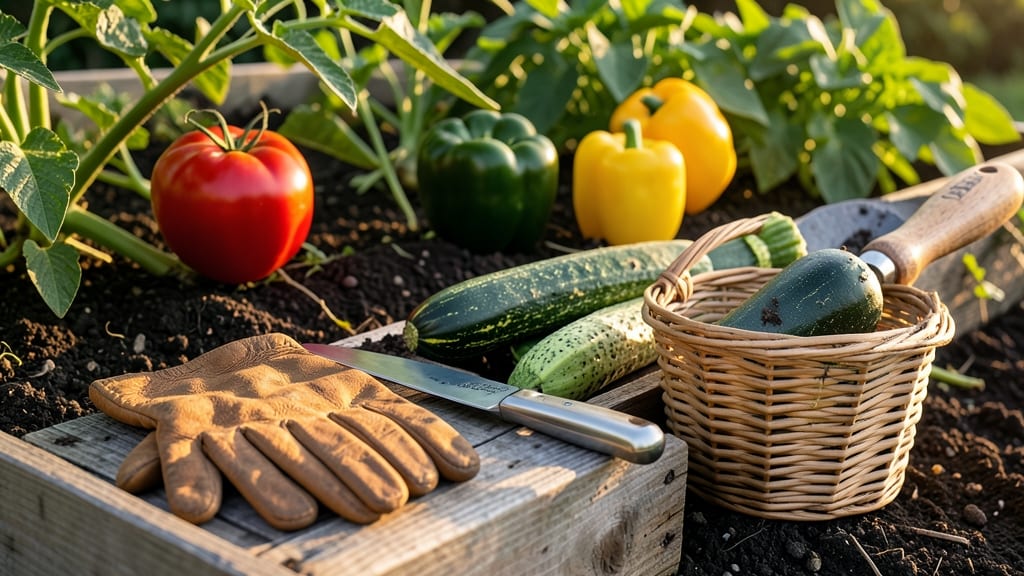
Timing your vegetable harvests correctly ensures you get the most flavor and nutrition from your garden 🌱—knowing when to pick each crop can transform a good harvest into a great one.
Picture this: you’ve spent weeks nurturing your garden, only to pull a carrot that’s woody or a tomato that’s mealy. The difference between a perfect harvest and a disappointing one often comes down to understanding vegetable harvest times and recognizing the subtle cues that signal readiness.
From leafy greens ready in as little as 30 days to root vegetables that need 90 days or more, each crop has its own ideal window.
Whether you’re in a warm climate or a cooler zone, knowing these timelines helps you plan for succession planting, extend your harvest season, and avoid wasted effort.
In this guide, I’ll break down the exact days to maturity for common vegetables, share foolproof ways to tell when they’re truly ripe, and reveal simple tricks to keep your garden producing well into fall—or even winter.
Let’s make sure your hard work pays off with the freshest, most delicious harvest possible.

Vegetable harvest times by crop: days to maturity guide
Timing your vegetable harvests perfectly ensures peak flavor, texture, and nutritional value. Each crop has a specific days-to-maturity window—some like radishes mature in just 20-30 days, while others like winter squash need 90-120 days to reach full potential.
Understanding these timelines helps you plan your garden layout and succession plantings for continuous harvests.
Harvesting at the right time also prevents overripe produce that becomes tough, bitter, or prone to pests. For example, tomatoes left on the vine too long develop mealy flesh, while leafy greens like spinach bolt and turn bitter if harvested too late.
Below is a comprehensive guide to help you track when to harvest your favorite vegetables for the best results.
Pro Tip: Always check your seed packets for exact days-to-harvest information, as varieties can differ even within the same crop family. For instance, bush beans might mature in 50-60 days, while pole beans take 60-70 days. Climate and soil conditions also play a role in adjusting these timelines.