
Vegetables
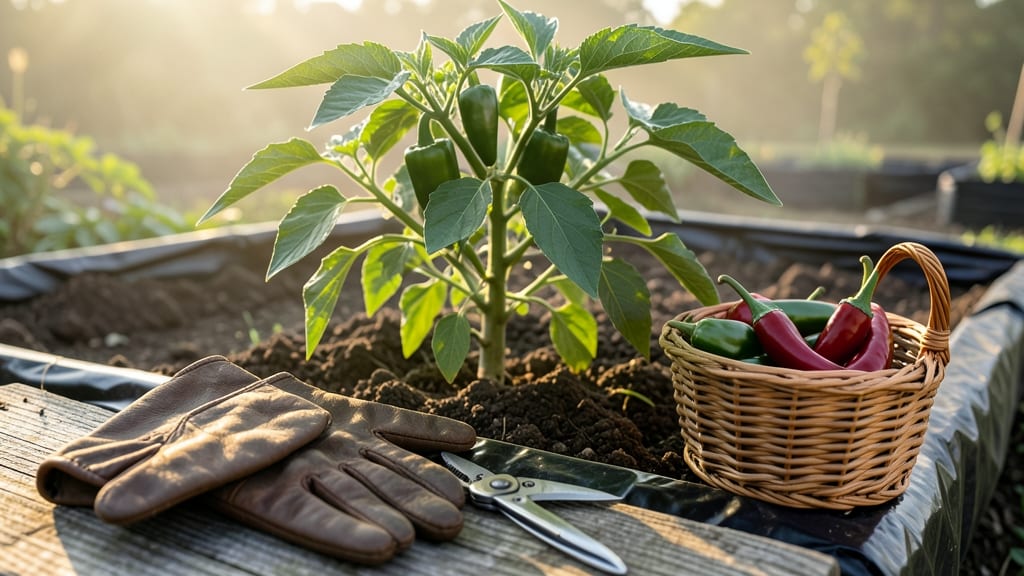
The Hatch chile harvest season in Hatch, New Mexico (Zone 7a), runs from July through October, when these fiery peppers reach their peak flavor and heat.
Picture this: you’ve waited months for your 🌶️ plants to thrive, and now the moment is here—harvesting at the wrong time can mean losing that prized kick or even wasting the entire crop.
Whether you’re growing classic reds or vibrant greens, nailing the timing ensures the best spice, texture, and storage potential.
But how do you know when they’re truly ready? It’s not just about color—firmness, size, and even the way the stem separates from the plant all play a role.
Miss these cues, and you might end up with peppers that are too soft, underripe, or overripe, ruining their flavor and shelf life.
In this guide, I’ll walk you through the exact signs to look for, how climate affects ripening, and the best ways to preserve your harvest so you can enjoy that Hatch chile heat all year long.

Hatch chile harvest season: exact timing by variety & color for peak flavor
Timing your Hatch chile harvest is an art that balances flavor intensity, heat levels, and storage potential. These iconic peppers thrive in New Mexico's Zone 7a climate, but even local gardeners must account for variety-specific maturity and color cues.
Miss the window, and you risk bland green peppers or overly sweet red ones—both far from the fiery, complex flavor Hatch chilies are famous for.
Most Hatch chile varieties reach harvest readiness between 60-90 days after transplanting, but color changes dramatically affect heat and storage life.
Green Hatch chilies (like Big Jim) can be picked early for milder heat, while red varieties (like New Mexico 6-4) develop maximum capsaicin content when fully ripe. Understanding these environmental triggers—like heat waves or cooler nights—helps you predict ripening patterns and adjust your harvest schedule accordingly.
If you're growing Big Jim or Luna varieties, aim to harvest green peppers in early July when they reach 3-4 inches long. These early-season picks offer milder heat but peak crunchy texture, perfect for fresh salsas or grilling.
For maximum capsaicin development, let red varieties like New Mexico 6-4 or Sandia ripen until they turn deep red—typically by late August to September—when their heat levels triple compared to green stages.
Heat waves can accelerate ripening, causing peppers to turn red 2-3 weeks early, while cooler nights (below 60°F) slow color development. Monitor your plants closely in September, as first frost risks (around November 15) loom. If unripe peppers remain on the plant when temperatures drop, harvest them green for immediate use or drying—they’ll still pack flavorful heat, just at lower intensity.
For Chocolate Hatch chilies, patience is key. These dark purple beauties need consistent warmth to develop their signature smoky-sweet flavor. Harvest them in mid-September when fully colored, as they rarely store well once picked.
Their thick walls and low moisture content make them ideal for drying or freezing, but rush the harvest, and you’ll lose that unique depth of flavor.
Pro tip: Use a harvest journal to track days to maturity and color changes across varieties. Note when first peppers ripen and adjust future planting schedules. In Hatch, NM, the annual Hatch Chile Festival (early October) marks the peak of the season—when red chilies dominate the markets.
Plan to harvest your crop 2-3 weeks before to align with local traditions and ensure your peppers reach their flavor zenith
How to test Hatch chile ripeness: 5 pro tips to avoid overripe or underripe picking
Picking Hatch chiles at the wrong stage can turn your fiery harvest into a flavorless disappointment. Overripe peppers lose their signature heat and texture, while underripe ones lack depth and complexity.
The key is knowing exactly when to pluck them—before they reach peak ripeness but after they’ve developed their full potential. I’ve learned from years of trial and error that these 5 simple tests make all the difference in preserving that perfect balance of heat, sweetness, and crunch.
First, understand that color alone isn’t enough—some Hatch varieties stay green even when fully ripe, while others transition from green to red or purple. Instead, focus on a combination of physical cues, size consistency, and stem behavior.
For example, a deep green Big Jim chile might be ready to pick even if it hasn’t turned red, while a Sandia chile needs that signature purple hue. Let’s dive into the 5 pro tips that’ll help you nail the harvest every time.
Gently twist the chile at the stem—if it snaps cleanly with minimal resistance, it’s ready. If the stem tears or requires force, wait 1-2 days.
Check for vibrant, consistent color—no pale patches or uneven tones. For red varieties, the color should be deep and glossy, not dull.
Compare peppers to the expected size for your variety (e.g., 3-6 inches for most Hatch chiles). If they’re smaller than peers, they’re likely underripe.
Gently squeeze the chile—it should feel firm but slightly yielding. If it’s too soft, it’s overripe; if it’s rock-hard, it’s underripe.
Ripe Hatch chiles feel heavy for their size and have a slightly waxy sheen. Dull or lightweight peppers need more time on the plant.
One of the biggest mistakes I see gardeners make is picking based on calendar dates rather than the plant’s cues. For example, Big Jim chiles often take 75-90 days to mature, but heat waves can accelerate ripening, while cooler nights slow it down.
Always cross-reference the 5 tests above with your variety’s days-to-maturity for the most accurate timing.
Another critical tip: harvest in the morning when temperatures are cooler. This preserves the chiles’ flavor and heat levels longer after picking. I’ve found that morning-harvested peppers store better and retain their bright color for up to 2 weeks in the fridge.
Plus, the stem separation test works best when the plant isn’t stressed by midday heat.
If you miss the window and end up with overripe chiles, don’t toss them! They’re perfect for fermenting, drying, or making hot sauces, where their sweeter, softer texture shines. But for fresh eating or roasting, timing is everything.
By mastering these 5 ripeness tests, you’ll ensure every Hatch chile you pick delivers that unmistakable New Mexico heat and depth of flavor.