
How To
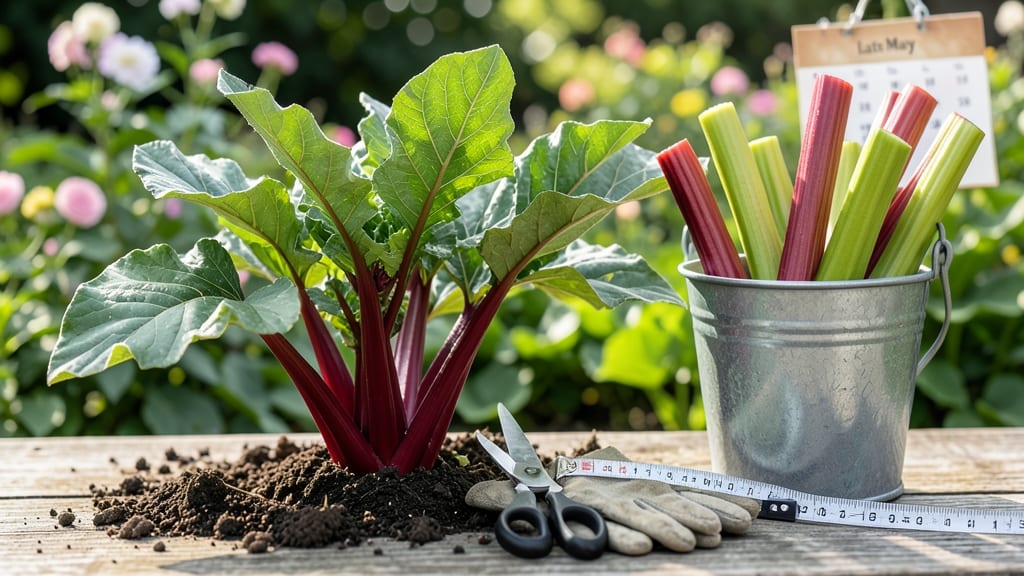
To harvest rhubarb at its sweetest and most tender, time it right—typically when stalks reach 10-12 inches and the plant is 2+ years old, usually in late spring to early summer 🌱.
Picture this: you’re about to pull a stalk, only to find it woody and tough, or worse, still too small and stringy. The difference between a flavor-packed harvest and a disappointing one comes down to knowing the exact moment to cut—and how to do it without harming your plant.
Rhubarb isn’t like other veggies; you can’t just grab and go. Harvesting too early means bland, fibrous stalks, while waiting too long risks stunting future growth. Below, I’ll walk you through the color and size cues that guarantee peak flavor and show you how to cut stalks the right way.
Whether you’re a first-year gardener or a seasoned grower, these tips will help you maximize yield while keeping your rhubarb healthy for years to come. Let’s dive in!

When to harvest rhubarb based on stem color and size
Timing your rhubarb harvest correctly ensures you enjoy the sweetest, most tender stalks while keeping your plant healthy for years. The ideal harvest window depends on stalk thickness, color intensity, and seasonal cues.
First-year plants need special care—harvesting too early can stunt their growth, while waiting too long risks tough, fibrous stalks.
Most gardeners start harvesting rhubarb in late spring (May-June), when stalks reach 10-12 inches long and develop vibrant colors. The color gradient from pale green to deep red signals ripeness, but size matters more than hue.
For peak flavor, aim to harvest when stalks are firm, crisp, and free of woody cores.
Visual indicators are your best friends—look for fully unfurled leaves and stalks that snap cleanly when bent. Avoid harvesting when stalks are less than 6 inches or still clustered tightly; these signs mean the plant isn't ready. Overharvesting can weaken your rhubarb, reducing future yields.
| Harvest Stage | Stalk Size | Color Cues | Best Time | Flavor Profile |
|---|---|---|---|---|
| Not Ready | <6 inches | Pale green/yellow | First-year plants | Bland, fibrous |
| Ideal Harvest | 10-12 inches | Bright green/red | Late spring-early summer | Sweet, tender |
| Overripe | >14 inches | Dull, woody | Mid-summer | Tough, bitter |
| First-Year | Minimal harvest | Any color | Late spring only | Small yields |
Red-stemmed varieties like 'Victoria' or 'Strawberry' develop their signature hues when fully mature, but don't wait for color alone—size is the primary indicator. Green varieties like 'Green River' should also reach 10-12 inches before harvesting.
In Zone 6a, aim for harvests between May 15 and June 15 for optimal sweetness.
Seasonal timing matters: harvest after the last frost (typically April 15 in Zone 6a) when soil warms to 50°F. Early harvests risk frost damage, while waiting too long lets stalks become woody and less flavorful. For continuous harvests, space cuts 2-3 weeks apart during peak season.
Regional adjustments are key—northern gardens should harvest slightly later than southern ones. In cooler climates, extend harvests into early July if stalks remain tender. Always leave at least 1/3 of the stalks unharvested to sustain the plant. This rule prevents stunted growth and ensures robust regrowth.
First-year plants deserve special attention: harvest only 1-2 stalks in late spring to avoid weakening the crown. Mature plants (year 2+) can yield 50+ stalks annually if harvested correctly. The thickness of your thumb is a handy gauge—ideal stalks should match or exceed it.
Watch for color fading as a sign to stop harvesting. Stalks that turn yellowish or limp indicate stress, often from overharvesting or drought. At this stage, focus on watering and fertilizing to revive the plant. A well-cared-for rhubarb plant can produce harvests for decades with proper timing.
Pro tip: Harvest in the morning after dew dries for the freshest stalks. Use a sharp knife or pruners to cut stalks at the base, leaving 1 inch of stubble. This method prevents disease and encourages new growth from the crown.
Remember, rhubarb's leaves are toxic—never harvest them. Focus solely on the tender stalks, and your plant will reward you with years of bountiful harvests. With these cues, you'll never settle for bland rhubarb again! 🌱
Step-by-step harvesting technique to preserve rhubarb plants
Harvesting rhubarb the right way ensures your plant stays healthy and productive for years. The key is to cut stalks correctly and strategically—avoiding the crown and leaves—which are vital for regrowth. I’ve learned the hard way that aggressive harvesting can weaken your plant, leading to fewer stalks next season.
Start by selecting mature stalks that are at least 10-12 inches long and bright red or green, depending on your variety. These stalks are firm and crisp, not woody or stringy.
Use a sharp knife or pruners to make clean cuts, and always leave the leaf attached to protect the crown.
Here’s my foolproof method for harvesting without harming your plant:
How to Harvest Rhubarb Step-by-Step
- Step 1: Wait until stalks reach 10-12 inches and are brightly colored.
- Step 2: Use clean, sharp pruners or a knife to cut stalks at the base.
- Step 3: Leave the leaf attached to the stalk to shield the crown from sun damage.
- Step 4: Never cut more than 1/3 of the stalks at once to avoid stressing the plant.
- Step 5: Harvest in the morning for the freshest, crispest stalks.
After harvesting, mulch around the base of your rhubarb plant to retain moisture and protect the crown. This simple step encourages stronger regrowth and larger stalks next season. Avoid overwatering, as soggy soil can rot the crown and kill your plant.
One common mistake I see is harvesting too early or cutting stalks too close to the crown. This weakens the plant and reduces future yields. Always prioritize healthy stalks over quantity—your rhubarb will thank you with years of abundant harvests.
With the right technique, your rhubarb plant will thrive and reward you with tender, sweet stalks for decades. Happy harvesting! 🌱