
How To
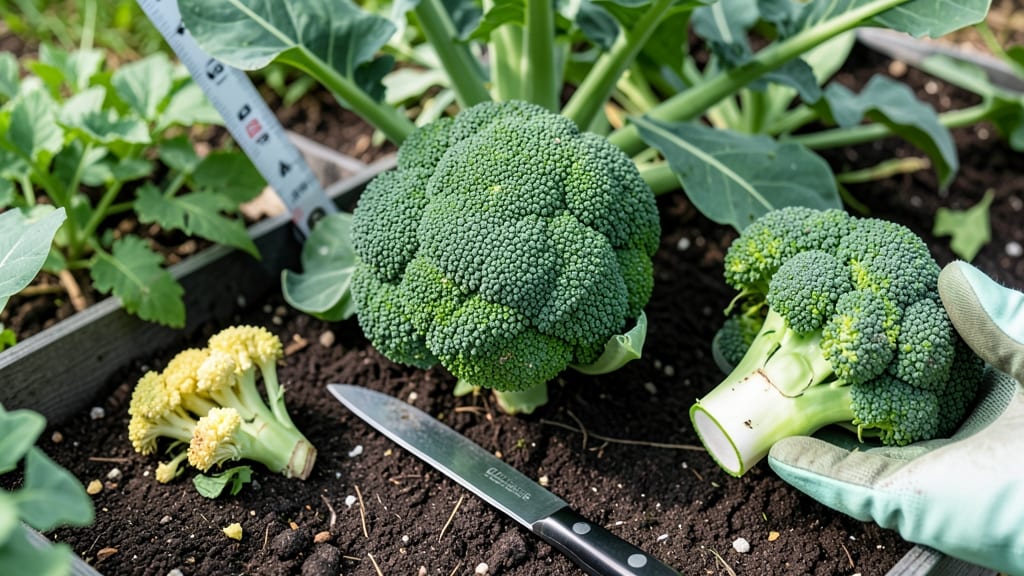
To know when to harvest broccoli, watch for tight green florets that measure 4–6 inches across and a stem that snaps cleanly when bent—these are your top clues for peak flavor and texture.
Picking broccoli at the wrong moment can turn your crisp, vibrant 🥦 into a bitter, overgrown disappointment. But how do you tell when those buds are just right? The answer lies in a mix of visual cues, stem firmness, and even the time of day you harvest.
Most gardeners miss the window because they focus on size alone, but color and firmness are just as critical. A deep green head with no yellowing florets and a stem that snaps (not bends) is your green light to cut.
In this guide, I’ll break down the exact signals to harvest, including the stem snap test, how to spot side shoots for extra yield, and what to do if you harvest too early or too late.

The ultimate broccoli harvest checklist: 5 key signs to watch
Timing your broccoli harvest perfectly ensures you get crisp, flavorful florets instead of bitter, woody stalks. The key lies in watching for 5 visual and tactile cues that signal peak ripeness.
These signs work together to tell you exactly when to reach for your pruners, ensuring you don't miss the window or harvest too late.
Broccoli plants mature quickly, typically within 50-80 days depending on the variety. But days alone won't tell you when to pick—you need to observe physical characteristics and environmental conditions. Ignoring these cues can lead to overgrown heads that turn yellow and bitter, or underripe florets that lack flavor and texture.
Here's my expert-approved checklist for identifying the perfect moment to harvest your broccoli. Pay attention to these five critical indicators to maximize your yield and quality.
- 1 Head Size: 4-6 Inches
- 2 Deep Green Florets (no yellowing or browning)
- 3 Tight Floret Clusters (no gaps between buds)
- 4 Clean Stem Snap (breaks easily at base)
- 5 Vibrant Lower Leaves (no wilting or browning)
Let's break down each of these harvest readiness signs so you can confidently identify the perfect moment. The head size is your first clue—when the main bud reaches 4-6 inches in diameter, it's typically ready.
But size alone isn't enough; you also need to check the color and texture of the florets.
The florets should be a vibrant, deep green color with no yellowing or browning. If you see any yellowing at the edges, that's a sign the broccoli is overripe and starting to bolt.
Overripe broccoli develops a bitter taste and becomes tough, making it less enjoyable to eat. I always recommend harvesting before any yellowing appears to maintain the best flavor and texture.
Next, examine the tightness of the florets. Ready-to-harvest broccoli has tightly packed buds with no gaps between them. If the florets are starting to spread apart, the head has passed its prime.
This is especially important for calabrese varieties, which have larger florets that can become loose more quickly than smaller varieties like broccolini.
One of my favorite tricks for testing broccoli readiness is the stem snap test. Gently bend the stem near the base—if it snaps cleanly with a slight resistance, it's ready to harvest.
If the stem feels tough and doesn't snap, wait a few more days. This test helps you avoid harvesting too early when the florets might still be underdeveloped.
Don't forget to check the lower leaves surrounding the head. Healthy broccoli plants will have vibrant green leaves at the base. If these leaves are wilting, yellowing, or browning, it could indicate nutrient deficiencies, disease, or environmental stress.
While the head might still be edible, the plant may not produce as many side shoots after harvest.
Environmental factors also play a role in determining the best harvest time. Broccoli grows best in cool temperatures between 60-75°F. If your area experiences hot summer temperatures above 80°F, the plant may bolt prematurely, producing smaller heads.
In these cases, I recommend harvesting slightly earlier when the heads are still firm and green, even if they're not at the ideal size.
Pro tip: Harvest in the morning after dew has dried but before the heat of the day sets in. This ensures the broccoli is at its crispest and most flavorful.
Use a sharp knife or pruners to cut the stem about 5-7 inches below the head, leaving room for side shoots to develop.
Once you've harvested the main head, watch for side shoots that will continue to produce for several weeks. These smaller shoots follow the same harvest guidelines—wait until they reach 2-3 inches in diameter and have tight florets.
With proper care, a single broccoli plant can give you multiple harvests throughout the growing season.
Broccoli stem snap test explained: how to test firmness like a pro
The stem snap test is my go-to trick for determining if broccoli is truly ready to harvest. This simple method reveals the plant's internal readiness better than just eyeballing the florets. When done right, it tells you whether your broccoli will be crisp and flavorful or woody and bitter.
To perform the test, gently grasp the main stem of your broccoli plant about 2-3 inches below the developing head. Apply firm but controlled pressure while bending it slightly. The key is listening for that distinctive sound - a clean, crisp snap indicates perfect harvest timing.
⚠️ WARNING: Avoid These Mistakes!
⚠️ Testing too early (before florets are 4-6 inches) often results in a dull thud rather than a crisp snap. The stem needs proper development time.
⚠️ Ignoring side shoots after harvesting the main head. Each side shoot should be tested individually as they mature separately.
A proper snap should sound like a dry twig breaking on a cold winter day - immediate and decisive. If you hear a dull thud or the stem bends without snapping, your broccoli needs more time. This usually means the florets are still too immature to harvest.
For dwarf varieties, the snap test works similarly but may require slightly less pressure due to their smaller stems. Always test the main stem rather than the side shoots first, as the central head typically matures slightly earlier.
Remember to test in the morning hours when stems are most hydrated. Afternoon testing can sometimes produce false results due to midday heat stress. Keep a small notebook handy to track which plants snap properly - this helps you identify the most productive varieties in your garden.
Once you hear that perfect snap, grab your sharp pruners and cut the stem about 5-7 inches below the harvested head. This leaves enough stem to support future side shoots while preventing disease entry points.