
How To
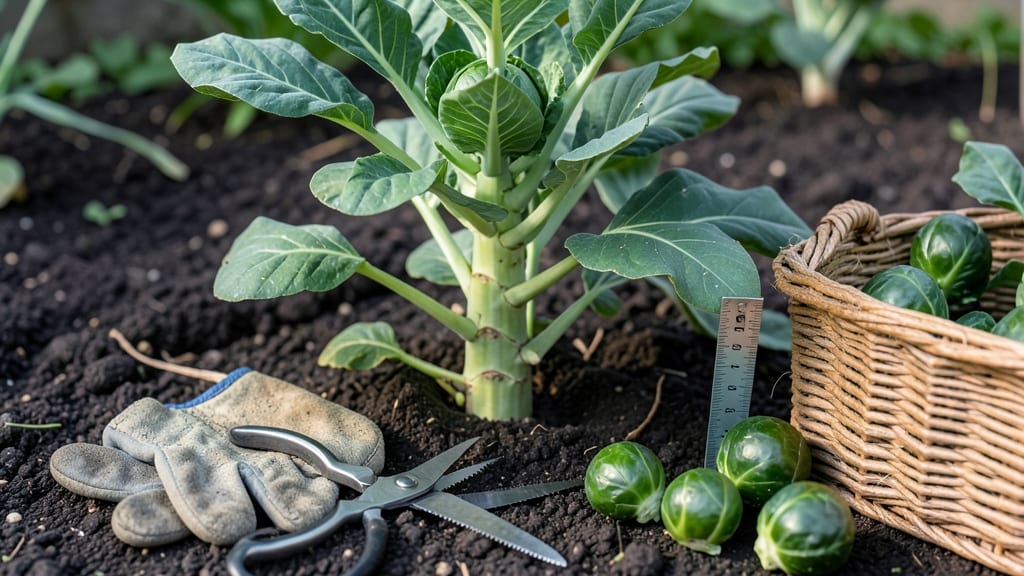
Harvesting brussel sprouts at the right time turns bitter disappointment into sweet, nutty flavor—here’s exactly how long to wait and when to pick them for peak taste.
Brussel sprouts are a gardener’s gem—but timing your harvest wrong can turn sweet, nutty flavor into bitter disappointment. Mastering the perfect moment to pick these tiny cabbages ensures your crop shines in every dish.
Most varieties are ready 90 to 120 days after planting, but size and color matter more than days alone. A sprout that’s 1 to 1.5 inches wide with deep green or purple hues is prime for picking.
Below, I’ll break down the exact cues—bud size, color shifts, and seasonal timing—to help you harvest at the perfect moment, every time.

Brussel sprout bud size & color: the exact harvest timing guide
Timing your Brussel sprout harvest is everything—picking too early means underdeveloped flavor, while waiting too long turns those sweet buds into bitter, woody disappointments. The key lies in watching two critical factors: bud size and color progression.
When you master these cues, you’ll enjoy a harvest that’s packed with that signature nutty, slightly sweet taste we all love.
Most gardeners wait 90-120 days after planting before even considering harvest, but that’s just the starting point. The real magic happens in the final 2-3 weeks when buds rapidly mature. If you miss this window, your plants may bolt or produce sprouts that are too tough to enjoy.
Let’s break down exactly what to look for to nail that perfect harvest moment.
🌱 summary table
| Stage | Bud Size | Color | Texture | Harvest Time |
|---|---|---|---|---|
| Early Development | < 1 inch | Bright green | Soft, rubbery | Not ready |
| Ideal Harvest | 1-1.5 inches | Deep green to purple | Firm, crisp | Perfect time! |
| Over-Mature | > 2 inches | Yellowing, tough | Woody, bitter | Avoid! |
| Frost Exposure | 1-1.5 inches | Purple tint | Firm, sweeter | Harvest ASAP |
The ideal bud size for harvesting is between 1 to 1.5 inches in diameter. This is when the flavor is at its peak—sweet, nutty, and perfectly tender. If you’re growing green varieties, they’ll stay bright and crisp at this size.
For purple or red varieties, the color deepens naturally as they mature, signaling they’re ready to pick. Pro tip: Use a ruler or your thumb and forefinger to check—sprouts should fit snugly between your fingers.
Color is your second clue, and it’s where many gardeners go wrong. Green varieties stay vibrant until harvest, while purple or red types develop a rich hue as they ripen. If your sprouts are still pale green, they need more time.
But if they’ve turned dark purple or deep green with a slight waxy sheen, that’s your cue to grab your pruners. Ignoring this color shift often leads to over-mature sprouts that lose their delicate texture.
Don’t overlook the leaves and stems—they’re silent indicators of ripeness. When the lower leaves start yellowing and dying back, it’s a sign that energy is being redirected to the buds below. This natural process is healthy and means your plant is prioritizing sprout development.
However, if more than half the leaves are yellow, you’ve likely waited too long. The buds may still be edible, but their flavor and texture will suffer.
Texture is the final test, and it’s where you’ll catch any last-minute mistakes. A ready-to-harvest sprout should feel firm yet slightly yielding when gently squeezed. If it’s rock-hard, it’s underripe; if it’s mushy or hollow-sounding, it’s past its prime.
Run your thumb over the surface—it should be smooth, not bumpy or woody. This tactile check is especially useful in cloudy weather when color cues might be less obvious.
One common mistake is harvesting all sprouts at once, which stresses the plant and reduces future yield. Instead, pick from the bottom up, leaving the top buds to mature. This staggered approach extends your harvest window by 2-4 weeks and ensures you’re always getting the freshest, most flavorful sprouts.
Start with the lowest buds first, then work your way upward every 7-10 days as new ones form.
Cold weather actually enhances flavor in Brussels sprouts, so don’t rush to harvest before the first frost. A light 28-32°F freeze sweetens the buds, making them even more delicious. However, if temperatures drop below 20°F, the plant may suffer damage.
In this case, harvest whatever is ready and protect the rest with row covers or mulch to extend the season.
For container growers, timing can be trickier because pots dry out faster and may not handle frost as well. Monitor your plants daily in late fall—they’ll mature faster in cooler weather.
If your sprouts are ready but the forecast calls for frost, harvest immediately and store them in the fridge for up to 5 days to enjoy their peak flavor. The trade-off? You might miss out on a second round of sprouts, but the quality will be worth it.
Remember, every Brussel sprout variety has slight differences in timing.
Common harvest mistakes that ruin Brussel sprouts (and how to Avoid them)
Even the most patient gardeners can ruin their Brussel sprouts harvest with simple timing mistakes. Leaving sprouts on the plant too long transforms their sweet, nutty flavor into bitter disappointment.
The key is understanding when to pick—before they overmature—but also recognizing how cold snaps and harvesting methods can make or break your crop.
One of the biggest mistakes is waiting until the entire plant looks ready. Brussel sprouts mature from the bottom up, so you’ll often see perfectly good lower sprouts while the upper ones are still too small.
Harvesting too late causes bitterness and tough texture, while picking too early means wasted potential. The sweet spot? Sprouts that are 1–1.5 inches in diameter with deep green or purple hues.
⚠️ WARNING: Overripe Brussels Sprouts Are Unsalvageable ⚠️
- 🌡️ Waiting for frost: A light frost sweetens sprouts, but hard freezes turn them mushy. Harvest before 28°F temperatures hit.
- 📏 Ignoring size cues: Sprouts larger than 2 inches become woody and bitter—no amount of cooking fixes this.
- ✂️ Using dull tools: Twisting or tearing sprouts damages the plant, inviting pests and disease.
Pro Tip: Harvest on dry mornings to prevent muddy sprouts and reduce disease risk.
Cold weather plays a surprising role in harvest timing. A light frost (28–32°F) actually enhances flavor by converting starches to sugars, but hard freezes destroy cell structure, making sprouts mushy and inedible.
If frost is forecast, harvest 2–3 days before temperatures drop below 30°F. For varieties like 'Long Island Improved', this means picking in late October in most climates.
Your choice of harvesting tools also impacts quality. Sharp pruners or scissors leave a clean cut, allowing the plant to heal and continue producing. Twisting sprouts off by hand can damage the stem, inviting rot or pest infestations.
Always cut 1 inch above the leaf attachment to encourage new sprouts to form below. For large plants, a bypass pruner is ideal—it’s gentler than shears and reduces tearing.
Another common error is harvesting all sprouts at once. Brussel sprouts produce continuously from the bottom up, so picking just the largest ones leaves room for more to develop. Aim to harvest every 5–7 days during peak season (October–November) to maximize yield.
If you notice the top leaves yellowing, it’s a sign the plant is shifting energy upward—time to harvest the lower sprouts before they overmature.
Finally, don’t overlook the role of plant health in harvest success. Stressed plants (from drought, nutrient deficiency, or disease) produce smaller, bitter sprouts. Ensure your Brussel sprouts get 1–2 inches of water weekly and a balanced fertilizer (10-10-10) every 4–6 weeks until harvest.
Healthy plants tolerate cold better and recover faster after picking.