
How To
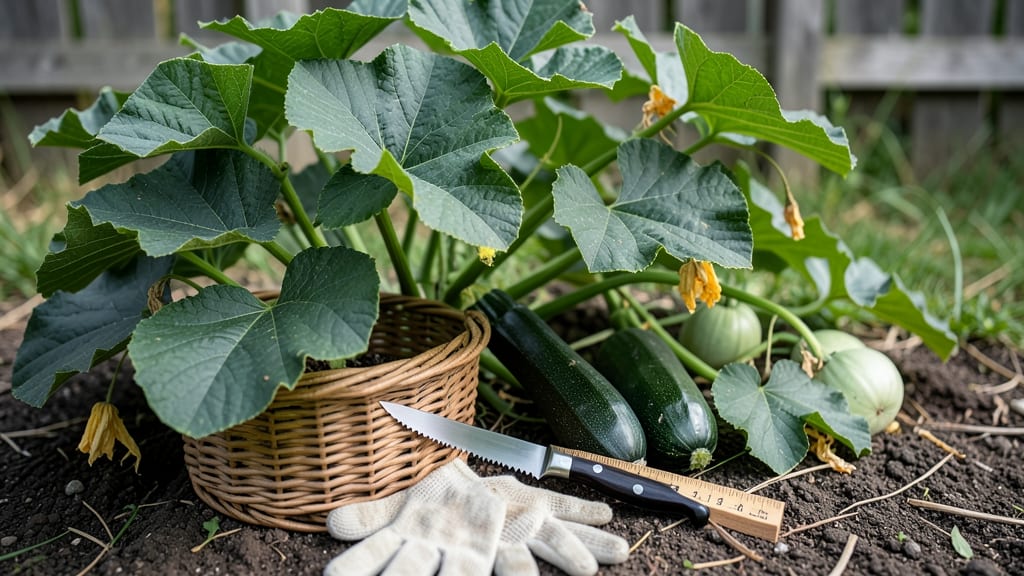
To harvest zucchini at the perfect moment for sweet, tender flesh and seed-free sweetness, timing is everything—usually between 40 and 60 days after planting, depending on the variety.
Picture this: one morning, your 🍆 plants are thriving, and by afternoon, you’ve got a foot-long monster with tough skin and bitter seeds.
That’s the difference between a 5-minute harvest and a 10-minute wait—too early, and you’re left with bland, underdeveloped fruit; too late, and your garden turns into a jungle of inedible giants.
Here’s the secret: zucchini ripen fast, but not all at once. You’ll need to check them every 2-3 days once they reach 6 inches, using three simple tactile tests—skin firmness, stem color, and seed development—to lock in peak flavor before they outgrow their prime.
In this guide, I’ll walk you through the exact cues to watch for, how to adjust your harvest schedule by variety, and why consistent picking keeps your plants producing all summer long—no more zucchini overload or wasted effort.
How long to harvest zucchini: 3 tactile tests for perfect ripeness
Timing your zucchini harvest is an art—one that balances flavor, texture, and plant health. While many gardeners rely on size alone, the real secret lies in your fingertips. A zucchini’s tactile cues reveal its sweetness and seed development far better than visual checks.
I’ve learned that ignoring these hands-on signals leads to either bitter, underripe squash or tough, seedy monsters that take over your garden.
Visual cues like color and size give you a starting point, but they’re not enough. For example, a 6-inch zucchini might look perfect but feel rock-hard when pressed. Or a 8-inch squash could already be overripe inside, with developed seeds turning it woody.
That’s why I’ve perfected three tactile tests to determine ripeness—each one a quick, foolproof way to harvest at peak flavor.
Here’s how to use your hands to predict sweetness and avoid the common pitfalls of harvesting too early or too late. These methods work for all zucchini varieties, from Black Beauty to Golden Zucchini, and they’ll transform your harvest from guesswork to confidence.
👉 3 Tactile Tests for Perfect Zucchini Ripeness
- 1 Stem End Color Test: Press your thumb into the stem end. If it yields slightly (like pressing a ripe avocado), the zucchini is ready. A green stem end means it’s underripe, while a dry, brown stem signals overripeness.
- 2 Skin Resistance Test: Run your thumbnail across the skin’s surface. A ripe zucchini’s skin should resist light pressure but still feel tender. If it feels smooth like plastic, it’s underripe; if it’s rough or leathery, it’s past its prime.
- 3 Seed Cavity Check: Gently squeeze the blossom end. If the seeds rattle or you feel resistance, the zucchini is overripe. A ripe one will have a soft, yielding cavity with barely visible seeds. This test is the most reliable for predicting sweetness and tenderness.
The stem end color test is my go-to because it’s the fastest way to check ripeness without cutting into the zucchini. I’ve found that even if a squash looks dark green and glossy on the outside, the stem end can reveal its true maturity.
For example, a Black Beauty zucchini might appear ready at 7 inches, but if the stem end is still green, it needs 2–3 more days to sweeten up.
Next, the skin resistance test helps me avoid the dreaded "zucchini leather" scenario. Overripe squash develops a woody texture that’s nearly impossible to cook with, no matter how much olive oil you add.
By running my thumbnail along the skin, I can catch zucchini just before they cross that line. Pro tip: If the skin feels slightly waxy, it’s perfect for grilling or spiralizing.
Finally, the seed cavity check is my secret weapon for seed-free sweetness. Many gardeners assume all zucchini are edible, but the truth is that developed seeds turn the flesh bitter.
By pressing the blossom end, I can tell if the seeds are still tiny and tender or if they’ve already hardened. This test also helps me predict how many zucchini I can harvest before the plant shifts its energy to seed production.
To put these tests into practice, I harvest my zucchini every 2–3 days during peak season. This frequency keeps the plant producing and ensures I never miss the sweet spot of ripeness.
Start by checking your zucchini with all three tests in the morning, when the skin is firmer and easier to evaluate. If you’re unsure, err on the side of harvesting sooner—underripe zucchini can still be used in cooked dishes, while overripe ones are nearly inedible.
Remember, zucchini ripen fastest in hot weather, so your tactile checks will need to happen more frequently when temperatures rise above 85°F.
In cooler climates, you might have 5–7 days between checks, but in the heat of summer, I’m out in the garden with my zucchini basket every 48 hours. The key is consistency—your fingers will quickly learn what “just right” feels like.
Once you master these tactile tests, you’ll never again wonder, “Is this zucchini ready?” The combination of stem color, skin texture, and seed cavity gives you a three-dimensional understanding of ripeness.
And the best part? You’ll end up with zucchini that are sweeter, seed-free, and perfect for every recipe—from zucchini bread to fresh salads.
Now grab your gloves, head to the garden, and give your zucchini a little squeeze. Your taste buds—and your future harvests—will thank you. 🌱
Zucchini harvest timing by variety: when to pick for maximum yield
Not all zucchini varieties mature at the same speed, which means your harvest timing should vary based on what you’re growing. For example, Black Beauty—the classic green zucchini—typically reaches harvest readiness in 45-55 days, while Golden Zucchini varieties like 'Gold Rush' mature slightly faster at 40-50 days.
Even compact Patio Star zucchini, perfect for containers, follows its own schedule with a 50-60 day window.
Understanding these differences helps you plan your garden layout and rotate harvests to avoid overwhelming your kitchen. If you’re growing multiple varieties, I recommend spacing plantings 2-3 weeks apart to stagger maturity and ensure a steady supply of fresh zucchini all summer long.
Here’s a quick reference for the most popular varieties and their ideal harvest windows:
For container gardeners, varieties like Patio Star or Eight Ball are game-changers because they mature quickly and don’t require deep soil. I’ve even grown Patio Star in 5-gallon pots with 50% success—just ensure they get full sun and consistent watering.
If you’re in a shorter growing season (like USDA Zone 5 or cooler), prioritize faster-maturing varieties like Gold Rush or Black Beauty. Start seeds indoors 4-6 weeks before your last frost date to give them a head start.
In warmer climates, you can even plant succession crops every 2 weeks for a continuous harvest.
Pro tip: Mark your calendar with the estimated harvest dates for each variety when you plant. This simple trick helps you stay ahead of the game and avoid missing the sweet spot for peak flavor.
And remember—once your zucchini hits 8 inches, it’s racing toward the seedy, bitter stage, so check your plants every 2-3 days once they start flowering.