
How To
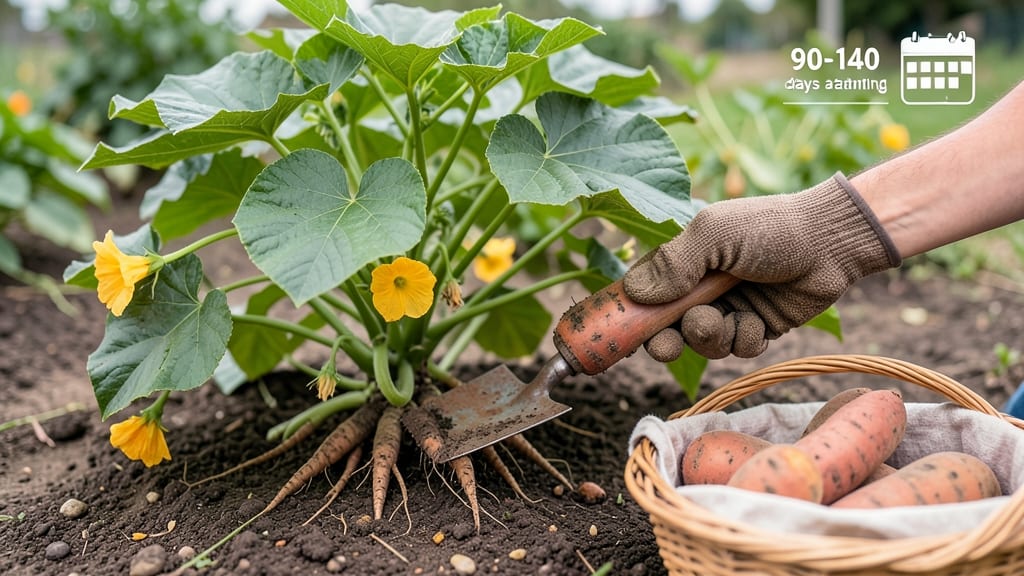
Harvesting sweet potatoes at 90–140 days after planting is the key to unlocking their full flavor and storage potential 🍠—but timing it right means knowing when the tubers are ready without digging up a bitter mess.
Here’s the catch: unlike fruits that ripen on the vine, sweet potatoes mature underground, and pulling them too early leaves you with tough, woody tubers, while waiting too long risks sprouting or frost damage.
The secret? Watching for soil temperature triggers (ideal between 60–85°F) and spotting three telltale signs: yellowing vines, leaf dieback, and tubers that resist a fingernail’s pressure.
In Zone 6a, that window typically falls between September and October, but regional heat waves or early frosts can shift it by weeks. Below, I’ll break down how to read your plants, adjust for your climate, and even salvage a crop if you miss the perfect moment.
You’ll leave here knowing exactly when to dig for perfectly sweet potatoes—plus how to store them for months without losing that garden-fresh taste.

Sweet potato harvest timeline: days to maturity by variety and soil conditions
Sweet potatoes thrive when planted in warm soil, but their harvest timing depends heavily on variety and soil temperature. Unlike above-ground crops, these tubers mature underground over 75–120 days, with ideal conditions accelerating their development.
Warmer soils (75–85°F) speed up maturity, while cooler soils (60–70°F) extend the timeline. Understanding these factors ensures you harvest at peak sweetness and texture.
Most home gardeners grow Beauregard, Jewel, or Purple varieties, each with slightly different maturity windows. For example, Beauregard typically matures in 90–110 days, while Jewel can take up to 120 days.
Soil temperature plays a critical role—warmer conditions can shave off 10–20 days from the harvest timeline, while cooler soils may push it closer to 140 days in extreme cases.
Soil temperature is the hidden factor that most gardeners overlook. Sweet potatoes need consistent warmth to develop properly. Below 60°F, growth slows dramatically, leading to smaller, less flavorful tubers. Above 85°F, vines may mature faster, but tubers can become fibrous. Aim for a steady 70–75°F range for optimal results.
Here’s how soil conditions impact your harvest schedule:
| Variety | Days to Maturity | Ideal Soil Temp (°F) | Harvest Window | Key Visual Cue |
|---|---|---|---|---|
| Beauregard | 90–110 days | 70–80°F | Late summer–early fall | Vines yellow, leaves wilt |
| Jewel | 100–120 days | 65–75°F | Mid–late fall | Vine dieback, skin toughens |
| Purple | 110–130 days | 60–70°F | Late fall | Foliage browns, tubers firm |
| Bonita | 100–115 days | 75–85°F | Early fall | Leaves curl, vines dry |
Notice how Beauregard matures faster in warmer soils, making it ideal for shorter growing seasons. Meanwhile, Purple varieties thrive in cooler conditions but require more time.
Always adjust your planting schedule based on your last frost date and average soil temperature—this ensures you avoid harvesting too early (woody tubers) or too late (sprouting/rot).
Watch for leaf yellowing and vine dieback, two key signs that tubers are ready. These visual cues typically appear 1–2 weeks before the variety’s maturity window. For example, if you planted Beauregard on May 1, expect vines to yellow around August 1–15 in ideal conditions.
However, if your soil stayed cool, this timeline may extend to September 1.
Soil temperature also affects tuber size and sweetness. Cooler soils (60–65°F) produce smaller tubers with less starch, while warmer soils (80–85°F) yield larger, sweeter potatoes.
To maximize flavor, monitor soil temps with a soil thermometer and adjust watering—deep, infrequent watering encourages deeper root growth, which improves tuber development.
Regional differences matter, too. Gardeners in USDA Zones 8–10 can plant sweet potatoes as early as March and harvest by September, while those in Zones 6–7 should wait until May and harvest before the first frost.
In colder climates, use black plastic mulch to warm the soil and extend the growing season by 2–3 weeks.
Pro tip: If your vines yellow too early (before the variety’s maturity window), it could signal drought stress or nutrient deficiency. Increase watering or apply a balanced fertilizer (like 10-10-10) to encourage tuber growth.
Conversely, if vines stay green past the expected harvest date, the tubers may be overmature and prone to sprouting—dig them up before this happens.
How to test sweet potato readiness: 3 non-destructive methods before digging
Sweet potatoes mature underground, making it tricky to judge when they’re ready to harvest. Unlike above-ground crops, you can’t simply pick them when they look ripe. Instead, focus on three key visual and tactile cues that signal perfect timing without damaging your tubers.
These methods help you avoid the common mistakes of harvesting too early (resulting in small, woody potatoes) or too late (leading to sprouting or rot).
First, pay attention to the vine health. Healthy sweet potato vines should start showing signs of natural dieback—this means the leaves turn yellow and begin to wither from the edges inward. This process usually starts 2–4 weeks before the tubers reach peak sweetness.
Don’t confuse this with frost damage or disease; healthy dieback happens gradually and uniformly across the plant. If your vines are still vibrant and green, your potatoes likely need more time in the ground.
- 🟡 Leaf Color: Vines turn yellow and wilt naturally (not from frost or disease).
- 🌿 Vine Dieback: 50-70% of leaves dry up over 1-2 weeks.
- 👆 Finger Test: Tuber skin resists fingernail pressure (no dent).
- 📏 Size Check: Tubers reach 4-6 inches in length (varies by variety).
- ⏰ Soil Temp: Ideal harvest when soil stays 60-85°F for 3+ weeks.
Next, use the finger test to check tuber toughness without digging. Gently press your fingernail into the soil near the base of the plant. If the skin of the tuber resists penetration and doesn’t dent easily, it’s likely mature. Early-season tubers will feel soft and give way under pressure.
This test works best on dry, warm days when the soil is loose and easy to probe. For varieties like Beauregard, aim for a firmness that feels like a ripe avocado—slightly yielding but not mushy.
Finally, consider your harvest goals. Sweet potatoes intended for immediate cooking can be harvested slightly earlier when they reach 3–4 inches in size, even if the vines aren’t fully dead. However, for long-term storage, wait until the vines are completely withered and the tubers are at their largest.
Store-bought sweet potatoes often undergo a curing process (high humidity and warm temps for 5–10 days) to develop their sweet flavor, but homegrown tubers benefit from a similar 2–3 day curing period in a warm, humid space before storage.
Timing your harvest correctly also depends on your climate. In warmer regions (like USDA Zones 8–10), sweet potatoes may mature in 90–110 days, while cooler zones (like Zone 6) might need 120–140 days.
Always monitor soil temperatures—ideal harvest conditions occur when soil stays between 60–85°F for at least 3 weeks. If frost threatens before your vines die back, harvest immediately to salvage partially mature tubers, even if they’re smaller than ideal.
By mastering these three non-destructive methods, you’ll consistently harvest sweet potatoes at their peak—sweet, starchy, and perfect for eating or storing. The key is patience: wait for the vines to signal readiness rather than guessing based on days after planting.
Your taste buds (and your pantry) will thank you! 🍠