
How To
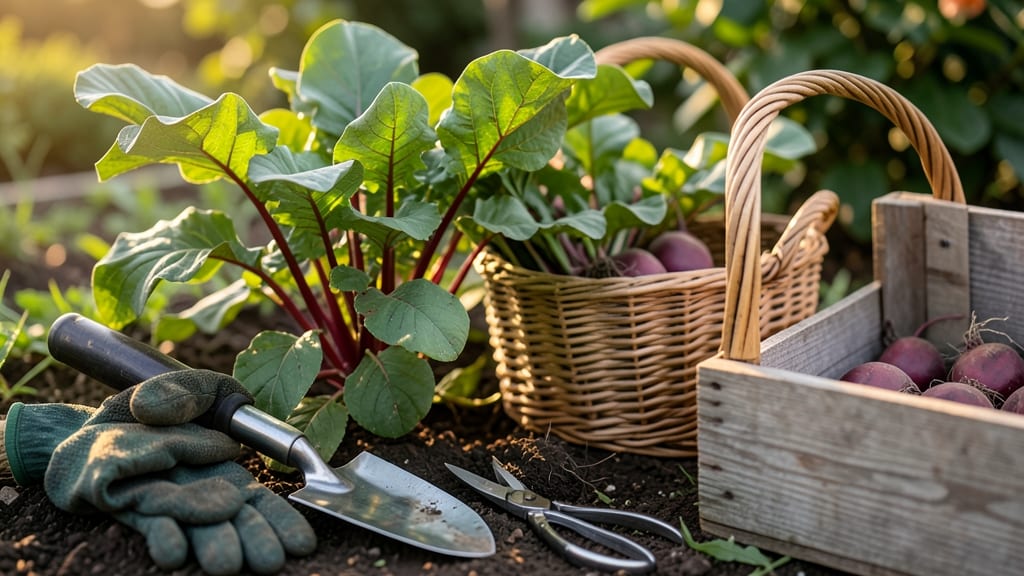
Harvesting and storing beetroot 🍠 at the right time unlocks their sweetest flavor and longest shelf life—two keys most gardeners overlook.
Picture this: you’ve nurtured your beets for months, only to pull them too early and end up with bland, watery roots, or wait too long and get tough, stringy messes. The difference between a perfectly sweet beet and a disappointing one often comes down to timing and technique.
Beyond the harvest, storing your beets correctly can extend their freshness for months—not just weeks. Whether you’re root cellaring, refrigerating, or freezing, knowing the right methods keeps them crisp and vibrant, ready to use in soups, salads, or roasted dishes.
In this guide, I’ll walk you through the exact signs to watch for when harvesting, the best storage techniques for each method, and how to troubleshoot common issues like rot or wilting. Let’s make sure your homegrown beets stay delicious long after the garden season ends.

When and how to harvest beetroot for maximum sweetness
Timing your beetroot harvest correctly transforms your garden's earthy treasures into sweet, vibrant rewards. Unlike many vegetables, beets develop their peak flavor when fully mature—but wait too long, and they become tough and woody.
The key lies in understanding your variety type and watching for subtle visual cues that signal readiness.
Most gardeners focus on root size as their primary harvest indicator, but the truth is more nuanced. For baby beets, like Detroit Dark Red or Chioggia, you'll want to harvest when roots reach 1-2 inches in diameter—typically 50-60 days after planting.
These tender varieties are prized for their delicate texture and mild sweetness, making them perfect for quick salads or roasting.
For mature beet varieties like Golden or Bull's Blood, aim for roots that measure 2-3 inches in diameter—this is when their natural sweetness reaches its peak. These larger beets store exceptionally well and develop a deeper, more complex flavor profile perfect for roasting or pickling.
The secret here is the skin texture: it should feel firm to the touch but not hard or woody.
One of the most reliable harvest signals is the condition of your beet's leaves. When the outer leaves begin to yellow and die back while the inner leaves remain vibrant, it's a clear sign your beets are ready.
This natural process indicates the plant is redirecting energy to the root, concentrating sugars and improving flavor. Ignore this cue, and you risk harvesting beets that have become woody and less palatable.
Seasonal timing also plays a crucial role in beetroot sweetness. Beets planted in spring and harvested in late summer (June-August) tend to develop richer flavors due to longer daylight hours.
Conversely, those planted in late summer for fall harvest (October-November) may develop slightly less sweetness but still offer excellent storage potential. The soil temperature matters too—cooler spring soils slow growth, resulting in sweeter beets.
Avoid these common harvest mistakes that can ruin your beets' flavor and texture. First, never harvest when the soil is waterlogged or frozen, as this damages the roots. Second, don't pull beets by their greens—always grasp the root firmly and twist gently to avoid breaking the stem.
Third, resist the urge to harvest beets during heatwaves, as this can cause them to develop a bitter taste due to stress.
Pro tip: If you're growing beets for long-term storage, harvest them before the first frost of fall. Beets can tolerate light frosts, but freezing temperatures will damage their cell structure.
For maximum storage life, cure your harvested beets by leaving them in the sun for 1-2 hours to harden their skins—a process that significantly extends their shelf life in cool, dark conditions.
Remember that beetroot varieties differ in their ideal harvest windows. For example, Chioggia beets (known for their stunning striped patterns) are best harvested when young, while Detroit Dark Red varieties develop their signature deep color and sweetness when fully mature.
Always check your seed packet for specific recommendations, as some heirloom varieties may have unique characteristics.
With these techniques, you'll harvest beets at their peak sweetness and texture, ensuring every bite is a flavorful success. The difference between a good beet and a great one often comes down to timing—so keep your eyes on those roots and your garden journal handy to track progress! 🌱🍠
Step-by-step beetroot storage methods for freshness beyond 6 months
Once you’ve harvested your beetroot at peak sweetness, proper storage is key to preserving that flavor for months. Unlike delicate greens, beets store surprisingly well—up to 6 months or longer—if you follow the right techniques.
The secret lies in prep work, choosing the right method, and avoiding common pitfalls like moisture buildup or temperature fluctuations.
Before storing, always trim the greens and let beets cure for 1-2 hours at room temperature. This hardens their skin, preventing rot during storage. For long-term freshness, you’ll need to decide between root cellaring, refrigeration, or freezing, each with unique pros and cons.
Let’s break down the best approach for your setup.
Beetroot Storage Methods: Pros & Cons
- ✅ 6+ months shelf life
- ✅ Preserves texture and flavor
- ✅ Ideal for bulk storage
- ❌ Requires cool, humid space
- ❌ Risk of mold if not cured
- ❌ Not ideal for small batches
- ✅ 3-4 months freshness
- ✅ No special setup needed
- ✅ Good for small quantities
- ❌ Texture softens over time
- ❌ Limited long-term storage
- ❌ Risk of freezer burn if mishandled
- ✅ Up to 12 months shelf life
- ✅ Best for cooked or prepped beets
- ✅ Prevents waste from spoilage
- ❌ Texture changes after thawing
- ❌ Requires blanching for best results
- ❌ Takes more space than root cellaring
For the longest shelf life, a root cellar is your best bet—ideal temperatures hover around 32-40°F, with high humidity (60-70%). If you don’t have a dedicated space, a cool basement or even a garage with insulation can work.
Store beets in sand or sawdust to prevent bruising, and check weekly for any signs of soft spots or mold.
If root cellaring isn’t an option, your fridge will keep beets fresh for 3-4 months. Wrap them loosely in paper towels or store in a perforated plastic bag to allow airflow.
Avoid washing before storage—moisture speeds up spoilage. For freezing, peel and blanch beets for 2 minutes before shocking in ice water. This preserves color and nutrients for up to 12 months.
Troubleshooting is key—if you spot mold or slimy texture, act fast. Discard affected beets immediately and store the rest in a dry, well-ventilated area. For frozen beets, freezer burn (dry, discolored patches) means it’s time to use them in soups or stews where texture matters less.
With these methods, you’ll enjoy homegrown beetroot year-round—whether roasted, pickled, or tossed into salads. The key is consistency: proper prep, correct storage conditions, and regular checks ensure your harvest stays fresh and delicious.