
How To
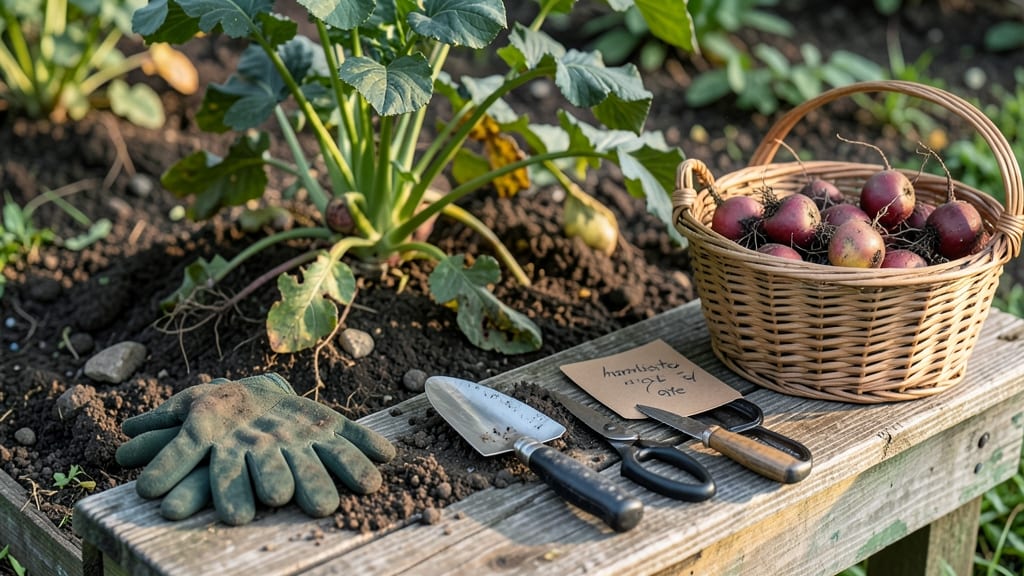
Harvesting and storing beets at their peak sweetness is the secret to turning your garden bounty into meals that taste as good as they look 🍠.
Picture this: you pull a perfectly tender, deep-red beet from the soil, only to find it turns woody and bitter after just a few days in the fridge. That’s the frustration I’ve seen too many gardeners face—especially when beets can actually last weeks if stored right.
Timing is everything: dig them too early, and they’re small and watery; wait too long, and they toughen up. Then there’s the storage puzzle—should you refrigerate, cellar, or freeze? Each method preserves flavor and texture differently, and I’ll walk you through the best approach for your harvest.
By the end, you’ll know exactly when to pull those roots for the sweetest flavor, how to prep them for storage, and the simple tricks to keep them fresh—whether you’re roasting them in a week or saving them for winter soups.

When and how to harvest beets for maximum sweetness
Timing your beet harvest is everything—dig too early, and you’ll get small, underdeveloped roots. Wait too long, and they’ll turn woody or develop a tough center. The key is to harvest when sugars are concentrated and the texture is tender but firm.
For most varieties, this happens between 50 to 70 days after planting, but the exact moment depends on whether you’re growing baby beets, mature storage beets, or long-storing varieties.
Start by checking the leaf size—when the greens reach 4 to 6 inches tall, the roots are usually ready.
Baby beets (like ‘Babybeat’ or ‘Little Ball’) mature faster, often in just 30 to 40 days, while larger varieties (like ‘Detroit Dark Red’ or ‘Golden’) need the full 60 to 70 days. Pay attention to the root diameter: aim for 1 to 3 inches for peak sweetness.
If the roots feel spongy or the leaves wilt easily, it’s time to harvest.
Use a hand fork or trowel to loosen the soil around the beet before gently lifting it out. Avoid pulling by the greens—this can damage the root. Once unearthed, brush off excess dirt and trim the foliage to 1 inch above the root.
This prevents moisture loss and extends storage life. For storage beets, leave a 1-inch stem to help them keep longer in cool conditions.
🌱
| Beet Type | Harvest Time (Days) | Root Size | Leaf Size | Best For |
|---|---|---|---|---|
| Baby Beets | 30–40 | ½–1 inch | 2–3 inches | Salads, quick cooking |
| Mature Beets | 50–60 | 1–2 inches | 4–6 inches | Roasting, soups |
| Storage Beets | 60–70 | 2–3 inches | 6–8 inches | Long-term storage |
If you’re growing storage beets (like ‘Chicago Red’ or ‘Cylindra’), wait until the roots are fully developed—typically 2 to 3 inches in diameter—before harvesting. These varieties are bred to store well for months in cool, dark conditions.
For baby beets, harvest when the roots are no larger than 1 inch to keep them sweet and tender. Over-mature beets lose their natural sweetness and develop a woody texture, so don’t let them linger in the ground.
Harvest on a dry, sunny day to allow the roots to dry slightly before storing. This reduces the risk of rot during storage. If you’re unsure whether a beet is ready, dig one up and taste it—sweetness is your best guide.
Baby beets should be mildly sweet, while mature beets will have a richer, earthier flavor. If the beet tastes bitter or watery, it’s past its prime.
For continuous harvests, plant beets in succession every 2 to 3 weeks. This ensures a steady supply of fresh, sweet beets throughout the growing season. Just remember: the shorter the storage time, the sweeter the beet.
Baby beets harvested young are the most tender and flavorful, while larger beets store better but may require longer cooking times.
After harvesting, avoid washing the beets until you’re ready to use them. Moisture speeds up spoilage, so store them dry and in a cool, dark place (like a root cellar or fridge) until you’re ready to trim and prep them.
For immediate use, trim the greens and roots, then store the beets in a plastic bag in the fridge for up to 2 weeks. For long-term storage, cure them first by leaving them in a warm, dry place for 24 hours before storing.
🌿
One common mistake is harvesting beets when the soil is wet—this can cause the roots to bruise or rot. Always harvest when the ground is dry enough to crumble but not baked hard. Another tip: harvest in the morning when temperatures are cooler.
This helps preserve the freshness and sweetness of the beets. If you’re growing in containers, be extra gentle—root-bound beets are fragile and can break easily when dug up.
For long-storing varieties, harvest when the leaves start to yellow or the beet tops are 6 to 8 inches tall. These beets are designed to keep for months in a root cellar, but they’ll lose sweetness over time. If you plan to store them, cure them first by leaving them in a warm (55–60°F), dry place for 24 hours. This helps them develop a protective skin and stay fresh longer.
Step-by-step guide to storing beets for 4+ weeks
Once you’ve harvested your beets at peak sweetness, proper storage is the key to keeping them crisp and flavorful for weeks—not just days. The good news? With the right techniques, you can extend their shelf life well beyond the typical 2-week fridge mark.
I’ve tested three methods in my own garden, and each has its strengths depending on your setup and how long you want to preserve them.
The secret starts with curing and prepping your beets immediately after harvest. Skipping this step is the #1 reason they spoil quickly—moisture and dirt create the perfect environment for rot.
Below, I’ll walk you through my foolproof method for curing, trimming, and packaging beets, plus the best storage options for your harvest.
How to Store Beets for 4+ Weeks
- 1 Cure the beets: Lay freshly dug beets in a single layer on a tray or clean towel in a cool, dark place (like a basement or garage) for 2-3 hours. This dries the skin slightly, preventing rot.
- 2 Trim the greens: Use a sharp knife to cut the leafy tops 1 inch above the root. Leave a small stem to protect the beet. Discard the greens—they draw moisture from the root.
-
3
Choose your storage method:
- • Root cellar: Store in sand or sawdust (not plastic) in a humidity-controlled space (32–40°F). Lasts 4+ weeks.
- • Fridge: Wrap individually in damp paper towels and place in a plastic bag. Lasts 3–4 weeks.
- • Freezing: Peel, slice, and blanch for 2 minutes before freezing in airtight bags. Lasts up to 12 months.
-
4
Avoid these mistakes:
- ❌ Washing before storage—trapped moisture causes rot.
- ❌ Storing in plastic bags without ventilation.
- ❌ Keeping in warm areas (like countertops).
For the longest shelf life, a root cellar is my top pick—it mimics the natural conditions beets thrive in. If you don’t have one, the fridge method works surprisingly well, especially if you wrap them in damp paper towels to retain moisture.
And if you’re planning for winter, freezing is a game-changer for soups and stews.
Pro tip: Check your stored beets every week for soft spots or mold. A single bad beet can spoil the whole batch, so remove any that look off immediately. With these steps, you’ll enjoy garden-fresh beets long after the harvest season ends!
🌱