
How To
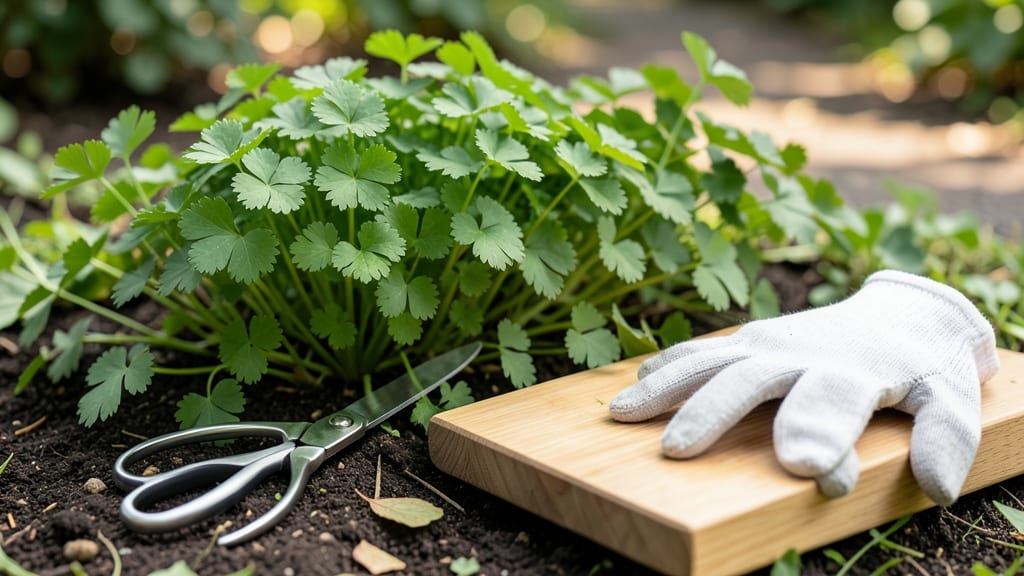
Harvesting flat leaf parsley at 6 inches unlocks its boldest flavor while keeping your plant thriving for months—no guesswork required.
Picture this: you’re about to chop parsley for a summer salad, and the leaves smell faintly of water. That’s not fresh parsley—it’s missed the window. The difference between peak flavor and a weak garnish comes down to timing, technique, and knowing exactly where to snip.
Most gardeners overlook the 6-inch rule, which is when the stems are sturdy enough to cut without stunting growth.
You’ll learn the morning vs. afternoon harvest debate, how to prune for bushier regrowth, and the one tool that makes snipping effortless. No more wimpy stems or sparse regrowth—just a steady supply of vibrant, aromatic leaves all season.
From your first harvest in June to your last in October, this guide ensures you never waste a single leaf. Let’s get your parsley 🌿 producing like a pro.

When and how to harvest flat leaf parsley for maximum flavor
Harvesting flat leaf parsley at the right moment transforms it from a simple herb to a flavor powerhouse in your kitchen. The key? Waiting until stems reach 6 inches tall—this ensures both peak flavor intensity and healthy regrowth.
When done correctly, your parsley will keep producing lush, aromatic leaves for months, not just weeks.
Timing matters just as much as technique. Morning harvests are ideal because the leaves are hydrated and packed with essential oils that give parsley its signature taste. Afternoon harvesting can leave leaves wilted and less flavorful, while evening cuts risk fungal growth from lingering moisture.
Combine this with proper cutting methods, and you’ll enjoy a continuous supply of vibrant, fragrant parsley.
Before you grab your shears, look for these visual cues that your parsley is ready: deep green leaves, firm stems that snap cleanly when bent, and 6-8 mature leaves per stem.
Avoid harvesting when leaves are pale or stems feel mushy—these are signs your parsley isn’t ready yet. Paying attention to these details ensures you’re always harvesting at the perfect moment.
Step-by-Step Harvesting Guide
-
Step 1: Choose the Right Time
Harvest in the early morning (before 9 AM) for the brightest flavor and firmest leaves. -
Step 2: Identify Mature Stems
Select stems that are 6 inches tall with 6-8 leaves. Avoid cutting stems shorter than 4 inches. -
Step 3: Use the Right Tools
Use clean, sharp scissors or pruning shears to make precise cuts. Never tear leaves by hand. -
Step 4: Cut at the Base
Hold the stem at a 45-degree angle and cut just above a leaf node (where new growth emerges). -
Step 5: Leave 1/3 of the Plant
Never remove more than 1/3 of the plant at once to avoid stressing the roots and stunting growth. -
Step 6: Rinse and Store
Gently rinse leaves under cool water and pat dry with a paper towel. Store in a sealed container in the fridge for up to 10 days.
Once you’ve mastered the cutting technique, focus on post-harvest care to keep your parsley thriving. After harvesting, water the base of the plant to restore moisture lost during cutting. If your parsley is in full sun, provide light shade for a day or two to help it recover.
This simple step ensures your plant stays healthy and productive for future harvests.
Did you know that regular harvesting actually encourages bushier growth? When you consistently remove the outer leaves, the plant redirects its energy to producing new side shoots and denser foliage.
This means your parsley won’t just recover—it’ll grow fuller and more flavorful over time. Think of it as a reward for your careful harvesting habits!
If you’re growing parsley in containers, the same rules apply, but pay extra attention to root space. Container-grown parsley has limited room to recover, so never cut more than 20% of the plant at a time.
Use a well-draining potting mix and fertilize lightly with a balanced herb fertilizer every 4-6 weeks to support regrowth.
For maximum flavor retention, avoid harvesting during hot afternoons or after rain. Heat causes leaves to wilt quickly, while rain can dilute the essential oils that give parsley its aroma.
Instead, stick to cool mornings when leaves are crisp and packed with flavor. This small adjustment makes a noticeable difference in taste.
One common mistake is cutting stems too short, which can leave your parsley looking bald and stressed. Always leave at least 4 inches of stem to ensure the plant can regenerate new leaves.
If you accidentally cut too much, don’t panic—simply reduce future harvests and focus on watering and fertilizing to help it recover.
To extend your parsley’s harvest season, consider succession planting. Sow new seeds every 2-3 weeks from spring to early summer. This ensures you’ll always have fresh parsley ready to harvest, even as older plants mature.
With this method, you can enjoy homegrown parsley from early summer through fall.
Remember, the goal isn’t just to harvest—it’s to harvest smartly. By following these steps, you’ll not only get the best-tasting parsley but also a plant that keeps giving for months. Happy harvesting! 🌿
Flat leaf parsley harvesting mistakes that kill your plant (and how to avoid them)
Harvesting flat leaf parsley wrong can turn your flavorful herb into a sad, leggy shadow of its former self. I’ve seen parsley plants wilt or stop producing after aggressive cutting—don’t let that happen to yours! The key is balance: timing, technique, and regrowth awareness keep your parsley thriving.
Many gardeners make costly mistakes like cutting stems too short or harvesting too frequently. These errors stress the plant, reducing flavor and growth. Instead, focus on selective pruning and seasonal adjustments to maximize yield without harm. Let’s fix these common pitfalls.
⚠️ 3 Harvesting Mistakes That Kill Your Parsley
1. Cutting stems below 2 inches – This removes the plant’s energy source, stunting regrowth. Always leave at least 2 inches of stem.
2. Harvesting more than 1/3 of the plant at once – Over-harvesting shocks the plant. Limit cuts to outer leaves or 1/3 of stems per session.
3. Ignoring seasonal slowdowns – In hot summers or cold winters, parsley grows slower. Reduce harvesting frequency to avoid stress.
One of the biggest harvesting sins is cutting stems at the base of the plant. This removes the growth point and forces parsley to bolt or die back. Instead, always cut above a leaf node—the bump where new leaves form. This encourages bushier growth and keeps your parsley productive.
Another common error is harvesting in the heat of the day. Parsley’s oils (which hold its flavor) evaporate faster when cut during peak sunlight. Harvest in the morning for the freshest, most aromatic leaves. Store them in a sealed container with a damp paper towel to preserve flavor.
To avoid leggy growth, never let your parsley grow too tall before harvesting. Aim to cut when stems reach 6-8 inches tall. This prevents the plant from stretching toward light, which weakens flavor. Pinch back taller stems to encourage side shoots and a fuller bush.
Finally, watch for regrowth signals. Healthy parsley should bounce back within 2-3 weeks after harvesting. If it takes longer, you’re harvesting too much. Adjust your schedule to let the plant recover, especially in late summer when growth naturally slows.