
How To
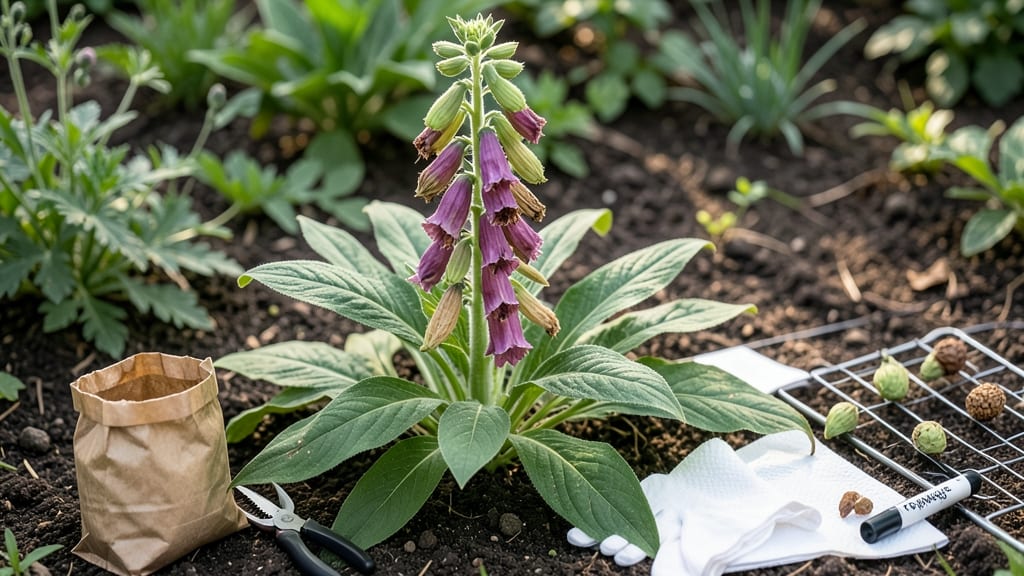
To harvest foxglove seeds at the perfect time, wait until the seed pods turn dry and brown—this is when they naturally crack open to release viable seeds 🌸.
Foxglove seeds are a gardener’s hidden treasure—if you know when and how to harvest them. Miss the window, and you’ll end up with empty pods or non-viable seeds. Here’s your step-by-step guide to collecting foxglove seeds at their peak viability.
Timing is everything: harvest too early, and the seeds won’t be fully developed; too late, and they’ll scatter on the wind. The 2-3 week window between pods turning brown and splitting open is your best shot at a successful collection.
Inside, you’ll find clear instructions on identifying the right moment, gently collecting the seeds, and storing them properly for next year’s garden. No more wasted effort—just reliable, high-quality foxglove seeds ready to grow.

When to harvest foxglove seeds: identifying the perfect pod ripeness stage
Timing is everything when harvesting foxglove seeds. These delicate plants produce seed pods that mature over 2-3 weeks in late summer or early fall. If you harvest too early, the seeds won’t be viable; too late, and they’ll scatter or lose germination potential.
The key is watching for visual cues that signal peak ripeness.
Foxglove seed pods start green and firm, then gradually turn brown and papery as they mature. This color change is your first clue that harvest time is near. However, color alone isn’t enough—you’ll also need to check the pod texture and listen for subtle sounds that reveal seed readiness.
| Pod Stage | Color | Texture | Seed Condition | Harvest Window |
|---|---|---|---|---|
| Early Maturity | Green to light brown | Firm, slightly leathery | Immature, white seeds | Not ready |
| Mid Maturity | Dry brown | Papery, begins to crack | Developing, light brown seeds | Monitor closely |
| Peak Harvest | Deep brown | Dry, splits open easily | Dark, fully formed seeds | Harvest now! |
| Overripe | Very dry, brittle | Crumbling, open pods | Scattered seeds, low viability | Too late |
The ideal harvest time occurs when foxglove seed pods turn a deep, uniform brown and begin to split open naturally. At this stage, the pods should feel dry and papery, and you’ll hear seeds rattling inside when you gently shake them.
This indicates the seeds are fully developed and ready for collection.
Climate plays a crucial role in determining the exact harvest window. In cooler regions (USDA zones 3-5), pods typically mature in late September to early October. Warmer climates (zones 6-8) may see harvests as early as mid-September.
Always account for frost risk—if a frost is forecasted, harvest immediately, even if pods aren’t fully open.
One of the most reliable foxglove seed ripeness tests is the "squeeze test." Gently press the side of a pod with your thumb. If it opens easily and releases seeds, it’s ready.
If it resists or doesn’t open, wait another 3-5 days. Overripe pods will crumble at the slightest touch, releasing seeds that may already be non-viable.
Pay attention to the seed color inside the pods. Immature seeds are white or light brown, while fully ripe seeds are dark brown or black. This color change is a clear indicator that the seeds have reached maximum germination potential.
If you see seeds that are already scattered on the ground, you’ve missed the window—those seeds will likely sprout unpredictably or fail to germinate.
For gardeners in humid climates, be extra vigilant. Moisture can accelerate pod rot or cause seeds to mold before they ripen. In these areas, harvest pods as soon as they turn brown, even if they haven’t fully opened. Dry them indoors immediately to prevent spoilage.
Remember, foxglove seeds have a limited shelf life. Once harvested, they retain viability for about 2-3 years if stored properly in a cool, dry place. But the sooner you plant them after harvest, the higher your germination success rate will be.
Don’t let perfect be the enemy of good—if pods are mostly brown and dry, they’re likely ready, even if a few aren’t fully open.
Finally, wear gloves when handling foxglove. All parts of the plant, including seeds, contain toxic compounds that can cause nausea or heart issues if ingested. Keep children and pets away from harvested seeds until they’re ready to be planted in a secure, contained garden bed.
Step-by-step foxglove seed collection: from pod opening to storage
Harvesting foxglove seeds requires patience and precision. Once your seed pods turn brown and begin cracking open, you’ve got a 2-3 week window to collect them before the seeds scatter or lose viability.
The key is acting quickly—foxglove seeds don’t stay viable for long once exposed to air. I’ve learned that morning harvests work best, as the pods are dry and easier to handle.
Before you begin, gather your supplies: paper bags, scissors, and a clean tray for sorting. Wearing gloves is wise—foxglove contains toxic compounds that can irritate skin.
I always work outdoors or in a well-ventilated area to avoid accidental exposure. The goal is to collect fully mature seeds while minimizing damage to the pods themselves.
How to Harvest Foxglove Seeds
- Step1 Identify ripe pods: Look for dry, brown pods that crack open easily. Avoid green or unopened pods—they won’t yield viable seeds.
- Step2 Bag whole pods: Place each pod in a paper bag (not plastic) to catch seeds as they fall. Label bags with the harvest date for tracking.
- Step3 Extract seeds indoors: Lay the bagged pods on a clean tray and gently squeeze to release seeds. Avoid shaking—this can damage the delicate seed coats.
- Step4 Dry seeds completely: Spread seeds on a paper towel in a dry, shaded spot for 3-5 days. Stir occasionally to prevent mold.
- Step5 Clean and store: Remove empty pods or debris with a fine mesh sieve. Store seeds in a paper envelope in a cool, dark place for up to 2 years.
After harvesting, I always test a few seeds for germination by planting them in a small pot with well-draining soil. This helps me gauge viability before committing to a full garden sowing.
Foxglove seeds often need cold stratification, so I pop the pots in the fridge for 4-6 weeks to mimic winter conditions. Patience pays off—healthy seedlings emerge stronger and more resilient.
One pro tip I’ve picked up is to harvest on dry days to prevent mold during drying. If humidity is high, I use a dehumidifier or fan to speed up the process.
Proper drying is critical—moisture-laden seeds rot quickly, and you’ll lose your entire harvest. I’ve had seasons where I rushed drying, and the seeds turned to mush overnight. Lesson learned!
Store your harvested seeds in airtight paper envelopes (not plastic) to prevent moisture buildup. Label each envelope with the variety name and harvest year—foxglove varieties like Digitalis purpurea or Digitalis grandiflora have distinct traits, and mixing them can lead to unexpected hybrids.
Keep seeds in a cool, dark place, like a seed vault or even your fridge’s crisper drawer.
With these steps, you’ll maximize your foxglove seed germination rates and enjoy a steady supply of these elegant biennials for years to come. Happy harvesting—just remember to wear gloves and keep kids and pets away from the plants! 🌸