
How To
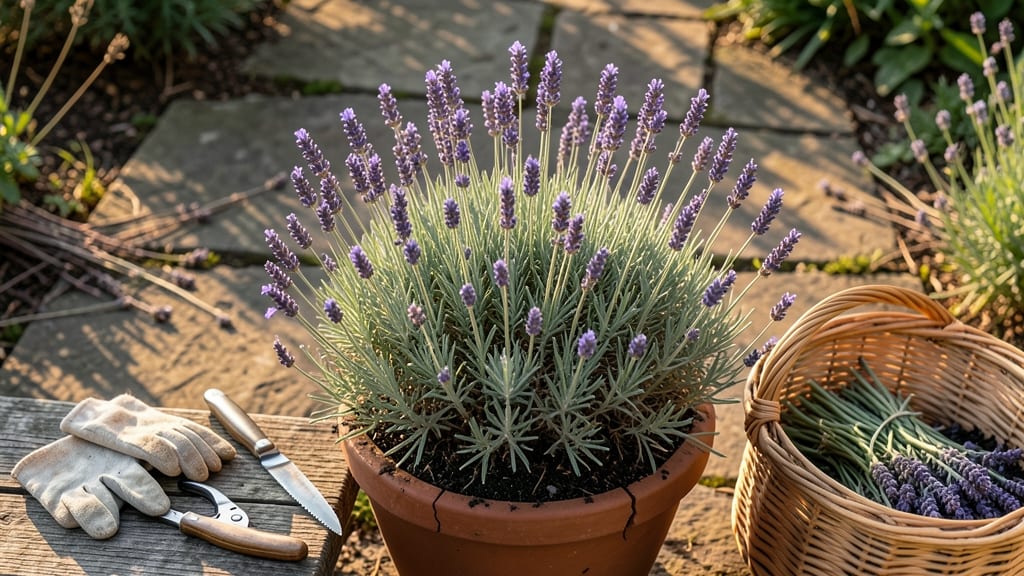
To harvest French lavender 🌿 at its peak scent and oil content, time your cuts to mid-to-late summer when buds are just beginning to bloom.
French lavender isn’t just beautiful—it’s a treasure trove of fragrance and medicinal properties, but harvesting it at the wrong time can ruin its scent and potency. Mastering the perfect timing and techniques ensures you bring home the most aromatic, therapeutic stems for drying, cooking, or crafting.
You’ll need just a few tools—a sharp pair of pruners, gloves to protect your hands, and a basket to collect the stems. The key is cutting just before the flowers fully open, when the buds are still tightly closed but turning purple.
This stage guarantees the strongest fragrance and oil content, making your harvest worth the wait.
Once you’ve mastered the harvest, I’ll walk you through the best drying methods, storage tips, and creative ways to use your lavender—so you can enjoy its benefits all year long.

When to harvest French lavender for maximum fragrance and oil content
Timing is everything when harvesting French lavender—cut too early, and you lose essential oils and fragrance; wait too long, and the stems become woody.
The peak harvest window is just as the buds turn purple but before they fully bloom, typically in mid-to-late summer (July-August in most USDA zones 5-9). This stage ensures the highest concentration of aromatic compounds and prevents bitter flavors from developing.
I’ve learned from experience that morning harvests under clear skies are ideal—dew-free stems dry faster and retain more scent. Avoid harvesting after rain or when humidity is high, as moisture can dilute the essential oil content and promote mold during drying.
Even a light breeze helps evaporate dew before you begin cutting.
Here’s my visual guide to identifying the perfect harvest moment—look for purple bud clusters that are 50-75% open, stems that feel firm and woody (not soft), and a strong, sweet fragrance when gently crushed. These cues signal the plant’s oil glands are at their peak potency.
| Harvest Stage | Key Visual Cues | Fragrance/Oil Quality | Best Time to Harvest |
|---|---|---|---|
| Bud Stage (Not Ready) | Green buds, soft stems, 🟢 | Low oil content, weak scent | Avoid harvesting |
| Early Bloom (Ideal) | Purple buds 50-75% open, woody stems, 🟣 | Peak fragrance, high oil content | Morning, dry weather |
| Full Bloom (Past Prime) | Open flowers, woody stems, 🌼 | Reduced oil content, bitter notes | Harvest only for foliage |
Seasonal timing matters too—early fall harvests (September-October) can also yield high-quality lavender, especially in cooler climates where summer heat stresses the plant. In USDA Zone 9, I’ve found that harvesting in late June works better to avoid the intense summer sun that can reduce oil potency.
Always prioritize dry, sunny days for harvesting to preserve the plant’s natural compounds.
One mistake I see gardeners make is harvesting fully open flowers. While these may look pretty, they’ve already released much of their essential oils into the air. Instead, focus on closed buds—they’re packed with the most aromatic compounds and will dry into the most fragrant bundles.
Think of it like picking green tomatoes for better flavor—timing is key!
Weather plays a sneaky role too. Hot, dry conditions before harvest actually concentrate the oils in the stems, making them even more potent. I’ve noticed that after a week of 90°F+ temperatures followed by a cool night, the lavender’s scent is at its strongest.
Keep an eye on your local forecast and plan your harvest accordingly.
For first-time growers, I recommend marking your lavender plants when the buds first turn purple. This gives you a visual reminder of the ideal harvest window. You can also crush a few buds between your fingers—if the scent is rich and floral, it’s time to harvest.
If it’s faint or grassy, wait a few days.
Pro tip: Harvest in stages rather than all at once. Cut about one-third of the stems at a time, leaving enough foliage to keep the plant healthy. This encourages bushier growth and ensures you have multiple harvests throughout the season.
I’ve had French lavender plants in my garden produce three harvests in a single summer using this method.
Finally, remember that over-harvesting weakens the plant. If you take too many stems at once, the lavender may struggle to recover, especially in drought-prone areas. Always leave at least half the plant intact to maintain its vigor for future harvests.
With the right timing and care, your French lavender will reward you with years of fragrant, therapeutic stems.
Essential tools and step-by-step harvesting techniques for French lavender
Harvesting French lavender requires the right tools and gentle hands to preserve its fragrance and oil glands. Start with a pair of sharp, bypass pruners to make clean cuts without crushing stems.
I also recommend gardening gloves to protect your skin from the plant’s oils, which can cause irritation. A woven basket or breathable bag keeps stems organized and prevents bruising during transport.
Never harvest lavender with dull tools—they crush stems and release bitter compounds. Instead, use clean, sterilized pruners and cut just above a leaf node to encourage new growth.
The key is to work in the early morning when oils are most concentrated and humidity is low, reducing the risk of mold.
When cutting, focus on non-woody stems—these are younger, more flexible, and packed with essential oils. Avoid harvesting over-mature flowers, as they lose potency and may attract pests. I like to leave the lowest third of the plant untouched to promote bushier growth in future seasons.
After harvesting, process stems quickly to prevent wilting. Bundle them in small groups (no more than 10 stems per bundle) and hang them upside down. This method allows air to circulate, preserving the aromatic compounds while drying.
Avoid using heat sources like ovens, as they can degrade the oils and diminish the lavender’s signature scent.
Once dried, store your lavender in airtight containers away from direct sunlight. Properly harvested and dried lavender can retain its fragrance for up to 12 months, making it perfect for sachets, potpourri, or even homemade lavender oil. With the right techniques, you’ll enjoy luxurious, high-quality lavender year-round.