
How To
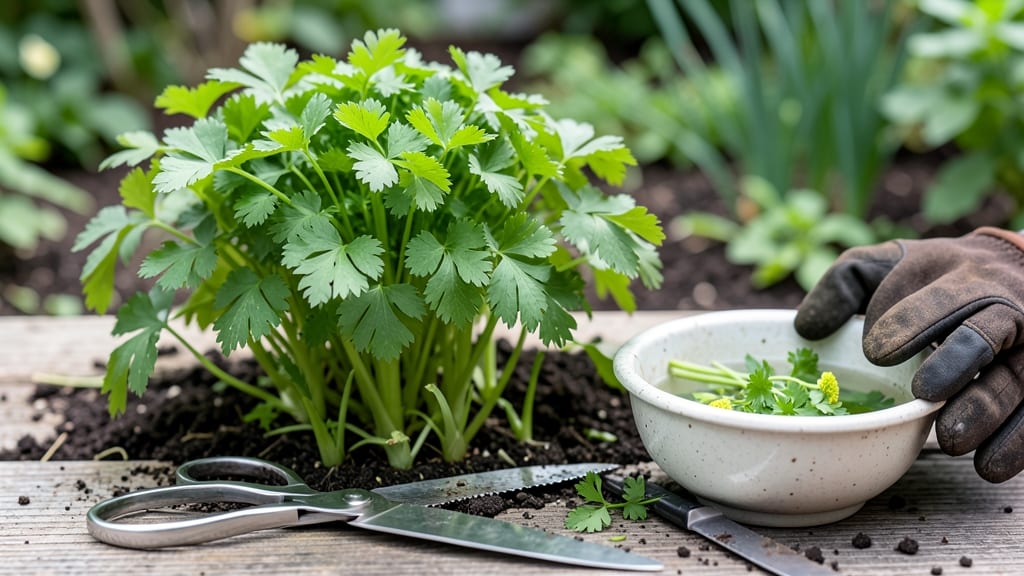
To harvest fresh parsley properly means trimming outer stems first—this keeps your plant thriving and ensures a steady supply of flavorful leaves all season long.
Fresh parsley isn’t just a garnish—it’s a versatile herb that thrives when harvested correctly, rewarding you with vibrant leaves for months. But cutting too much at once or harvesting improperly can stunt growth or even kill your plant.
You’ll want to use clean, sharp scissors or pruning shears to snip stems just above a leaf node, avoiding the center of the plant. This method encourages bushier regrowth, so you can enjoy a continuous harvest from spring through fall.
In this guide, I’ll walk you through the best time to harvest, how to store your parsley, and tips to maximize your plant’s productivity—so you never run out of fresh, homegrown flavor.

Step-by-step guide to harvesting parsley without killing the plant
Harvesting parsley correctly ensures you get fresh, flavorful leaves all season long without stressing the plant. The key is to cut stems properly and avoid removing more than one-third of the foliage at once.
Whether you grow flat-leaf or curly parsley, the same principles apply—just adjust for your variety’s growth habits.
Timing matters too. Always harvest in the morning after dew dries but before the midday heat. This ensures leaves are hydrated and less likely to wilt.
Avoid harvesting in the evening, as damp leaves can attract pests or fungal diseases. Now, let’s dive into the step-by-step process to keep your parsley thriving.
How to Harvest Fresh Parsley
- Step 1: Gather your tools—sharp pruning shears or a clean kitchen knife to make precise cuts.
- Step 2: Locate the outer stems of your parsley plant, which are the most mature leaves ready for harvest.
- Step 3: Hold the stem firmly and cut at a 45-degree angle, about 1-2 inches above the soil line to encourage new growth.
- Step 4: Never cut from the center of the plant—this can expose the growing point to sunlight and damage it.
- Step 5: Harvest only the outer stems, leaving the inner leaves intact to keep the plant healthy.
- Step 6: Rinse leaves gently under cool water to remove dirt, then pat dry with a paper towel or salad spinner.
- Step 7: Store harvested parsley in a sealed container in the fridge for up to 1 week or freeze for longer storage.
For flat-leaf parsley, which grows faster, you can harvest more frequently—every 2-3 weeks—while curly parsley may need a slightly longer recovery time of 3-4 weeks between harvests. Always leave at least half the plant untouched to ensure regrowth.
One common mistake is harvesting too much at once, which can shock the plant. If you notice yellowing leaves or stunted growth after cutting, you’ve likely taken too much. To fix this, reduce future harvests and focus on watering consistently and providing partial shade if the weather is hot.
Another pro tip: If your parsley starts to bolt (send up a flower stalk), it’s a sign it’s ready to produce seeds. You can either harvest the leaves before bolting or let it go to seed and collect seeds for next year’s garden.
Just be aware that leaves may become bitter as the plant matures.
After harvesting, always sterilize your tools with rubbing alcohol to prevent the spread of diseases like early blight or powdery mildew. A quick wipe between uses keeps your parsley—and other herbs—healthy. With these steps, you’ll enjoy a continuous supply of fresh parsley all season long.
Remember, parsley is a biennial herb, meaning it can live for two years if cared for properly. By harvesting correctly, you’ll encourage a longer lifespan and a more productive plant year after year. Happy harvesting!
How often to harvest parsley for maximum yield and longevity
Harvesting parsley at the right frequency keeps your plants productive and prevents bolting or bitter leaves. For spring harvests, trim outer stems when plants reach 6-8 inches tall, typically every 2-3 weeks once established.
This encourages continuous regrowth while maintaining flavor. In summer's heat, reduce harvesting to every 3-4 weeks to avoid stressing the plant.
Fall harvests can extend until first frost, but slow down trimming by late September to let plants store energy. Always harvest in the morning after dew dries for the freshest flavor. Never cut more than 1/3 of the plant at once, or you risk stunting growth.
| Season | Harvest Frequency | Signs It's Time | Storage Tip |
|---|---|---|---|
| Spring | Every 2-3 weeks | 6-8" tall, dark green leaves | Trim stems, store in water |
| Summer | Every 3-4 weeks | Woody stems forming | Use immediately or freeze |
| Fall | Every 4-5 weeks | Leaves turn bitter | Harvest before frost |
Watch for visual cues like yellowing leaves or stunted growth, which signal over-harvesting. If your parsley starts bolting (sending up flower stalks), it’s past its prime.
To prevent this, harvest more frequently in early spring and reduce cuts as temperatures rise. Curly parsley is more sensitive to heat than flat-leaf varieties, so adjust your schedule accordingly.
Store harvested stems in a glass of water in the fridge for up to 2 weeks. For long-term storage, freeze chopped leaves in ice cube trays or dry them in a dehydrator.
Always use clean, sharp scissors to avoid damaging stems. A well-maintained parsley plant can produce leaves for 2-3 years with proper care!
For continuous production, succession plant parsley every 2 weeks from spring to early summer. This ensures a steady supply of fresh herbs all season long. Just remember: less is more—small, frequent harvests keep your parsley thriving.
🌱