
Flowers
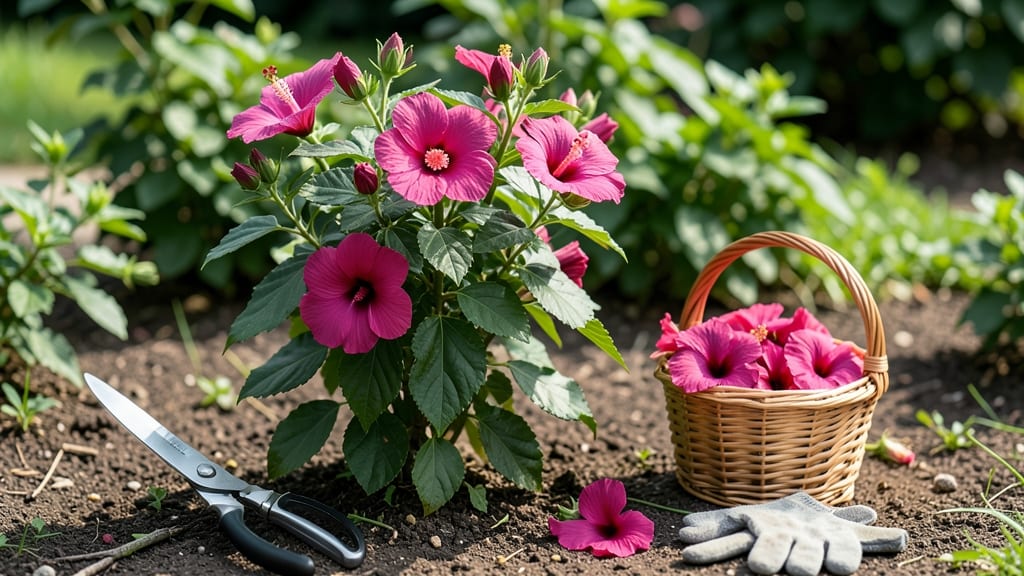
Harvesting hibiscus flowers at their peak means capturing their vibrant color, delicate scent, and even their edible or medicinal benefits—all while keeping the plant healthy and blooming.
Picture this: you’ve waited all season for your 🌸 hibiscus to burst into full, showy blooms, only to snip them too early and watch the petals wilt before you can use them.
Or worse, you miss the best morning window when their flavor and color are at their height. That’s why timing and technique matter more than you might think.
In this guide, I’ll walk you through the exact moment to harvest—whether you’re growing tropical hibiscus in Zone 6a or hardy varieties—and the simple tools you’ll need to avoid damaging stems or spreading disease.
You’ll also learn how to preserve your harvest for teas, crafts, or even salads so nothing goes to waste.
By the end, you’ll know how to turn your garden’s most striking blooms into long-lasting beauty, whether fresh or dried. Ready to get started?

Best time of day and season to harvest hibiscus flowers
Timing is everything when harvesting hibiscus flowers. Picking at the wrong moment can turn vibrant blooms into wilted messes in minutes. The best time to harvest is early morning, between 6 AM and 9 AM, when petals are fully unfurled and packed with moisture.
This timing ensures maximum color retention and flavor intensity, whether you're using them for teas, crafts, or culinary dishes.
Hibiscus thrives in warm climates, but even in temperate zones, the ideal harvest window spans from late spring through early fall. In tropical regions, you can harvest year-round, while in cooler areas, focus on summer months when blooms are most abundant.
Avoid harvesting after midday heat or before sunset, as this can cause petals to wilt faster.
- 1. Morning Harvest: Pick blooms between 6-9 AM when petals are fully open and dew-covered. This preserves vibrant colors and tender texture.
- 2. Fully Open Petals: Look for bright, unfurled petals with a mature center. Avoid buds or partially open flowers—they won’t dry well or taste as sweet.
- 3. Seasonal Timing: In temperate zones, harvest from June to September. Tropical hibiscus can be harvested year-round, but peak flavor occurs in spring and summer.
- 4. Weather Check: Harvest on dry, cloudless mornings. Avoid harvesting after rain or high humidity, as moisture speeds up wilting.
- 5. Stem Firmness: Gently squeeze the stem. It should feel firm and slightly woody, not soft or mushy.
Seasonal variations play a huge role in hibiscus harvest quality. In tropical climates, hibiscus blooms continuously, but the brightest, most flavorful flowers appear during warmer months. If you're in a USDA Zone 6-9, aim for July through September when temperatures are ideal.
Early frost can damage plants, so always harvest before the first fall frost.
Weather conditions are just as critical as timing. Harvest on cool, dry mornings to prevent petals from wilting or developing brown edges. Avoid harvesting after heavy rain, as excess moisture can cause flowers to spoil quickly.
If you must harvest in humid conditions, do so early and dry the blooms immediately to preserve their vibrant hue.
Identifying the perfect hibiscus bloom is easier than you think. Look for fully unfurled petals that are bright and uniform in color. The center of the flower should be mature and slightly raised, not flat or underdeveloped.
A firm stem with slight woodiness indicates the flower is ready for harvest. If petals are still partially closed or dull in color, wait a day or two.
For culinary use, such as hibiscus tea, harvest flowers when they’re at their peak flavor. This usually means picking younger blooms that haven’t fully opened yet, as they’re more tender.
However, for drying or crafts, fully open blooms with vibrant petals are ideal. Always use clean, sharp tools to avoid crushing stems or damaging petals.
One common mistake is harvesting overripe hibiscus flowers. These blooms often have dull petals and a shriveled center. Overripe flowers won’t dry well and may develop an off-flavor if used in teas or dishes.
To avoid this, check your plants daily in the morning and harvest only the freshest blooms.
If you’re growing hibiscus for seeds, wait until the flower has fully wilted and the seed pod begins to form. Harvest the seed pods when they’re dry and brown, then split them open to collect the seeds. This process ensures you capture viable seeds for future planting.
Pro tip: Use a small bucket of water to store freshly harvested hibiscus until you’re ready to use or dry them. This keeps petals hydrated and vibrant for up to 24 hours. If you’re drying flowers, remove leaves from the stems to prevent mold growth during the drying process.
Essential tools and techniques for clean, damage-free harvesting
Harvesting hibiscus flowers the right way preserves their vibrant color, flavor, and longevity. Using the wrong tools or techniques can crush delicate petals, spread disease, or trigger excessive sap flow.
Let’s explore the best methods to ensure your blooms stay stunning for vases, crafts, or culinary use.
Your choice of harvesting tools directly impacts flower quality. Sharp, clean tools minimize damage and reduce stress on the plant. Hibiscus stems are woody but delicate—using dull scissors or pruners can crush stems and invite pests.
Always disinfect your tools with rubbing alcohol before and after each harvest session to prevent bacterial or fungal spread.
| Tool/Technique | Best For | Pros | Cons |
|---|---|---|---|
| Bypass Pruners | Cutting woody stems | Clean cuts, minimal sap | Requires sharpness |
| Floral Scissors | Delicate petals | Precision cuts, no crushing | Smaller cutting capacity |
| Hand-Picking | Small batches, tender blooms | No tool marks, gentle | Time-consuming, risk of bruising |
| Gloves (Cotton) | Handling spiny varieties | Protects hands, reduces sap exposure | Can limit dexterity |
When harvesting, always cut stems at a 45-degree angle, about 1-2 inches below the bloom. This angle increases water absorption, extending vase life by up to 50%.
Avoid cutting too close to the base—leave enough stem to support the flower without exposing the plant to rot or pests.
Hibiscus sap can irritate skin and stain surfaces, so wear gardening gloves when handling large batches. If sap touches your skin, rinse immediately with mild soap and water. For drying or crafting, remove leaves from the stem to prevent mold growth during the preservation process.
To maximize vase life, harvest flowers in the early morning when stems are fully hydrated. Place freshly cut blooms in cool water immediately and recut stems every 2-3 days to maintain freshness. For drying, bundle stems and hang upside down in a well-ventilated, dark area for 7-10 days.
Whether you’re harvesting for culinary use, crafts, or simply admiration, these techniques ensure your hibiscus flowers stay vibrant and intact. With the right tools and a gentle touch, you’ll enjoy stunning blooms that last for weeks—whether in a vase or preserved for later use.