
How To
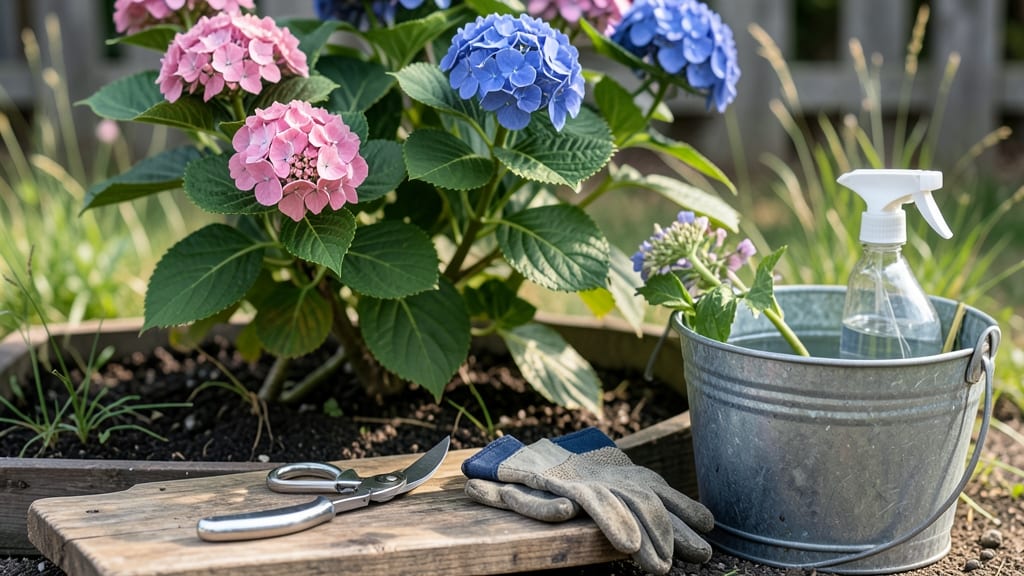
To harvest hydrangeas for the longest vase life, cut stems at a 45-degree angle when buds are firm but unopened—this simple trick keeps blooms fresh for weeks, not days.
Nothing beats the beauty of fresh-cut hydrangeas in a vase—but harvesting them wrong can shorten their vase life dramatically. Whether you’re a beginner or a seasoned gardener, the right timing and technique make all the difference.
Late summer to early fall is the prime window for harvesting hydrangeas in Zone 6, when buds are plump and stems feel woody. Mophead varieties, in particular, thrive when picked at this stage, while lacecap types benefit from a slightly earlier harvest.
In this guide, I’ll walk you through the exact steps—from choosing the right tools to preserving your blooms—so you can enjoy stunning arrangements that last as long as possible.

When and how to harvest hydrangeas for maximum vase life
Harvesting hydrangeas at the wrong stage can mean the difference between weeks of vase life and just a few days. The key? Cutting stems when buds are mature but unopened—this ensures maximum water uptake and longevity.
I’ve learned through trial (and a few wilted bouquets) that timing and technique matter more than most gardeners realize.
Most hydrangea varieties reach peak harvest readiness between late summer and early fall, typically August through October in USDA Zone 6. For example, mophead hydrangeas (like 'Endless Summer') should be harvested when their bud caps turn brown and the stems feel firm to the touch.
Lacecap varieties, on the other hand, often benefit from a slightly earlier harvest.
Before you grab your shears, here’s the golden rule: Never harvest fully open blooms. Open flowers have already absorbed most of their water, which means they’ll wilt faster in your vase. Instead, aim for tight buds with visible flower shapes—this is when they’re primed for long-lasting arrangements.
Now, let’s talk about the cutting technique, because even the best timing won’t help if you don’t cut stems correctly. The angle, length, and tools you use all play a role in how long your hydrangeas stay fresh. Here’s how I do it for maximum vase life:
Different hydrangea varieties have unique harvesting needs, so let’s break it down. Mophead hydrangeas, like 'Nikko Blue,' thrive when harvested at the tight bud stage—this variety’s large blooms stay vibrant for up to 2 weeks in a vase if cared for properly. Lacecap hydrangeas, such as 'Limelight,' often benefit from an earlier harvest since their delicate blooms can droop if left too long on the plant.
For panicle hydrangeas (like 'Little Lime'), timing is slightly more flexible. These varieties can be harvested when the buds are just starting to open, as their cone-shaped blooms hold up well even when partially open.
Meanwhile, oakleaf hydrangeas (such as 'Pee Wee') should be harvested when their buds are fully formed but still closed—their foliage is just as stunning as their flowers, so don’t overlook the leaves!
One mistake I see often is overharvesting from a single plant. Never take more than 1/3 of the blooms from one hydrangea shrub in a season—this ensures the plant remains healthy and produces next year’s flowers.
I also recommend harvesting on a cloudy day to reduce stress on the plant, especially during hot summer months.
After harvesting, give your hydrangeas a little post-care love. Remove any wilted or damaged blooms left on the plant, and water deeply to help it recover.
For extra-long vase life, add a commercial flower food packet to your arrangement—it contains sugars and acids that help hydrangeas absorb water and last longer.
With these tips, your hydrangea bouquets will stay fresh for 2 weeks or more, making every cut stem worth the effort. Happy harvesting—and enjoy those stunning, long-lasting arrangements! 🌸
Best hydrangea varieties for cut flowers and their care needs
Not all hydrangeas make equally stunning cut flowers. Mophead varieties like 'Endless Summer' dominate bouquets with their large, rounded blooms, while lacecap types like 'Limelight' offer delicate, airy arrangements. For long vase life, panicle hydrangeas such as 'Little Lime' are my top pick—their sturdy stems hold water better than most.
Each variety has unique care needs that directly impact vase life. Oakleaf hydrangeas, for example, thrive in drier conditions but require extra stem support when cut. Meanwhile, mopheads demand consistent moisture to prevent bud drop. Let’s compare the best options for cut flowers and their specific requirements.
| Variety | Best For | Stem Strength | Water Needs | Post-Harvest Tip |
|---|---|---|---|---|
| Mophead (e.g., 'Endless Summer') | Bold arrangements | Medium (needs support) | High (1 inch/week) | Recut stems underwater |
| Lacecap (e.g., 'Limelight') | Delicate bouquets | Low (thin stems) | Medium (keep moist) | Add flower food immediately |
| Panicle (e.g., 'Little Lime') | Long vase life | High (sturdy stems) | Low (drought-tolerant) | Store stems in cool water |
| Oakleaf (e.g., 'Snow Queen') | Rustic arrangements | Medium (flexible) | Medium (well-draining) | Trim leaves below waterline |
For mophead hydrangeas, I always harvest when buds are fully formed but unopened—this ensures maximum vase life of up to 2 weeks. Their thick stems hold water well, but you’ll need to recut stems underwater to prevent air bubbles from blocking water uptake.
Panicle hydrangeas are my secret weapon for long-lasting arrangements. Their cone-shaped blooms stay fresh for 3+ weeks when harvested at the right stage. I recommend cutting them when the bottom buds open but the top buds remain closed—this balance extends their display time dramatically.
After harvesting, lacecap hydrangeas need immediate flower food to prevent wilting. Their thin stems absorb water poorly, so I always add a commercial floral preservative to the vase. For oakleaf varieties, focus on removing lower leaves to reduce bacterial growth in the water.
Pro tip: Store hydrangea stems in a bucket of cool water overnight before arranging. This hydration boost keeps blooms perky for days longer. Always use clean, sharp pruners and cut at a 45-degree angle to maximize water absorption.