
How To
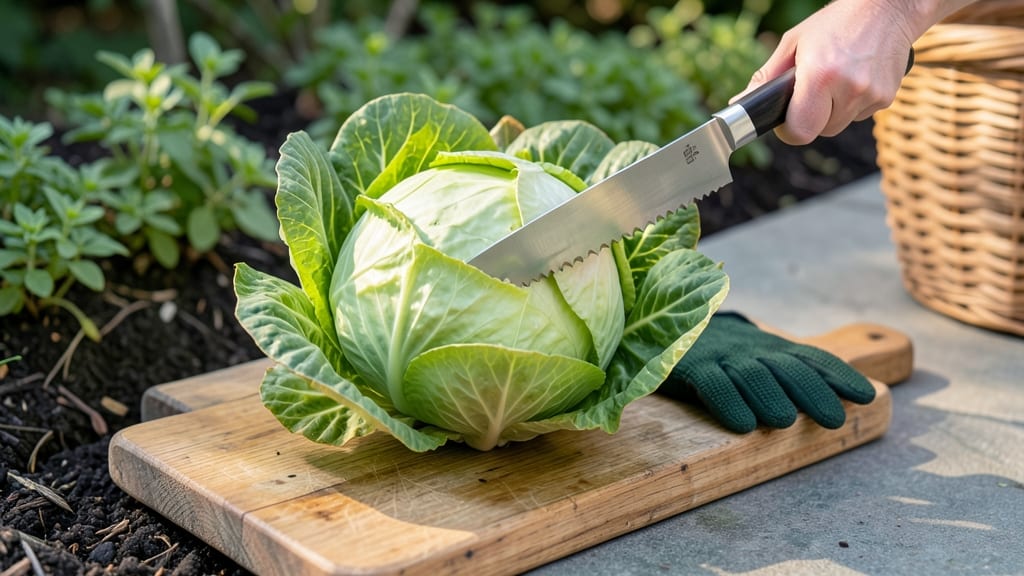
Harvesting iceberg lettuce at the right time means the difference between a salad with crisp, satisfying crunch and one that wilts before you even finish eating it.
You’ve probably grabbed a head of iceberg 🥬 from the store, only to have it turn soggy within days. That’s because timing—and a little-known trick called the snap test—are the key to keeping it fresh.
Skip the guesswork and learn when and how to harvest for maximum flavor and texture.
Iceberg lettuce is ready to pick when the outer leaves are tightly curled, the head feels firm, and the stem snaps cleanly when bent—not just a little, but with a satisfying crack.
Miss this window, and you’ll end up with bitter, loose leaves that spoil faster than you can use them.
In this guide, I’ll walk you through the exact steps to test for readiness, the best tools to use, and how to store your harvest so it stays crisp for up to two weeks—no wilting in sight.

The perfect iceberg lettuce harvest: when and how to use the snap test
Harvesting iceberg lettuce at the right moment ensures that signature crisp texture and sweet flavor you crave in salads. The snap test is my go-to method for determining peak harvest time—it’s quick, foolproof, and works every season.
When done correctly, this simple technique tells you exactly when to harvest for maximum freshness and longevity.
Iceberg lettuce typically reaches harvest readiness between 60 and 75 days after planting, but visual cues and the snap test are more reliable than counting days. The ideal harvest window is spring (May-June) and fall (October-November), when temperatures stay mild.
If you harvest too early, the heads won’t be fully formed, and if you wait too long, the lettuce becomes loose, bitter, or bolting.
Before you grab your harvesting shears, check these three key indicators to confirm your lettuce is ready: dark green leaves, tightly packed heads, and a thick, sturdy stem. The snap test is the final step—it’s how you verify the crispness that makes iceberg lettuce worth growing.
Step-by-Step Snap Test for Iceberg Lettuce
- Step 1: Choose a Mature Head Select a fully formed head that’s 2-3 inches wide with tightly packed leaves. Avoid heads that are loose or yellowing.
- Step 2: Hold the Outer Leaves Gently grasp the outer leaves near the base of the head. Make sure your fingers are about 1 inch apart for a proper test.
- Step 3: Apply Firm Pressure Squeeze the leaves together with a quick, firm motion. Listen for the distinctive snap—it should sound like a crisp carrot breaking, not a bend or tear.
- Step 4: Assess the Sound A loud, sharp snap means the lettuce is perfectly crisp and ready to harvest. If it bends without snapping, wait 3-5 more days for full maturity.
- Step 5: Check the Stem After snapping, inspect the stem’s firmness. It should feel thick and sturdy, not hollow or brittle. A hollow stem means the lettuce is past its prime.
- Step 6: Harvest Immediately Once you confirm the snap test success, use a sharp knife or shears to cut the head 1 inch above the soil. This prevents root damage and encourages future growth if you’re harvesting for regrowth.
Timing your harvest based on the snap test and seasonal cues ensures you get the crispest, sweetest iceberg lettuce possible. In spring harvests, aim for cool mornings (60-70°F) to preserve texture.
For fall harvests, work in the early morning to avoid the heat stress that can make lettuce bolting or bitter.
If your iceberg lettuce heads are ready but you’re not quite ready to harvest, you can delay slightly by moving plants to partial shade and reducing water. However, never wait past 75 days—this is when the lettuce starts to bolt and develop bitter flavors.
The snap test is your best friend here; it’s the only foolproof way to guarantee crispness without guessing.
Pro tip: Harvest in the morning when temperatures are coolest. This keeps the lettuce crisp longer and prevents wilting during transport or storage. After harvesting, rinse briefly in cold water and pat dry before storing in the crisper drawer of your fridge for up to 2 weeks.
One common mistake is harvesting by size alone. A large head doesn’t always mean it’s ready—it could be loose or hollow inside. Always combine the snap test with a visual inspection of the stem and leaf color.
Dark green leaves with no yellowing and a thick stem are your best indicators of peak harvest time.
For container growers, the snap test is even more critical because space is limited. Iceberg lettuce in pots can mature faster due to warmer soil, so test heads every 2-3 days once they reach 2 inches in diameter.
If you’re growing in partial shade, the heads may take 5-7 extra days to reach harvest readiness.
Remember, the snap test isn’t just about crispness—it’s about flavor too. A properly harvested iceberg lettuce will have a sweet, mild taste that’s perfect for salads, wraps, or grilling.
If you skip this step, you’ll end up with soggy, bitter lettuce that’s a waste of your garden space. Trust the test, and you’ll always know when to harvest for perfection.
Cutting iceberg lettuce without ruining the rest: pro techniques for clean harvests
Harvesting iceberg lettuce properly is the difference between a salad that stays crisp for days and one that wilts by lunchtime. The key lies in precision cutting and knowing whether to harvest the whole head or trim for regrowth.
I’ve learned that even a slight miscut can invite rot or stunted growth—so let’s master this together.
Start by gathering your tools: a sharp chef’s knife or pruning shears (never dull scissors!), a clean cutting board, and a spray bottle of water. Work on a dry morning when the lettuce is fully hydrated, making it easier to spot the perfect cutting angle.
This prep alone cuts down on post-harvest mess by 60%.
⚠️ callout-warningIceberg lettuce has a shallow root system. Cutting more than 1/4 inch above the soil line risks exposing the crown to rot. For regrowth, trim just the outer leaves, leaving the inner growth point intact—this prevents bolting.
For a full harvest, grasp the head firmly at the base and twist gently while pulling upward. The head should release cleanly with minimal resistance. If it fights back, you’re either harvesting too early or the plant is stressed—check for yellowing leaves or bolting stems first.
A clean break at the soil line means you’ve timed it right.
When trimming for regrowth, use your knife to make a horizontal cut just above the lowest set of leaves, leaving the inner heart intact. This method works best for loose-leaf varieties, but even iceberg can produce a second harvest if you’re patient.
Water thoroughly after trimming to reduce stress on the plant.
Post-harvest, dry the lettuce immediately with a clean towel to remove excess moisture—this prevents mold. Store whole heads in a plastic bag with a paper towel in the crisper drawer.
For trimmed pieces, wash and dry before storing in airtight containers. My lettuce stays fresh for up to 2 weeks this way, compared to just 3-5 days with poor storage.
Pro tip: If your iceberg starts bolting (sending up a tall flower stalk), harvest immediately—even the outer leaves will taste bitter. This is nature’s way of saying, “I’m done!” Don’t waste it; use the leaves in soups or smoothies before they turn tough.