
How To
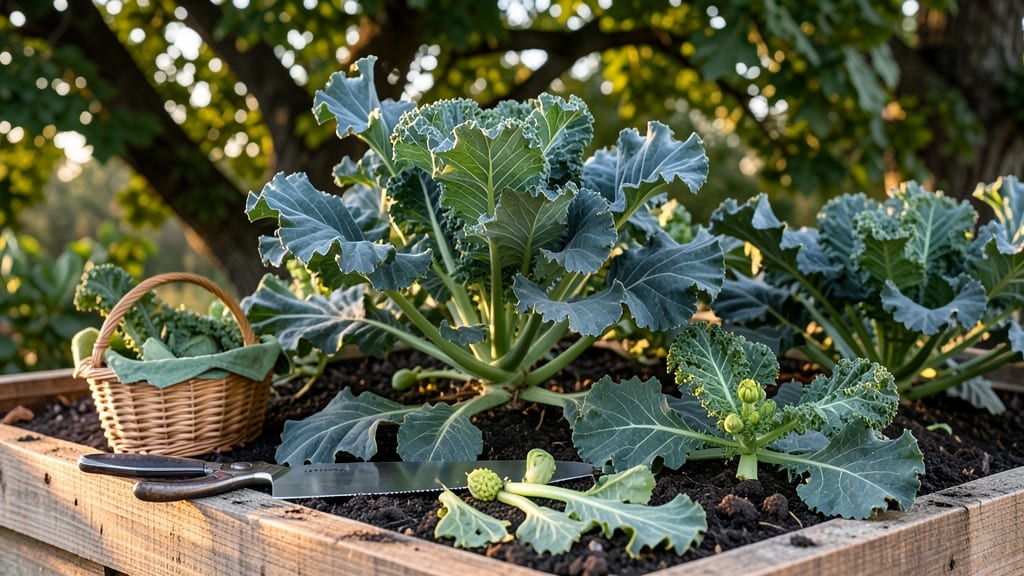
To harvest kale properly means cutting the right leaves at the right time—before they bolt or turn bitter, and without stunting the plant’s regrowth.
Picture this: you’ve nurtured your 🥬 kale for months, and now the outer leaves are perfect for salads, but you’re not sure which ones to snip. Worse, you’ve heard that harvesting wrong can leave you with a sad, stunted plant—or worse, a bitter harvest.
The good news? There’s a simple method to get the most flavorful leaves while keeping your kale producing for weeks.
Timing is everything. Kale thrives when harvested before frost hits or when leaves reach 6-8 inches, firm and vibrant. Cutting too early means missing out on flavor, while waiting too long risks bolting—or worse, a plant that quits producing.
I’ll show you exactly when and how to harvest, so you can enjoy fresh, tender leaves all season long.
Beyond the basics, you’ll learn how to store your harvest, spot signs of over-maturity, and even extend your kale’s productivity with a few pro tips. Ready to turn your garden into a never-ending supply of crisp, flavorful greens?

When to harvest kale for maximum flavor and regrowth
Timing your kale harvest correctly is the secret to bold flavor, tender leaves, and continuous regrowth. Unlike many vegetables, kale rewards patience—harvesting too early means mild, underdeveloped leaves, while waiting too long can lead to bitter, tough textures or even bolting.
The ideal window depends on your kale variety, seasonal temperatures, and leaf maturity, but mastering these factors ensures a longer harvest season and healthier plants.
Most gardeners focus on leaf size, but temperature plays an equally critical role. Kale thrives in cool weather (40–75°F) and actually sweetens under frost—a phenomenon called cold hardening. However, extreme heat or prolonged cold can stress the plant, making leaves woody or bolt prematurely.
Understanding these seasonal cues helps you time harvests for peak flavor while keeping your kale productive for months.
Hardy varieties like Winterbor or Lacinato (Dinosaur Kale) can handle light frosts and even snow cover, while tender varieties such as Red Russian or Curly Kale may bolt or yellow in heat above 80°F. Knowing your variety’s temperature tolerance ensures you harvest at the perfect moment—before stress sets in but after leaves reach full flavor potential.
Here’s the golden rule: Harvest outer leaves when they’re 6–8 inches long and deep green (or purple/red for colored varieties). The stem should feel firm under gentle pressure, and leaves should curl slightly at the edges—a sign of maturity.
If you wait until leaves are 10+ inches long, they’ll start tasting bitter and fibrous, and the plant may stop producing new growth.
| Factor | Ideal Condition | Action |
|---|---|---|
| Leaf Size | 6–8 inches long | Harvest outer leaves first |
| Temperature | 40–75°F (cool weather) | Harvest before heat stress |
| Variety Type | Hardy (Winterbor) vs. Tender (Red Russian) | Adjust timing by variety |
| Season | Spring (May–June) or Fall (Oct–Nov) | Prioritize cooler months |
| Weather Forecast | No frost in 3–5 days | Harvest before hard freeze |
Spring and fall are the best seasons for kale harvests because day lengths and temperatures align perfectly with the plant’s growth cycle. In spring, aim to harvest 4–6 weeks after transplanting or when leaves reach 60–70 days of growth.
In fall, you can extend harvests well into winter—some varieties like Winterbor stay productive under light snow—but always harvest before hard frosts (below 20°F) to avoid damage.
If you’re growing kale in hot climates (Zones 8–10), focus on fall harvests or use shade cloth to protect plants from heat stress. Kale grown in summer heat often bolts prematurely, sending up flower stalks and rendering leaves bitter and inedible.
To prevent this, mulch heavily to keep roots cool and water deeply during dry spells.
One of the biggest mistakes gardeners make is harvesting too aggressively. While kale is highly regenerative, removing more than 1/3 of the plant at once can shock the roots and stunt regrowth.
Instead, snip outer leaves every 2–3 weeks, leaving the inner leaves intact. This method ensures your kale keeps producing for 6–8 months or longer, depending on the variety and climate.
For maximum flavor, harvest in the morning after dew has dried but before midday heat intensifies. Leaves are crispest and sweetest at this time, and you’ll avoid wilting during transport.
If you’re harvesting for long-term storage, wait until late morning to ensure leaves are fully firm and dry.
Pro tip: If your kale starts to bolt (sending up flower stalks), it’s a sign the plant is stressed by heat or age. While bolting kale is still edible, the leaves
Step-by-step guide to cutting kale without damaging the plant
Harvesting kale properly ensures your plant stays productive and healthy for months. The key is to cut leaves strategically, leaving enough growth to encourage bushier regrowth. Over-harvesting weakens the plant, while the right technique keeps it thriving and producing tender, flavorful leaves all season long.
Before you begin, gather your tools: a pair of sharp pruning shears or a clean knife, and a bowl to collect your harvest. Avoid using dull tools, as they tear leaves and create entry points for pests.
Work on a dry, sunny morning when leaves are crisp and easy to handle.
How to Harvest Kale: Step-by-Step
- 1 Choose the right leaves: Select outer leaves first—they’re larger and more mature. Avoid the innermost leaves, which are still growing.
- 2 Use clean tools: Hold the leaf stem firmly and make a clean cut about 1 inch above the base. This prevents damage to the growth point and encourages new leaves.
- 3 Leave 3-4 inner leaves: Never harvest more than 1/3 of the plant at once. This ensures the plant has enough energy to regenerate and stay productive.
- 4 Prune for bushiness: After harvesting, trim any yellow or damaged leaves to redirect energy to new growth. This also improves air circulation and reduces pests.
- 5 Avoid over-harvesting: If you remove too many leaves, the plant may bolt (flower) or produce bitter leaves. Space harvests 2-3 weeks apart for continuous growth.
One of the biggest mistakes I see is plucking leaves by hand, which can tear the stem and invite disease. Always use a clean cut to keep the plant healthy. Additionally, avoid harvesting during hot afternoons, as the leaves can become stressed and wilt quickly.
After harvesting, rinse the leaves gently under cool water to remove dirt, then pat dry with a towel. Store them in a paper towel-lined container in the fridge for up to 5 days, or freeze them for longer storage.
This keeps your kale fresh and ready for salads, sautéing, or smoothies!
With these techniques, your kale plant will reward you with continuous harvests all season long. Happy harvesting—your garden (and taste buds) will thank you! 🥬