
How To
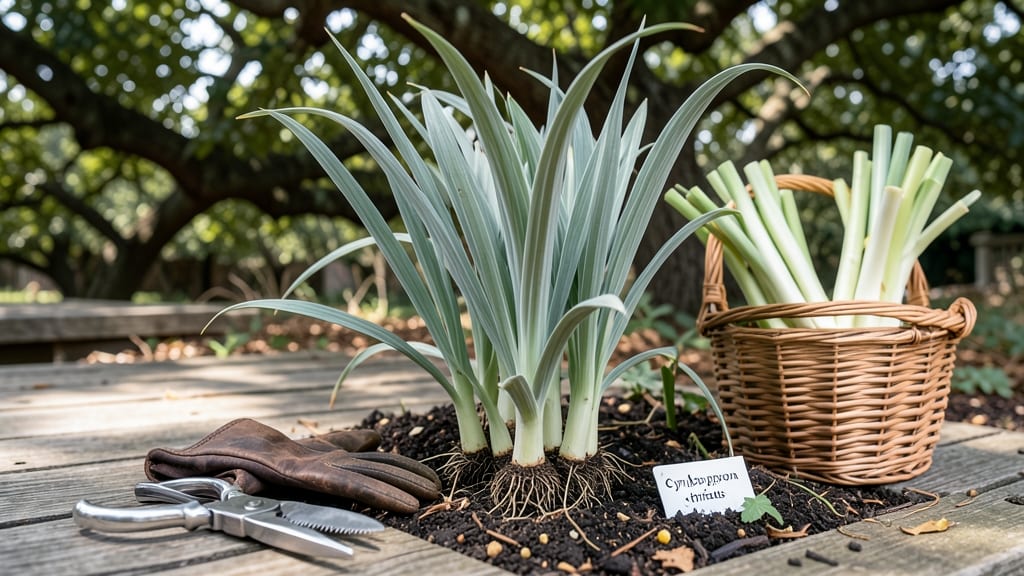
To harvest lemon grass at its peak flavor, you’ll want to wait until the stems bend easily with a gentle pressure—this means it’s mature enough for the best citrusy punch 🌿.
Lemon grass isn’t just a kitchen staple—it’s a fragrant, versatile herb that thrives when harvested at the perfect time. If you’ve ever wondered why your lemon grass tastes bland or loses its citrusy punch, the answer lies in knowing exactly when to harvest it for maximum flavor and potency.
Harvesting at the right stage isn’t just about timing—it’s also about technique. Cutting too early or too late can leave you with weak stems or bitter flavors, and the wrong method might even damage your plant.
The good news? With the right approach, you can enjoy fresh, vibrant lemon grass all season long while encouraging regrowth for future harvests.
In this guide, you’ll learn the best time to harvest, the tools you’ll need, and step-by-step techniques to ensure your lemon grass stays healthy and flavorful. Plus, I’ll share tips for storing and using your harvest so nothing goes to waste!

When to harvest lemon grass for optimal flavor and potency
Harvesting lemon grass at the right moment transforms it from a bland herb to a fragrant, citrusy powerhouse in your kitchen. The key lies in understanding its maturity cues, which include stem flexibility, leaf development, and seasonal timing.
When you miss these signs, you risk harvesting stems that are either too young (mild flavor) or overmature (bitter and woody). Let’s break down the science behind peak flavor timing so you never compromise on potency again.
Lemon grass reaches its ideal harvest window when it’s between 12-18 inches tall and the stems are hollow but still firm. This stage typically occurs 6-9 months after planting, depending on your climate.
The stem bending test is my go-to method: gently press the stem between your fingers—if it bends slightly but doesn’t snap, it’s ready. Overly soft stems mean it’s too young, while brittle stems signal it’s past its prime.
Seasonal timing plays a crucial role in flavor potency. In USDA Zone 6a or warmer, lemon grass thrives year-round, but the most flavorful harvests occur during its active growth phase—typically spring and early summer.
Avoid harvesting after the first frost (October 15 in Zone 6a), as cold temperatures reduce essential oil content. If you’re in a cooler climate, focus on harvesting between May and September for the brightest citrus notes.
The number of fully elongated leaves is another critical indicator. Aim for 4-6 vibrant green leaves per stem—this ensures maximum oil concentration, which carries the signature lemony aroma.
If your plant is flowering, it’s past its prime; flowering signals the plant is shifting energy from growth to reproduction, resulting in bitter, less aromatic stems. Always cut back flowering stalks to redirect the plant’s energy toward new growth.
For container-grown lemon grass, the harvest window is slightly shorter due to limited root space. These plants often mature faster, so monitor their growth closely. If your potted lemon grass reaches 12 inches in 4-5 months, it’s ready for harvest.
The woody base at the stem’s bottom is a final check—it should feel thick and sturdy, not spongy. This thickness correlates with higher essential oil content, giving your dishes that authentic citrus kick.
One common mistake is harvesting too aggressively, which can stress the plant and reduce future yields. Always leave at least 6 inches of stem above the soil to ensure regrowth. I recommend cutting stems at a 45-degree angle about 1-2 inches above a leaf node.
This technique promotes bushier growth and prevents disease by reducing water pooling at the cut site. Think of it as a pruning hack for continuous harvests.
If you’re growing lemon grass in partial shade, expect a slightly longer maturation time and milder flavor. Shade reduces photosynthesis, which slows essential oil production. To compensate, supplement with a balanced fertilizer (10-10-10) every 4-6 weeks during the growing season.
This boosts nutrient uptake and ensures your stems develop the boldest citrus profile possible, even in less-than-ideal light conditions.
For the ultimate flavor test, rub a freshly cut stem between your fingers. If you detect a strong lemony aroma, it’s harvest-ready. If the scent is faint, wait another week.
This simple trick saves you from harvesting underripe stems that’ll disappoint in your cooking. Pro chefs swear by this method—it’s a quick, foolproof way to guarantee potency every time.
Remember, lemon grass is a perennial in warm climates, meaning it can produce harvests for years if cared for properly. By mastering these harvesting cues, you’ll enjoy a steady supply of fragrant, flavorful stems that elevate everything from curries to teas.
The secret? Patience and attention to detail—your taste buds will thank you!
Step-by-step lemon grass harvesting guide for beginners
Harvesting lemon grass at the right time ensures maximum flavor and potency while keeping your plant healthy. The key is timing—wait until the stems reach 12-18 inches tall and bend slightly at the base.
This flexibility signals maturity, meaning the citrusy oils are concentrated in the lower 3-4 inches of the stem, where the magic happens.
Before grabbing your pruning shears, gather a few essential tools: a sharp knife or scissors, a clean cutting board, and a small container for storing your harvest.
Avoid dull blades, as they can crush the stems and reduce flavor. Work in the morning after dew dries to preserve moisture and prevent fungal issues.
How to Harvest Lemon Grass
- 1 Choose the right stems: Select 3-4 mature stalks that are hollow and firm at the base. Avoid stems with yellowing leaves or signs of pest damage.
- 2 Make clean cuts: Use sterilized pruners to cut stems 1-2 inches above the soil line. This encourages new shoots to grow from the base, ensuring future harvests.
- 3 Remove outer leaves: Peel away the dry outer layers to expose the tender inner stalk. Save these outer layers for compost or tea infusions—they still hold flavor!
- 4 Store properly: Wrap stems in a damp paper towel and place them in a sealed plastic bag in the fridge for up to 2 weeks. For long-term use, freeze or dry the stalks.
- 5 Encourage regrowth: After harvesting, water the plant deeply and fertilize lightly with a balanced 10-10-10 mix to promote new growth. Avoid over-fertilizing, which can burn the roots.
Avoid the common mistake of harvesting too early—young stems lack the bold citrus flavor you crave. Another pitfall? Cutting stems too close to the base, which can damage the crown and stunt future harvests. Always leave 1-2 inches of stem above the soil to protect the plant’s growth center.
Pro tip: If your lemon grass starts flowering, it’s past its prime. The plant redirects energy to seeds, diminishing flavor. Snip off flower buds early to redirect nutrients back to the leaves. With proper care, a single plant can yield harvests every 6-8 weeks for years!
Now that you’ve mastered the harvest, experiment with uses! The lower 3-4 inches of the stalk pack the most punch—perfect for infused oils, teas, or curries. Store extra stalks in the freezer by wrapping them in aluminum foil for up to 6 months of flavor.