
How To
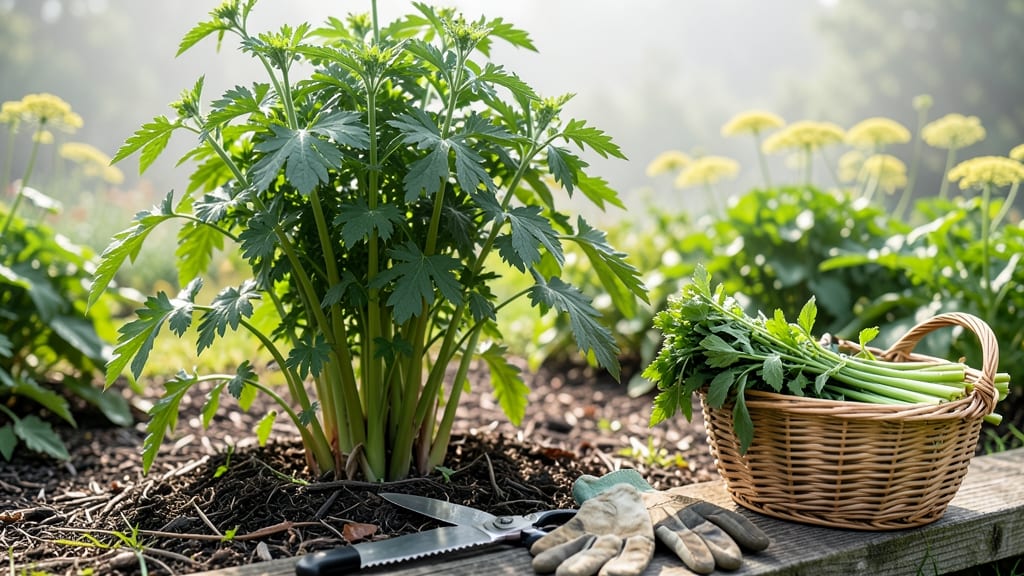
To harvest lovage at its boldest, wait until those towering stems hit 18 inches—that’s when the flavor peaks and bitterness fades.
Picture this: June’s golden light glinting off your 🌿 lovage patch, stems thick as celery and leaves humming with aroma. But harvest too early, and you’ll miss the rich, celery-like taste that makes this herb worth growing.
Timing isn’t just about height—it’s about maturity, and the difference between a good harvest and a great one comes down to knowing exactly when to reach for those shears.
You’ll need just a few simple tools: sharp pruners, a clean knife, and a basket to collect your bounty. The key is cutting stems at the base, leaving at least 6 inches to encourage regrowth.
This isn’t a one-time job—lovage rewards patience with multiple harvests throughout the summer, as long as you follow the right steps to keep the plant happy and productive.
Inside, you’ll discover the step-by-step techniques to harvest lovage without stressing the plant, plus tips for storing your harvest so you can enjoy that bold flavor long after the garden’s peak season.
Whether you’re drying stems for winter soups or freezing leaves for summer salads, this guide ensures you’ll never waste a single aromatic inch.

When and how to harvest lovage stems for maximum flavor
Lovage's bold, celery-like flavor peaks when you harvest at the right moment—typically when stems reach 18 inches tall and leaves are fully mature. This perennial herb builds flavor gradually, so patience pays off with aromatic intensity that fades if left too long.
The key is understanding lovage's growth cycle and how its chemical compounds develop over time for that signature tangy-sweet taste.
Harvesting too early means mild, underdeveloped flavor, while waiting too long risks bitterness and woody stems. The ideal harvest window spans late spring through early fall, when lovage's volatile oils are at their most concentrated. With the right technique, you'll preserve that garden-fresh aroma in every stem you cut.
- 1 Wait for 18-inch stems - Harvest when main stems reach 18 inches tall and are firm to the touch. This ensures full flavor development without bitterness.
- 2 Check leaf maturity - Leaves should be deep green and lush, with a strong aromatic scent when crushed. Immature leaves lack flavor.
- 3 Use clean pruners - Cut stems 2-3 inches above ground with sharp, sterilized pruners to avoid disease and encourage regrowth.
- 4 Harvest before flowering - Stop harvesting when flower stalks appear (typically late summer). Flowering signals flavor decline.
- 5 Time harvests properly - Pick on dry mornings after dew has evaporated. Wet stems bruise easily and spoil faster.
Lovage's flavor compounds, particularly its phytochemicals, develop most intensely during the active growing season (June through September). The plant stores nutrients in its thick stems, which is why cutting them at the base yields the most potent flavor.
For continuous harvests, cut outer stems first, allowing inner growth to mature.
Never harvest more than one-third of the plant at once, or you'll shock the root system and reduce next year's yield. Lovage is a perennial, so proper harvesting encourages robust regrowth.
The first harvest of the season is always the most flavorful, as the plant has had time to build up its aromatic oils over winter.
For maximum freshness, use harvested lovage within 3-5 days. Store stems upright in a glass of water in the fridge, just like cut flowers. This method preserves flavor for up to a week.
If you're not using it immediately, consider drying or freezing—both methods lock in flavor, though drying concentrates the aroma even further.
Pro tip: The youngest leaves at the top of the plant are the most tender and flavorful. These can be snipped throughout the season without waiting for full stem maturity. Just avoid taking more than 20% of the foliage from any single plant in one sitting to maintain its health.
Lovage's woody stems become less palatable as they mature, so always prioritize harvesting younger growth. The plant's natural regrowth cycle means you can enjoy fresh harvests from early summer through fall, with proper care.
Just remember: the earlier you harvest in the season, the more intense the flavor will be.
When harvesting lovage, always wear gloves if you have sensitive skin—the plant's oils can cause irritation in some people. After cutting, rinse stems gently and pat dry with a paper towel. Never soak lovage, as excess moisture dilutes its flavor compounds and encourages spoilage.
For culinary perfection, combine lovage's harvest with other aromatic herbs like tarragon or thyme. Its bold flavor pairs beautifully with root vegetables, potatoes, and fish dishes. When properly harvested and stored, one lovage plant can provide enough stems for dozens of meals throughout the growing season.
Lovage harvesting mistakes that ruin flavor (and how to avoid them)
Harvesting lovage at the wrong time or using improper techniques can turn that bold celery-like flavor into bitter disappointment. Even experienced gardeners sometimes make critical errors that compromise the aromatic quality of this versatile herb.
Understanding these common mistakes—and how to fix them—will ensure your lovage harvest stays flavorful and abundant.
The biggest flavor killer is harvesting too early. When lovage stems reach 18 inches tall and leaves are fully developed, that’s your cue to start cutting. Before this stage, the leaves lack the intense flavor that makes lovage so special in soups, stews, and teas.
Waiting too long, however, can also backfire—over-mature stems become woody and bitter.
Another common error is over-harvesting from the same plant. If you take too many stems at once, you’ll stunt the plant’s growth and reduce future yields. Lovage is a perennial herb, so treating it gently now means enjoying it for years to come.
Always leave at least half the stems intact after harvesting.
⚠️ callout warning ⚠️
⚠️ 3 Harvesting Mistakes That Ruin Lovage Flavor
1. Cutting at the wrong height: Always harvest just above a leaf node—never the base. This encourages regrowth and keeps stems tender.
2. Harvesting after flowering: Once lovage blooms, the flavor shifts to bitter and grassy. Snip stems before flowers appear for peak flavor.
3. Using dull tools: A sharp pruner makes clean cuts. Dull blades crush stems, causing bitterness and browning.
💡 Pro Tip: Sterilize tools with rubbing alcohol between cuts to prevent disease.
Seasonal timing is another pitfall. Lovage thrives in late spring through summer, but harvesting in fall or early winter risks exposing the plant to frost, which dulls flavor.
If you must harvest later in the season, focus on younger stems that haven’t fully matured yet. These will still pack a punch without the harshness of overripe growth.
Finally, many gardeners ignore the importance of proper storage after harvesting. Leaving freshly cut lovage in direct sunlight or high humidity causes it to wilt quickly and lose its aromatic oils.
Store stems in a sealed container in the fridge for up to 5 days, or dry them for long-term use. For best results, bundle stems and hang them upside down in a dark, dry place until crisp.
By avoiding these common mistakes, you’ll transform your lovage harvest from bitter and disappointing to bold, aromatic, and culinary-ready. The key is patience—let the plant mature fully, harvest strategically, and handle it with care. Your taste buds (and future recipes) will thank you! 🌿