
How To
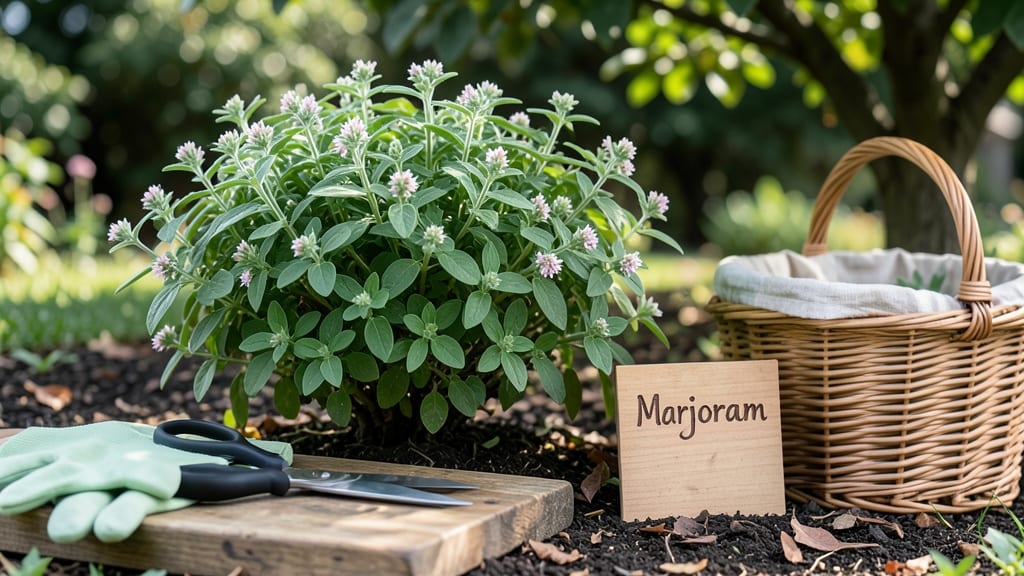
To harvest marjoram at its peak flavor and keep your 🌿 thriving, you need to time it right and use the correct techniques.
Picture this: you’ve nurtured your marjoram all season, and now it’s bursting with fragrant leaves—but harvesting too much or at the wrong time can leave you with a leggy, stressed plant. The secret lies in knowing when to snip and how much to leave behind.
Marjoram’s best harvest window runs from June through September, when the leaves are fully developed and packed with aroma. But timing isn’t the only factor—how you cut matters just as much.
A sharp pair of scissors and a light touch can mean the difference between a thriving bush and one that struggles to bounce back.
In this guide, I’ll walk you through the exact steps to harvest marjoram without harming your plant, plus pruning tricks to keep it lush and productive for months.
You’ll learn when to stop cutting, how to dry your harvest for long-term use, and even how to revive a plant that’s been over-harvested.

When and how to harvest marjoram for peak flavor and plant health
Harvesting marjoram at the right time ensures the brightest flavor and keeps your plant thriving. The best window is late spring to early summer, when leaves are fully developed but before flowering begins.
This timing guarantees the most aromatic leaves while encouraging bushier growth. Perennial varieties can even provide multiple harvests throughout the season if managed properly.
For annual marjoram, focus on harvesting in June and July when plants reach 6-12 inches tall. Perennials, however, can be harvested until early fall before frost sets in. Always prioritize leaf harvests over flowers—once blooms appear, the leaves lose their signature sweet, citrusy flavor.
| Harvest Stage | Plant Height | Best Time | Harvest Method |
|---|---|---|---|
| Early Growth | 6-12 inches | Late spring | Pinch top leaves |
| Mature Leaves | 12-18 inches | Summer (June-August) | Cut stems 3-4 inches |
| Late Season | Up to 24 inches | Early fall (before frost) | Selective leaf pruning |
Use clean, sharp scissors or pruning shears to avoid crushing stems. Cut just above a leaf node to encourage new growth. For pinching, simply remove the top set of leaves with your fingers—this method works best for young plants and promotes bushier foliage.
Never harvest more than one-third of the plant at once, or you risk stunting its growth. Perennial marjoram can handle two to three harvests per season if given proper care between cuts. Always leave at least half the leaves intact to maintain photosynthesis.
For drying purposes, harvest on a dry, sunny morning after dew has evaporated. Bundle stems together and hang upside down in a dark, well-ventilated area for 1-2 weeks. Store dried leaves in airtight containers away from light to preserve their flavor for up to a year.
If your marjoram starts looking leggy or sparse, it’s a sign of over-harvesting. Give the plant a 4-6 week break and focus on fertilizing lightly with a balanced 5-10-10 mix to encourage regrowth. Avoid heavy pruning during this recovery period.
In USDA Zone 6a, extend your harvest season by protecting plants with row covers until the first frost. This simple trick can add 2-3 extra weeks of fresh marjoram before winter sets in. Always harvest in the morning hours when essential oils are at their peak.
To maximize yield, alternate between leaf harvesting and stem cutting. Cutting stems just above a leaf node encourages branching, while selective leaf removal keeps the plant compact. This two-pronged approach ensures continuous growth and harvests throughout the season.
Remember, healthy plants produce better flavor. If your marjoram looks stressed, reduce harvesting frequency and focus on watering consistently and providing well-draining soil. With proper care, you’ll enjoy a bountiful harvest for years to come. 🌿
Pruning techniques to encourage bushier growth and longer harvest seasons
Pruning marjoram isn’t just about keeping your plant tidy—it’s the key to unlocking thicker foliage and longer harvest seasons. When done right, strategic pruning encourages your marjoram to branch out, producing more leaves for cutting while preventing that dreaded leggy, sparse look.
Think of it as a conversation with your plant: you’re telling it, "Grow wider, not taller!"
The secret lies in understanding two pruning approaches: soft pruning for yield and hard pruning for shape. Soft pruning involves gentle trims to encourage new growth, while hard pruning reshapes the plant more aggressively.
For marjoram, I recommend starting with soft pruning to maximize leaf production—this is how you’ll get the most flavorful harvests without stressing your plant.
Timing matters too. The best time to prune marjoram is in early spring or right after a harvest. Avoid heavy pruning in late summer or fall, as this can leave your plant vulnerable before winter.
And always use clean, sharp scissors to make precise cuts—dull tools crush stems and invite disease.
-
Step 1: Identify leggy stems
Look for tall, bare stems with few leaves. These are your targets for pruning to encourage bushier growth. -
Step 2: Cut just above a leaf node
Use clean scissors to trim 1/3 of the leggy stem, always cutting above a set of leaves to promote new shoots. -
Step 3: Prune for shape, not size
Remove only the top third of the plant to maintain its natural form. Avoid cutting into old wood—this won’t regrow. -
Step 4: Encourage branching
Pinch back new growth tips to force the plant to branch out. This creates a fuller, more productive bush. -
Step 5: Revive leggy marjoram
If your plant is already too tall and sparse, give it a hard pruning in early spring. Cut back half the plant to stimulate new growth from the base.
After pruning, your marjoram will need a little extra care to bounce back. Water it deeply but infrequently to encourage root growth, and feed with a balanced fertilizer (like 5-10-10) to support new foliage.
Within a few weeks, you’ll notice fresh, vibrant growth spouting from the pruned areas—proof that your efforts are paying off!
For perennial marjoram, pruning in early spring sets the tone for the entire growing season. If you’re growing it as an annual, focus on regular light pruning throughout the summer to keep the plant compact and productive.
The goal is to balance harvests with growth, so never remove more than 30% of the plant at once.
With these techniques, your marjoram will stay lush, flavorful, and ready for harvests well into fall. Plus, you’ll avoid the heartbreak of a plant that’s been over-pruned and struggles to recover. Happy pruning—your future harvests will thank you! 🌿