
How To
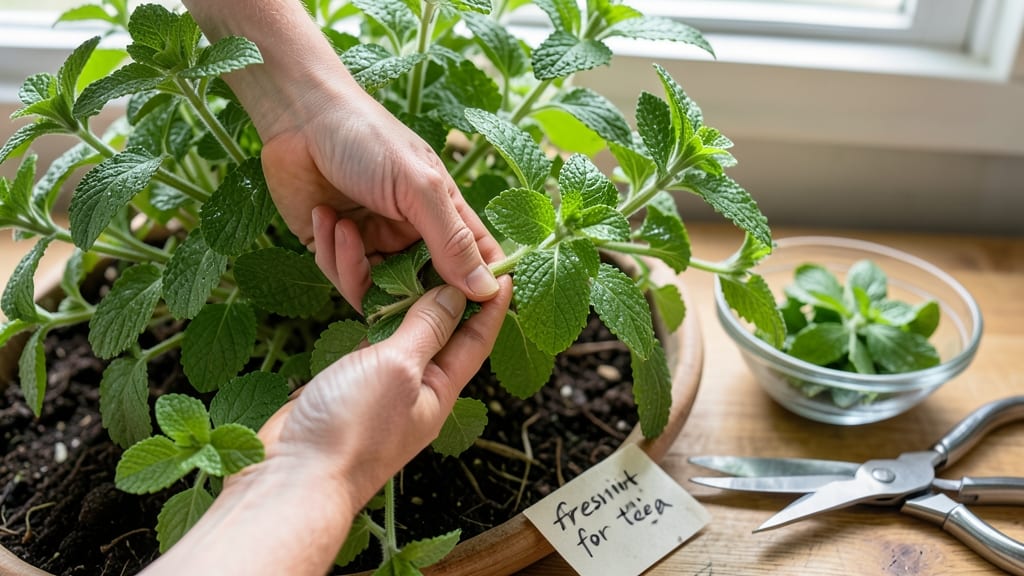
Harvesting mint leaves for tea is all about timing, technique, and knowing when to cut for the best flavor and regrowth.
If you’ve ever plucked mint leaves only to find them bitter or your plant struggling to bounce back, you’re not alone.
The secret lies in morning harvests, sharp tools, and pruning the right way—3 simple steps that make all the difference between a mediocre cup of tea and one bursting with fresh, vibrant flavor.
Mint thrives when you give it a little TLC, like cutting just above a leaf node or pinching back woody stems to encourage bushier growth. These small tweaks keep your 🌿 mint lush and productive all season long, from June through September.
Below, I’ll walk you through the exact timing, tools, and storage tips to maximize flavor, whether you’re drying leaves for winter tea or steeping fresh ones for an instant energy boost. Ready to turn your garden into a tea garden?

Best time and technique to harvest mint leaves for optimal tea flavor
Harvesting mint leaves at the right time transforms your tea from mildly fragrant to intensely aromatic. The key lies in timing—morning harvests capture the highest concentration of essential oils, which peak after a night of photosynthesis.
I’ve found that cutting stems just before flowering preserves the boldest flavor, while waiting too long lets bitterness creep in.
For young, tender leaves, focus on the top 3-4 inches of stems. These hold the most delicate flavor and regrow quickly. Mature leaves, while still usable, tend to be stronger and slightly bitter, perfect for infused oils but not ideal for light tea blends.
Always prioritize healthy stems—avoid yellowed or wilted leaves, as they dull the flavor.
Now, let’s dive into the step-by-step process to ensure you’re harvesting mint like a pro. Follow these steps to maximize flavor, encourage regrowth, and keep your plant thriving for future harvests.
Choose the Right Time
Harvest mint early morning after dew has evaporated but before the sun peaks. This ensures the highest concentration of volatile oils, which give tea its signature punch. Avoid harvesting after rain or late afternoon, as moisture dilutes flavor.
Select the Best Stems
Cut young, non-flowering stems (about ¼-inch thick) just above a leaf node. This encourages lateral branching and denser growth. Skip stems with buds or flowers, as they reduce flavor and energy for regrowth.
Use the Right Tools
Grab clean, sharp scissors or pruning shears to make precise cuts. Avoid tearing leaves, which bruises the plant and attracts pests. Sterilize tools with rubbing alcohol between uses to prevent disease spread.
Prune for Regrowth
Leave 2-3 inches of stem above the node to stimulate new growth. For a bushier plant, cut back one-third of the plant every 4-6 weeks. This mimics natural pruning and prevents the plant from becoming woody or leggy.
Store Leaves Properly
Rinse leaves in cool water to remove dirt, then pat dry with a paper towel. Store in an airtight container in the fridge for up to 1 week or freeze in ice cube trays for longer storage. For drying, bundle stems and hang upside down in a dark, dry place for 1-2 weeks.
Timing your harvest isn’t just about flavor—it’s about plant health. I’ve noticed that mint harvested in June or July (peak growing season) produces the most robust leaves, while late-season harvests in September yield milder flavors.
If you’re growing mint in containers, harvest more frequently (every 2-3 weeks) to prevent root-bound stress.
One common mistake I see is over-harvesting in a single session. Never take more than one-third of the plant at once, or you’ll stunt regrowth. Instead, spread harvests across the season to maintain a continuous supply of fresh leaves.
This also reduces the risk of pests or diseases, as a well-pruned plant stays vigorous.
Pro tip: If your mint starts flowering, remove the flower spikes immediately. Flowers signal the plant to shift energy from leaves to seeds, drastically reducing flavor and growth. Pinching off buds early keeps your mint leafy and flavorful for weeks longer.
For the best tea flavor, combine freshly harvested leaves with hot (not boiling) water—around 195°F (90°C)—to preserve delicate oils. Let steep for 5-7 minutes, then strain. The result? A bright, crisp cup that’s far superior to store-bought versions.
🌿
Tools and methods to prune mint for continuous harvesting without killing the plant
Pruning mint correctly is the secret to a year-round harvest of flavorful leaves for your tea. The right tools and techniques prevent leggy growth, encourage bushier plants, and keep your mint thriving—without stressing the roots.
I’ve tested three pruning methods that work for container or ground-planted mint, and the difference in regrowth is dramatic.
First, choose your harvesting tool. Sharp pruning shears or clean scissors are ideal for cutting stems—never tear leaves by hand. Avoid dull tools, as they crush stems and invite disease.
For smaller pinches, your fingers work fine, but always sanitize them with rubbing alcohol first to prevent bacterial spread.
Here’s how often to harvest for sustained growth: Pinch back young leaves every 2-3 weeks in spring and summer to promote bushiness. For a heavy harvest, cut back 1/3 of the plant every 6-8 weeks during peak growth.
Stop harvesting in late summer to let the plant replenish energy before winter.
| Method | Best For | Frequency | Regrowth Result |
|---|---|---|---|
| Pinching | Young leaves (1-2 inches) | Every 2-3 weeks | Bushier growth, dense foliage |
| Cutting (1/3 of plant) | Established stems (4+ inches) | Every 6-8 weeks | Taller, thicker stems |
| Topping (shearing) | Leggy or overgrown plants | Once in late summer | Compact, uniform growth |
Let’s break down the three pruning techniques I rely on. Pinching involves plucking the top sets of leaves with your fingers to redirect energy to side shoots. This is perfect for container-grown mint and keeps plants dense and manageable.
For cutting, snip stems just above a leaf node (where leaves meet the stem) to encourage new growth from that point.
When your mint gets tall and leggy, it’s time for topping. Use shears to trim the top 1/3 of the plant just above a set of leaves. This forces the plant to branch out and produces a fuller, more productive bush.
Always prune in the morning so cuts have all day to heal, reducing the risk of fungal infections.
After pruning, fertilize lightly with a balanced 5-10-10 mix to support regrowth. Water at the base (not the leaves) to prevent mildew, and place your mint in partial shade for a few days to reduce stress. With these methods, my mint plants stay productive for years without losing vigor.