
How To
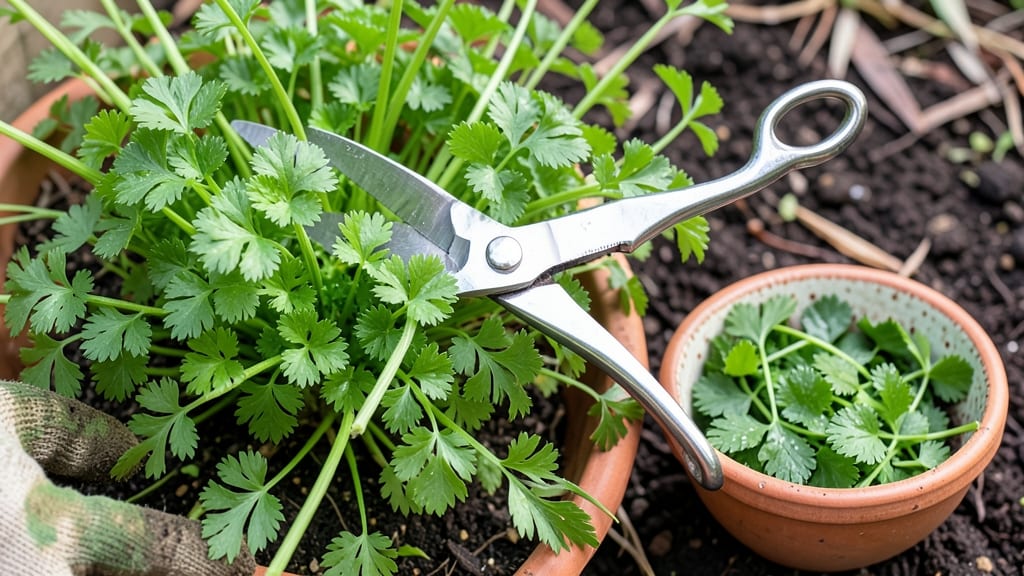
To harvest parsley so it keeps growing, focus on cutting stems just above a leaf node while leaving at least 1 inch of growth—this trick ensures your 🌿 parsley stays bushy and productive for months.
Struggling to keep your parsley thriving after harvesting? Many gardeners accidentally stunt growth by cutting too much or at the wrong time—here’s how to trim it properly so your herb stays lush and productive all season.
Parsley is a perennial in mild climates (like USDA Zone 6a) but acts as an annual in colder areas, meaning every harvest matters. The key is timing: morning cuts yield fresher leaves, and avoiding the base prevents woody stems that ruin regrowth.
Below, you’ll discover the 1-inch rule, when to stop harvesting before flowering, and how to revive parsley that’s slowed down—so you can enjoy a steady supply all spring and summer.

The perfect parsley harvesting technique: when and how to trim for regrowth
Parsley is one of those herbs that rewards patience—when harvested correctly, it can keep producing lush, flavorful leaves for months. But many gardeners accidentally kill their parsley by cutting too aggressively or at the wrong time.
The key to continuous growth lies in understanding the 1-inch stem rule and timing your harvests just right. Let me show you the exact technique I use to keep my parsley thriving all season.
First, let's debunk the biggest myth: never cut parsley at the base. This is how most gardeners accidentally stunt their plant's growth. Instead, we'll focus on selective trimming that encourages bushier regrowth.
The secret is simple—cut stems just above a leaf node where new growth can sprout. This method ensures your parsley stays productive while avoiding the shock of severe pruning.
How to Harvest Parsley So It Keeps Growing
- 🌱 Wait for maturity: Harvest only when leaves reach 4-6 inches tall with vibrant green color
- ✂️ Use clean shears: Sharp pruners prevent tearing stems and spreading disease
- 📏 Apply the 1-inch rule: Cut stems 1 inch above a leaf node (where new growth appears)
- 🌿 Trim outer leaves first: Always harvest from the outside inward to protect the center growth
- ☀️ Harvest in morning: Leaves are crispest and recovery is fastest after morning dew dries
- 💧 Water immediately after: Give your parsley a deep drink to support regrowth
- 🌱 Never take more than 1/3: Remove only 30% of growth per harvest to avoid shocking the plant
The 1-inch stem rule is non-negotiable for parsley regrowth. When you cut just above a leaf node, you're telling the plant "keep growing here" by leaving a growth point intact. This simple technique prevents the plant from going into survival mode after harvesting.
I've seen gardeners cut parsley stems flush with the base, and within weeks, those plants become sparse and leggy.
Timing matters just as much as technique. Always harvest parsley in the morning hours when leaves are fully hydrated. This gives your plant the entire day to recover before nightfall.
Afternoon harvesting leaves leaves vulnerable to evening moisture, which can promote fungal diseases. I've noticed my parsley recovers fastest when harvested between 8-10 AM on clear days.
Your tools make a difference too. Never use dull scissors—they crush stems and invite disease. Invest in a pair of sharp pruning shears (I recommend Felco F-2) that cut cleanly.
After each harvest, wipe your tools with rubbing alcohol to prevent cross-contamination between plants. This simple sanitation step has kept my entire herb garden healthy for years.
Here's what happens if you ignore these rules: Cutting at the base removes all growth points, leaving your parsley with no way to recover. Over-harvesting more than 1/3 of the plant at once causes stress that can lead to yellowing leaves and stunted growth.
Even worse, harvesting after rain can leave cut stems vulnerable to rot. I've learned these lessons the hard way—my first parsley plants nearly died from these common mistakes.
After harvesting, give your parsley some TLC. Water deeply to help it recover, and consider adding a light fertilizer (like 5-10-10) if you're harvesting frequently. The plant needs nutrients to bounce back.
In my experience, parsley harvested every 3-4 weeks with proper care can produce continuously for 6-8 months in ideal conditions. That's why I plan my harvests around this cycle rather than taking everything at once.
One final pro tip: If your parsley starts flowering, cut those stems back immediately. Flowering signals the end of the plant's productive life cycle. By removing flower stems early, you encourage more leaf growth.
I've extended my parsley's harvest season by 2-3 weeks each year using this technique. The key is constant vigilance—check your plants regularly for signs of flowering and act quickly.
With these techniques, your parsley will reward you with bushier growth, darker green leaves, and longer harvest seasons. The secret isn't complicated—it's about respecting the plant's natural growth patterns and giving it the care it needs to thrive.
Start practicing these methods today, and you'll have fresh parsley on demand all season long!
Common parsley harvesting mistakes that stunt growth (and how to fix them)
Even experienced gardeners accidentally harm their parsley by harvesting at the wrong time or using the wrong techniques. These mistakes can leave your plant looking leggy, stunted, or even bolting prematurely. The good news?
Most issues are easily reversible with the right adjustments. Let’s tackle the top 5 harvesting errors and how to fix them before your parsley turns into a sad, sparse shadow of its former self.
First, the most common mistake is over-trimming—cutting more than one-third of the plant at once. This shocks parsley, leaving it with no energy to recover. I’ve seen gardeners snip entire stems down to the base, thinking it’ll encourage bushier growth.
Instead, it signals the plant to slow down or even die back. Always leave at least 6-8 mature leaves to keep photosynthesis going strong.
⚠️ HARVESTING MISTAKES THAT KILL YOUR PARSLEY
- Cutting flower stems too early – Let parsley bloom once to seed and regrow.
- Harvesting after rain – Wet leaves spread disease and rot faster.
- Ignoring leaf color – Yellowing leaves mean nutrient deficiency or overwatering.
- Neglecting soil moisture – Parsley wilts fast when soil dries out.
- Trimming at the base – Always leave 1-inch stems to regrow.
Another critical error is cutting flower stems too early. Many gardeners assume removing flower buds will keep the plant lush, but parsley actually needs to flower once to trigger regrowth. If you snip off those delicate yellow umbels too soon, your plant may stop producing new leaves entirely.
Wait until the flowers are fully open before harvesting them, or let a few stems go to seed—this ensures your parsley will rebound with vigor.
Harvesting parsley after rain is a disease magnet. Wet leaves create the perfect environment for fungal infections like powdery mildew or downy mildew. I’ve had to toss entire pots of parsley because I ignored this rule.
Always harvest in the morning after a dry night—this gives leaves time to dry slightly and reduces the risk of rot. If you must harvest after rain, use sterilized scissors and avoid touching wet foliage.
Paying attention to leaf color is another game-changer. If your parsley leaves turn yellow or brown, it’s a red flag. Yellowing often means overwatering or nutrient deficiency, while brown edges signal underwatering or salt buildup.
Fix this by adjusting your watering schedule and adding a balanced fertilizer (like 5-10-10) every 4-6 weeks during the growing season. A quick soil test can help pinpoint the exact issue.
Finally, neglecting soil moisture is a silent killer. Parsley has shallow roots and wilts within hours if the soil dries out. I’ve seen gardeners assume parsley is drought-tolerant—it’s not. Keep the soil consistently moist (not soggy) by watering deeply in the morning.
Mulch around the base with straw or shredded leaves to retain moisture and prevent weeds from competing for water.
With these fixes, your parsley will bounce back stronger than ever. The key is patience and consistency—harvest smart, monitor leaf health, and keep the soil happy. Soon, you’ll have a bushy, aromatic parsley plant that keeps giving all season long. 🌿