
How To
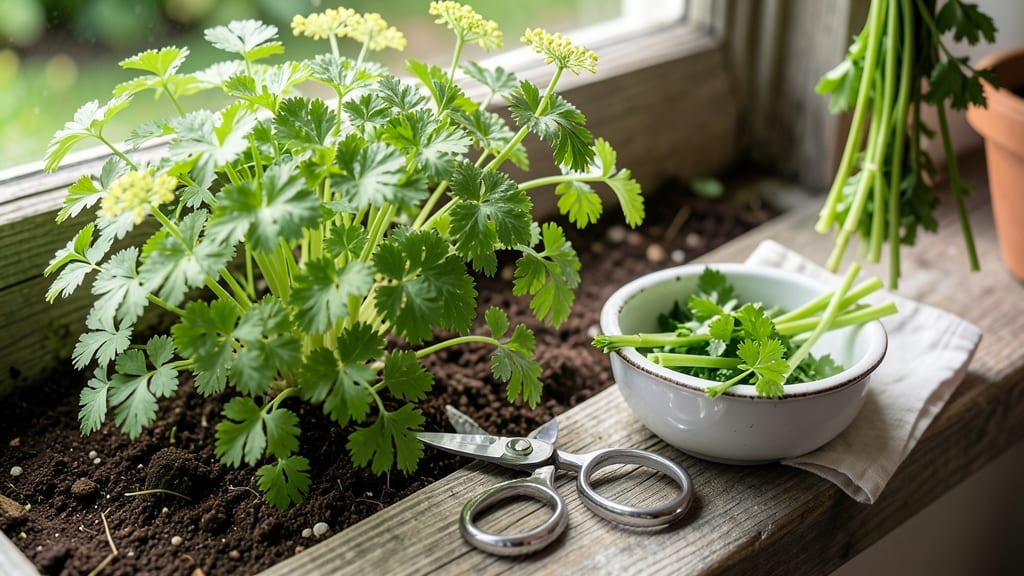
To harvest parsley to dry, pick mature leaves and stems just before flowering 🌿 — this preserves the boldest flavor and ensures your dried stash stays potent for months.
Fresh parsley adds vibrant flavor to dishes, but drying it properly ensures you never run out—even in winter. The key is timing: harvest when leaves are fully developed but before the plant bolts, or you’ll lose that bright, fresh taste.
Whether you’re air-drying bundles or using a dehydrator, the right method makes all the difference. I’ll walk you through each step, from cutting to storage, so your dried parsley keeps its aroma and nutrition for up to a year.
Skip the guesswork and learn the exact techniques to avoid common mistakes—like harvesting too late or drying too fast—that ruin flavor and shelf life.

Step-by-step guide to harvesting parsley for drying
Drying parsley is one of the best ways to preserve its bright flavor and nutritional benefits for up to a year. The key lies in harvesting at the right time using the correct techniques. If you skip these steps, your dried parsley might lose its potency or even turn bitter.
I’ve learned that timing and method make all the difference—let’s dive into the exact process I use every year.
First, you’ll want to focus on harvesting the leaves and stems before the plant bolts or flowers. This ensures maximum flavor retention. Parsley is ready for harvest when it reaches 6-8 inches tall with vibrant green leaves.
The best time to harvest is in the morning after dew has dried, when the plant’s oils are most concentrated. Avoid harvesting after rain or when the leaves are wet, as moisture can lead to mold during drying.
After harvesting, I always double-check the dryness by crushing a few leaves between my fingers. If they crumble easily, they’re ready for storage. One common mistake I see is harvesting parsley too late—once the plant bolts, the flavor becomes harsh and woody. Always prioritize early harvests for the best results.
For larger harvests, you can also trim the leaves directly from the stems instead of bundling. Simply lay them out on a clean, dry surface in a single layer, ensuring they don’t overlap.
This method works well for flat-leaf parsley, which dries faster than curly varieties. Place the tray in a warm, dry spot and stir the leaves occasionally to promote even drying.
Pro tip: If you’re short on time, you can speed up the process by using a dehydrator or low oven setting.
Just spread the leaves on the dehydrator trays or a baking sheet lined with parchment paper, set the temperature to 95°F (35°C), and dry for 2-4 hours. Avoid high heat, as it can destroy the essential oils that give parsley its flavor.
Once your parsley is perfectly dried, store it in a cool, dark place like a pantry or cabinet. Keep it away from moisture and direct light to preserve its flavor for up to <
Best methods for drying parsley: air-drying vs. dehydrator vs. oven-drying
Drying parsley correctly preserves its bold flavor and extends shelf life for up to a year. The three most effective methods—air-drying, dehydrator, and oven-drying—each have unique advantages depending on your tools and time.
I’ll break down the pros, cons, and exact steps for each so you can choose the best fit for your garden.
Air-drying is the most traditional method and requires no special equipment, but it takes patience. Dehydrators offer precise temperature control and faster results, while oven-drying is ideal for small batches. Each method affects flavor intensity and drying time differently, so let’s compare them side by side.
| Method | Equipment Needed | Time Required | Flavor Retention | Best For |
|---|---|---|---|---|
| Air-Drying | Rubber bands, twine, paper bags | 1-2 weeks | High (natural process) | Large batches, no equipment |
| Dehydrator | Dehydrator unit | 4-8 hours | Very high (controlled heat) | Quick drying, small batches |
| Oven-Drying | Oven, baking sheet | 2-4 hours | Medium (heat exposure) | Small batches, no dehydrator |
For air-drying, bundle stems together with rubber bands and hang upside down in a dark, dry spot with good airflow. This method mimics traditional herb drying and preserves the most aromatic oils. However, it requires 1-2 weeks and careful monitoring to prevent mold.
Using a dehydrator is the fastest method, with 95°F-115°F temperatures ensuring even drying in just 4-8 hours. Spread leaves on trays in a single layer to avoid clumping. This method is perfect for small batches and maintains flavor intensity better than oven-drying.
If you don’t have a dehydrator, your oven works well on its lowest setting (170°F) with the door slightly open. Place parsley on a baking sheet lined with parchment paper and dry for 2-4 hours.
Monitor closely to avoid overheating, which can burn the leaves and dull flavor.
After drying, strip leaves from stems and store in airtight containers away from light. Properly dried parsley should crumble easily between your fingers—a sign it’s ready for storage. Each method yields slightly different results, but all three will give you homegrown flavor all year round.