
How To
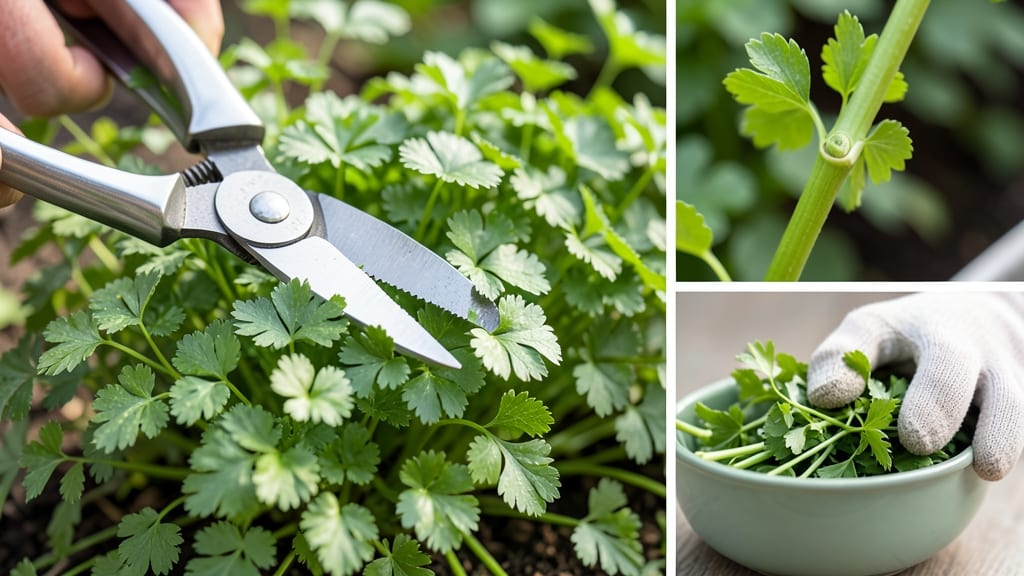
Learn how to harvest parsley without killing the plant by cutting stems just above a leaf node to encourage regrowth without damaging it—this is the secret to a thriving herb garden all season long.
Struggling to keep your parsley thriving after harvest? Most gardeners accidentally stunt growth by cutting too much or using the wrong technique—here’s how to snip leaves for a bountiful, long-lasting plant.
The key is patience and precision: never take more than a third of the plant at once, and always leave at least three sets of leaves to keep photosynthesis going.
This method works for both flat-leaf and curly parsley varieties, but timing matters. In USDA Zone 6a, harvest begins in May, just as the plant reaches 6-8 inches tall, and continues through October with staggered cuts.
A sharp pair of scissors or pruning shears ensures clean cuts that heal quickly, reducing stress on the plant.
Below, I’ll walk you through the exact cutting angles, seasonal adjustments, and signs your parsley is ready for another harvest—so you can enjoy fresh, homegrown flavor all growing season without sacrificing the plant’s health.

The perfect snip-and-grow method for parsley harvesting
Harvesting parsley the right way ensures you get fresh leaves all season long without sacrificing the plant's health. The key is using the snip-and-grow method, which focuses on cutting stems at the right angle and leaving enough foliage for regrowth.
Unlike many herbs, parsley thrives when you never harvest the roots—just the outer stems. This technique works for both flat-leaf and curly parsley, though curly varieties may need slightly gentler handling.
Many gardeners mistakenly cut too close to the base or take too much at once, which weakens the plant and slows regrowth. By following a few simple steps, you can keep your parsley lush and productive for months.
The best time to harvest is in the morning after watering, when leaves are hydrated and crisp. This method also prevents bolting—a common issue when parsley is stressed from improper harvesting.
Step-by-Step Snip-and-Grow Guide
- 1 Choose the right stems: Select outer stems that are at least 4-6 inches tall with 3-4 mature leaves. Avoid cutting the center stems first—they’re the plant’s energy source.
- 2 Use sharp scissors or pruners: Dull tools crush stems, slowing regrowth. Sterilize blades with rubbing alcohol to prevent disease. Cut at a 45-degree angle about 1/4 inch above a leaf node—this encourages branching.
- 3 Never cut more than 1/3 of the plant: Remove only outer stems to maintain the plant’s structure. Leaving the inner growth ensures the plant can recover quickly. For small plants, limit harvests to 2-3 stems per session.
- 4 Harvest in stages: Space cuts 2-3 weeks apart to allow regrowth. In spring and fall, you can harvest more frequently. During summer heat, reduce frequency to every 4-6 weeks to prevent stress.
- 5 Fertilize after harvesting: Apply a balanced fertilizer (5-10-10) 1 week post-harvest to replenish nutrients. Use 1 tbsp per plant in early morning to avoid leaf burn. Avoid fertilizing in extreme heat or winter.
- 6 Adjust for variety: Flat-leaf parsley regrows faster and can handle more frequent cuts. Curly parsley is more delicate—reduce harvests by 20% and avoid cutting small stems. Both varieties benefit from mulching to retain moisture.
Timing your harvests based on the season is crucial. In spring and fall, when temperatures are mild, parsley regrows quickly, so you can harvest every 2-3 weeks.
However, during summer’s peak heat, parsley may bolt (flower prematurely), so cut back to monthly harvests and provide afternoon shade if possible. Always harvest in the morning to preserve flavor and crispness.
After each harvest, inspect your parsley for yellowing leaves or stunted growth, which signal over-harvesting. If you notice these signs, pause harvesting for 4-6 weeks and focus on watering deeply and fertilizing lightly. Healthy parsley should bounce back with vibrant green leaves within 2-3 weeks of proper care.
For container-grown parsley, follow the same steps but reduce harvest size by 30% since roots are more limited. Use a well-draining potting mix and water every 2-3 days to prevent root stress.
Containers also dry out faster, so monitor soil moisture closely—dry soil can kill parsley faster than over-harvesting.
One common misconception is that you can harvest parsley anytime without consequences. In reality, over-harvesting in winter weakens the plant, making it vulnerable to frost damage.
If your parsley is less than 6 inches tall or has fewer than 3 mature leaves, hold off on harvesting until it’s stronger. Patience pays off—well-rested parsley produces larger, more flavorful leaves.
To maximize your parsley’s lifespan, pair this snip-and-grow method with regular pruning of any yellow or damaged leaves. This improves airflow and reduces disease risk.
With consistent care, a single parsley plant can provide harvests for 2-3 years, making it one of the most low-maintenance yet high-yield herbs in your garden.
Remember, the goal is sustainability. By treating your parsley like a renewable resource—not a one-time harvest—you’ll
Common harvesting mistakes that kill parsley (and how to avoid them)
Parsley is one of the most resilient herbs in your garden, but even the hardiest plants can suffer from harvesting mistakes. I’ve seen gardeners accidentally turn lush parsley patches into sad, stunted bushes by making simple errors.
The key is understanding what parsley needs to thrive after each harvest—like knowing exactly which stems to cut and when to stop.
Over-pruning, using dull tools, or harvesting at the wrong time can shock your parsley into bolting or dying back. Even worse, many gardeners don’t realize they’re harming their plants until it’s too late.
The good news? These mistakes are completely avoidable with the right techniques. Let’s break down the most common pitfalls and how to sidestep them for a continuous parsley harvest all season long.
⚠️ Warning: How to Harvest Parsley Without Killing the Plant
- Never cut more than 1/3 of the plant at once—this stresses parsley and slows regrowth.
- Use sharp, clean scissors (never dull knives) to avoid crushing stems and inviting disease.
- Cut stems at a 45-degree angle, 1-2 inches above a leaf node to encourage new growth.
- Avoid harvesting in extreme heat—parsley bolts faster when stressed by high temperatures.
- Skip the roots—always cut stems, never dig up the plant or pull leaves by hand.
🌱 Pro Tip: Harvest outer stems first to protect the plant’s center and encourage bushier growth.
One of the biggest mistakes I see is harvesting too aggressively early in the season. Young parsley plants need time to establish a strong root system before you start cutting.
If you snip too much too soon, you’ll end up with small, sparse leaves instead of the lush bunches you’re after. Always wait until your parsley reaches 6-8 inches tall before making your first harvest.
Another common error is using the wrong tools. Dull scissors or knives crush stems and create jagged cuts, which can introduce bacteria and fungi. Invest in a pair of sharp pruning shears or clean kitchen scissors dedicated to your garden.
Sterilize them with rubbing alcohol between uses to prevent cross-contamination. Your parsley will thank you with healthier regrowth every time.
Timing matters just as much as technique. Harvesting parsley in the middle of a hot day can shock the plant and trigger bolting—the process where parsley sends up flower stalks instead of producing leaves. Instead, plan your harvesting for cool mornings when temperatures are mild.
This gives your parsley time to recover before the heat sets in. For curly parsley varieties, this is especially critical since they’re more sensitive to temperature fluctuations.
Finally, many gardeners make the mistake of ignoring seasonal slowdowns. Parsley naturally grows slower in late summer and early fall as daylight shortens. During these times, reduce your harvest frequency to every 3-4 weeks instead of weekly.
Over-harvesting during these periods can exhaust your plant, leading to yellowing leaves or bare stems. Pay attention to your parsley’s signals—if it looks tired, give it a break!
By avoiding these common mistakes, you’ll keep your parsley thriving for years. The secret is balance: cut wisely, use the right tools, and respect your plant’s natural rhythms. With these habits, you’ll enjoy a never-ending supply of fresh parsley straight from your garden to your kitchen. Happy harvesting! ✂️🌿