
How To
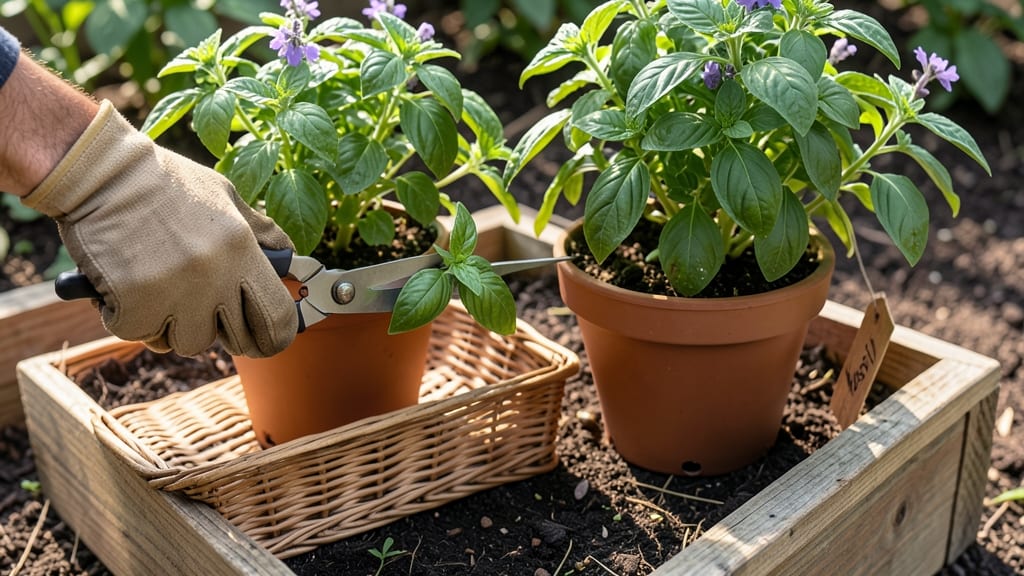
Harvesting pot plants the right way means knowing when trichomes are perfect for peak potency—because one wrong move can turn a great yield into a disappointing one.
Picture this: you’ve nurtured your 🌱 pot plants for months, watching them grow from tiny seedlings to lush, flowering giants.
But when it’s time to harvest, you’re left wondering, Did I wait too long? or Was it too soon? The truth is, timing and technique make all the difference between a mediocre harvest and one that’s truly exceptional.
In this guide, you’ll learn how to spot the perfect signs of maturity—like trichome color and plant structure—so you never miss the window again. We’ll also cover the tools and methods that protect your buds, leaves, or flowers during harvest, whether you’re growing in containers or a full garden.
From avoiding common mistakes that ruin your yield to mastering drying and curing, you’ll walk away with a step-by-step process that keeps your harvest potent, fresh, and high-quality every time.

How to check trichome maturity for optimal potency
Understanding trichome maturity is the key to harvesting your pot plants at their peak potency. These tiny, resinous glands on your plant's buds and leaves contain the majority of THC and CBD, and their appearance changes dramatically as they mature.
Without proper inspection, you risk harvesting too early (underwhelming effects) or too late (loss of potency and flavor).
To accurately assess trichome maturity, you'll need a magnifying loupe (10x-40x magnification) or a digital microscope. These tools reveal the color and clarity of trichomes, which directly correlate with cannabinoid levels. Clear trichomes indicate early maturity, while amber or cloudy trichomes signal peak potency or overripe buds.
Start by selecting a few mature buds from different parts of your plant. Focus on the calyxes (flower clusters) where trichomes are most concentrated. Use your loupe to examine the trichome heads—these are the bulbous tips that change color as they age.
Pay attention to the percentage of clear, cloudy, and amber trichomes on each bud.
| Trichome Stage | Color & Appearance | THC/CBD Levels | Best For |
|---|---|---|---|
| Clear | Translucent, glass-like heads | Low THC, high CBD potential | Early harvest (sativa-dominant strains) |
| Cloudy | Milky or opaque heads | Peak THC, balanced CBD | Optimal harvest (most strains) |
| Amber | Golden-brown, darkened heads | High CBD, lower THC | Late harvest (indica-dominant strains) |
| Frosted | White crystalline coating | Overripe, degraded potency | Avoid harvesting |
For sativa-dominant strains, aim for a 50-60% cloudy trichome ratio with the rest clear. This balance ensures a lifted, energetic high without overripe bitterness. In contrast, indica-dominant strains often peak when 60-70% of trichomes are amber, delivering a more sedative, relaxing effect with higher CBD levels.
Timing varies by strain, but most plants reach optimal maturity between 8-12 weeks after flowering begins. Keep a harvest journal to track trichome changes daily. Note the percentage of cloudy trichomes and the dominant color for each inspection. This data helps you predict future harvests more accurately.
Environmental stress, such as temperature fluctuations or nutrient deficiencies, can accelerate trichome aging. If your grow room experiences high heat or low humidity, trichomes may turn amber faster than expected. Adjust your harvest window accordingly to avoid missing the sweet spot.
For example, Blue Dream typically peaks at 55% cloudy trichomes, while Northern Lights may require up to 70% amber for optimal effects.
Always harvest on a dry, cloudy day to minimize stress on the plant. If you must harvest indoors, do so in the early morning when trichomes are least likely to degrade from heat. Use clean, sharp pruning shears to avoid crushing buds, which can damage trichomes and reduce potency.
After harvesting, dry and cure your buds properly to preserve trichome integrity. Improper drying can cause trichomes to shatter or degrade, leading to lost potency. Store your harvest in airtight glass jars in a cool, dark place to maintain freshness and maximize cannabinoid retention.
Mastering trichome inspection takes practice, but with patience, you'll develop an eye for the perfect harvest. Start with one or two plants to refine your technique before scaling up. Your efforts will pay off with potent, flavorful buds that deliver the effects you're cultivating for.
Best methods to harvest pot plants without damaging buds
Harvesting your pot plants correctly ensures you preserve potency and quality while avoiding damage. The key is knowing when to harvest—whether it’s buds, leaves, or flowers—and using the right techniques to minimize stress on the plant.
A sharp cut with the right tools and proper handling can make all the difference between a fresh, vibrant harvest and one that’s ruined by bruising or mold.
Start by deciding what you’re harvesting: buds for potency, leaves for flavor, or flowers for aesthetics. Each requires a slightly different approach, but the core principles—gentle handling, clean tools, and proper drying—remain the same.
Skipping these steps can lead to mold, loss of aroma, or even wasted yield, so let’s dive into the best methods to protect your hard work.
Step-by-Step Harvesting Guide
-
Step 1: Choose the Right Tools
Use sharp, sterilized pruning shears or clean scissors to avoid crushing stems. A glove protects your hands from resin and sap.
-
Step 2: Harvest at Peak Maturity
For buds, wait until 70% of trichomes turn amber. For leaves, harvest when fully mature but before they yellow. Flowers should be fully open but not wilted.
-
Step 3: Cut Gently and Efficiently
Make a clean cut just above a leaf node to encourage regrowth. Avoid pulling or twisting, which can damage the plant.
-
Step 4: Remove Excess Leaves
Strip away large fan leaves to improve airflow during drying, but leave small sugar leaves attached to buds for flavor.
-
Step 5: Dry in Controlled Conditions
Use a drying room with 50-60% humidity and 60-70°F temperature. Hang buds upside down with airflow on all sides to prevent mold.
-
Step 6: Cure for Maximum Potency
After drying (10-14 days), jar and cure in airtight containers for 2-4 weeks. Open jars daily to release moisture and reseal.
When harvesting leaves vs buds, timing and technique differ slightly. For leaves, like basil or mint, harvest in the morning when oils are most concentrated. For buds, wait until trichomes are amber-dominant for a balanced high.
Always use sterilized tools to prevent disease, and avoid overcrowding during drying to ensure even airflow.
One common mistake is harvesting too early for potency or too late for flavor. Overripe buds lose aroma, while underripe ones lack effects. Pay attention to plant signals, like color changes or trichome clarity, and adjust your timing accordingly.
Proper drying conditions—humidity, temperature, and airflow—are just as critical as the harvest itself.
For container-grown plants, be extra gentle to avoid root disturbance. Use well-ventilated drying spaces, like a clothesline in a breezy room, and monitor for mold or mildew daily. With these methods, you’ll preserve potency, flavor, and yield for a harvest that’s truly worth the effort. 🌿