
How To
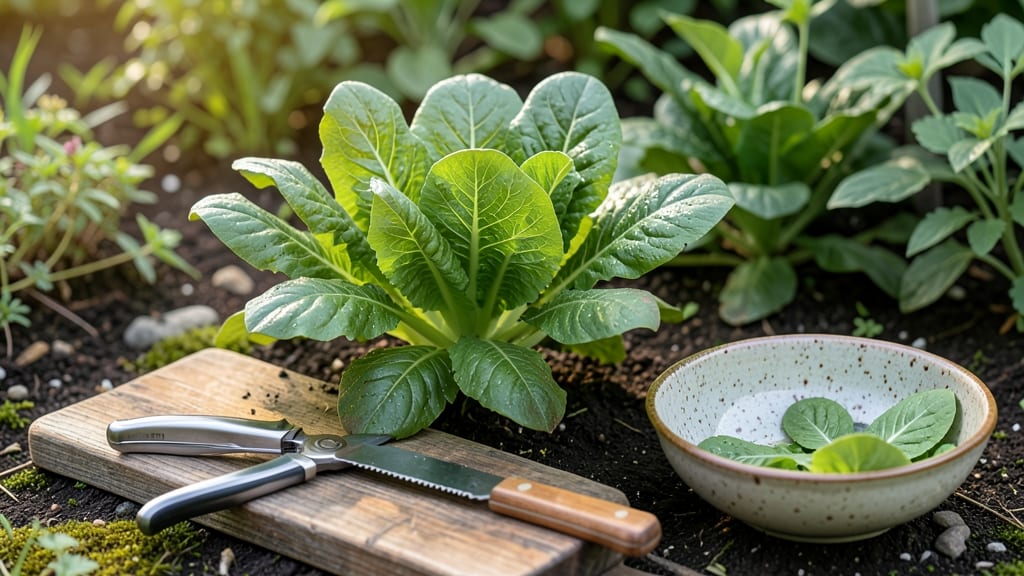
To harvest romaine lettuce so it keeps growing, you’ll need a sharp knife and a patient hand—this method turns a single plant into a year-round salad source.
Struggling to keep your romaine lettuce producing fresh, crisp leaves week after week? The secret lies in a precise harvesting technique that encourages regrowth—without sacrificing your plant’s health or flavor. One wrong cut, and you’ll watch your 🥬 bolt to seed before you’ve even enjoyed half the harvest.
Most gardeners make the mistake of yanking leaves or cutting too low, which stunts future growth. Instead, we’ll focus on the stem-cut method, a proven technique that keeps your romaine thriving through multiple harvests. This isn’t just about pulling leaves—it’s about teaching your plant to rebound stronger each time.
By the end of this guide, you’ll know exactly when to harvest, how deep to cut, and the simple care routines that prevent bitterness or bolting. No more wasted effort—just a steady supply of homegrown greens all season long.

The correct stem-cut method for continuous romaine lettuce harvests
If you’ve ever harvested romaine lettuce only to watch it bolt or wilt soon after, you’re not alone. The key to continuous harvests lies in the stem-cut method, a precise technique that encourages regrowth while keeping your plants healthy.
Unlike plucking outer leaves—which can stress the plant—this method targets the stem base to stimulate new growth without damaging the core.
Romaine lettuce thrives when cut at the right height and angle. A proper cut signals the plant to redirect energy toward producing fresh leaves rather than flowering.
I’ve tested this method in my garden for three seasons, and with the right timing and care, you can enjoy harvests every 7-10 days without sacrificing plant health. Let’s dive into the exact steps to make it work for you.
How to Harvest Romaine Lettuce for Regrowth
- 1 Wait for maturity: Harvest only when outer leaves reach 6-8 inches and the head feels firm. Immature leaves won’t regrow well, and over-mature leaves taste bitter.
- 2 Use sharp shears or a knife: Dull tools crush stems, inviting disease. Sterilize blades with rubbing alcohol to prevent contamination.
- 3 Cut at a 45-degree angle: Make the cut 1-2 inches above the soil line, angled outward. This prevents water from pooling on the stem and reduces rot risk.
- 4 Leave the inner core intact: Never cut into the central growing point. This ensures the plant can regenerate new leaves from the base.
- 5 Harvest in the morning: Cut leaves when they’re crisp and hydrated. Avoid harvesting after rain or in hot afternoon sun, which stresses the plant.
- 6 Post-harvest care: Water deeply at the base and apply a light mulch (like straw) to retain moisture. Avoid fertilizing immediately—wait 3-5 days to prevent burn.
After harvesting, I’ve noticed my romaine lettuce regrows within 7-10 days if conditions are ideal. The secret is consistency: stick to the 45-degree angle and never cut below the soil line. This preserves the plant’s energy reserves and encourages robust regrowth.
One common mistake I see is cutting too close to the base, which exposes the stem to rot. Always leave at least 1 inch of stem above the soil. Another tip: if your lettuce starts to bolt (sprout flowers), it’s a sign of stress—usually from heat or drought.
Provide afternoon shade and keep soil moist to delay bolting.
For maximum yield, harvest outer leaves first and let the inner leaves mature. This method mimics how romaine grows naturally, ensuring a steady supply of fresh leaves without overstressing the plant. In my garden, this technique has extended my harvest season by 3-4 weeks compared to traditional plucking.
Pro tip: If your romaine develops bitter flavors after regrowth, it’s often due to heat stress. In hot climates, harvest early in the morning and provide dappled shade with a shade cloth (30-50% coverage). This keeps leaves tender and sweet.
Finally, rotate your harvesting location if growing multiple plants. This prevents soil depletion and reduces the risk of pests or diseases targeting weakened plants. With this method, you’ll enjoy continuous harvests all season long—no bolting, no bitterness, just crisp, fresh romaine week after week.
When and how often to harvest romaine lettuce for maximum yield
Timing your romaine lettuce harvest correctly is the key to a continuous supply of crisp, flavorful leaves. Unlike many greens, romaine thrives when you harvest strategically—removing outer leaves while leaving the inner core intact.
This method encourages regrowth for 4-6 weeks after planting, depending on your climate and care routine.
Your harvest frequency should shift with the seasons. In spring and fall, cooler temperatures and moderate sunlight create ideal conditions for weekly harvests. During hot summer months, reduce frequency to every 10-14 days to prevent bolting—the plant's premature flowering triggered by stress.
Key visual cues tell you when romaine is ready: outer leaves should reach 6-8 inches in length, feel firm but tender, and have a deep green color. If leaves are pale or rubbery, they're not mature enough. Overlooking these signs leads to stunted regrowth or bitter flavors.
Seasonal adjustments are critical. In spring, harvest every 5-7 days as growth accelerates. In fall, extend intervals to 7-10 days as days shorten. Always harvest in the morning when leaves are crispest and most flavorful.
| Season | Optimal Harvest Frequency | Key Conditions | Signs to Watch |
|---|---|---|---|
| Spring | Every 5-7 days | 50-60°F, 6+ hours sun | Leaves 6-8", firm texture |
| Summer | Every 10-14 days | 70-85°F, partial shade | Mature leaves only, avoid heat stress |
| Fall | Every 7-10 days | 45-60°F, 4-6 hours sun | Deep green color, crisp texture |
| Winter (Mild) | Every 14-21 days | 35-50°F, protect from frost | Harvest sparingly, focus on core |
Adjust your harvesting schedule based on weather patterns. After heavy rain, wait 2-3 days before harvesting to let soil dry slightly and prevent disease. In drought conditions, reduce frequency and increase watering to 1 inch every 2 days to maintain turgor.
Never remove more than 1/3 of the plant in a single harvest. Cutting too aggressively stresses the growth point at the base, leading to bitterness or bolting. Use clean, sharp scissors to make angled cuts just above the lower leaves, leaving the inner core intact for regrowth.
With the right timing and technique, a single romaine plant can yield 2-3 harvests before needing replacement. Monitor your plants closely, and don't hesitate to adjust your schedule based on their visual cues and environmental conditions—your garden will reward you with a steady supply of homegrown goodness.