
How To
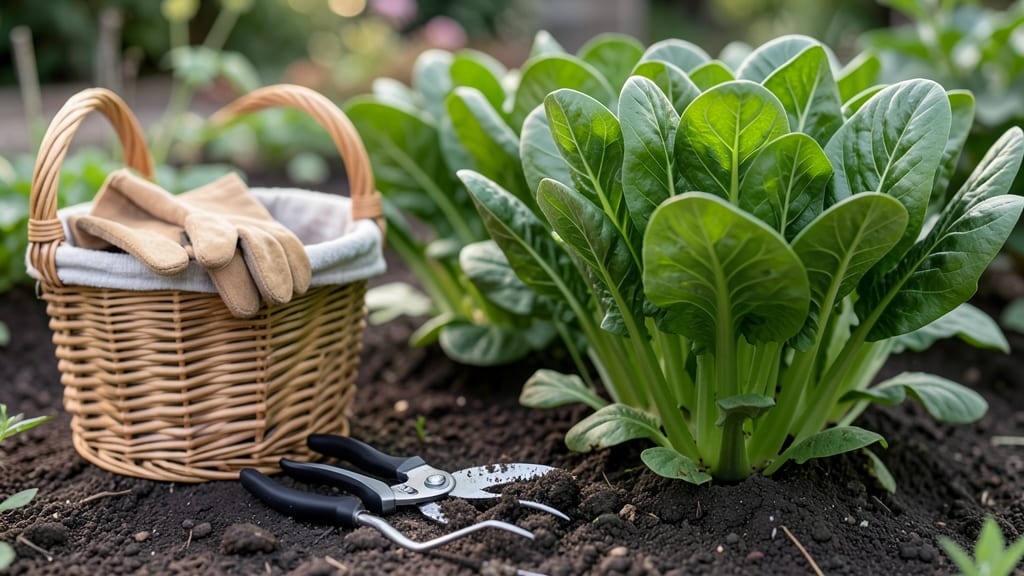
Harvesting romaine lettuce at the right time means crisp, flavorful leaves straight from your garden—no store-bought crunch can compete.
Here’s the secret: romaine 🥬 reaches its sweet spot just before bolting, when the stems snap cleanly with a gentle tug. Miss this window, and you’re left with bitter, woody stalks. I’ve learned the hard way—once you bolt, there’s no going back.
Timing isn’t just about days after planting; it’s about leaf size, color, and even the weather. A 6-8 inch leaf with deep green veins and a firm head signals it’s ready. But rush it, and you’ll end up with sad, limp greens that taste like disappointment.
In this guide, I’ll walk you through the stem snap test, the best cutting techniques, and how to coax a second harvest from your plants—so you can enjoy restaurant-quality romaine all season long.

When to harvest romaine lettuce using the stem snap test
Romaine lettuce thrives when harvested at its crispest, just before it bolts into flower stalks. The stem snap test is my go-to method to determine peak harvest time—it’s foolproof and takes less than 5 seconds.
This test helps you avoid the bitterness that develops when lettuce matures too long, while also preventing the plant from wasting energy on flowering instead of leaf production.
Timing is everything with romaine. Planting in early spring (March-April) or late summer (August) gives you the best flavor window, as extreme heat or cold can trigger bolting. In USDA Zone 6a, aim for harvests between May and September, aligning with your plant’s 60-75 day maturity timeline.
Missing this window means sacrificing that restaurant-quality crunch.
Before diving into the snap test, check these three visual cues first: leaves should be dark green and uniform, the head should feel tightly compact, and individual leaves should measure 6-8 inches long.
If you see yellowing edges or loose leaves, your romaine is past its prime or struggling.
🚨 Warning: Overharvesting Triggers Bolting
Cutting more than 1/3 of the plant at once stresses romaine, accelerating bolting. For cut-and-come-again harvests, remove only outer leaves and leave the inner heart intact. If you harvest the entire head, do it when leaves are fully mature but still crisp—never when they start to yellow or loosen.
The stem snap test works like this: grasp the base of the stem between your thumb and forefinger, about 1 inch above the soil line, and give it a firm but gentle bend. If the stem snaps cleanly with a slight resistance, your romaine is ready.
If it bends without snapping, it needs more time—usually 3-5 days. A woody or hollow stem means you’ve waited too long.
Seasonal adjustments matter! In hot climates (Zones 8-10), romaine bolts faster—harvest within 50-60 days to avoid bitterness. For cool-season varieties, extend harvests into fall by planting 6-8 weeks before first frost. I’ve found that morning harvests yield the crispest lettuce, as evening heat can make leaves limp.
Color consistency is another key indicator. Look for deep, vibrant green leaves with no yellow or brown spots. If you spot white or purple tinges, it’s a sign of stress—likely from too much sun or nutrient deficiencies.
Romaine should also smell fresh and slightly earthy; a musty or sour odor means it’s overripe.
For loose-leaf varieties, you can harvest outer leaves continuously every 2-3 weeks, encouraging regrowth. But for head varieties, time it right: harvest the entire head when the stem snaps and leaves are fully formed.
Cut with a clean, sharp knife at a 45-degree angle to prevent damage to the root system.
Pro tip: Harvest romaine in the early morning after dew has dried but before the sun peaks. This ensures maximum crispness and flavor.
Store harvested heads in the crispest drawer of your fridge (or a ventilated plastic bag with a paper towel) to extend freshness by up to 10 days. If you’re growing romaine in containers, harvest slightly earlier—potted plants often mature faster due to limited root space.
Remember, the stem snap test is your best friend for timing. Combine it with visual checks, and you’ll always harvest romaine at its peak—crisp, flavorful, and ready for your favorite salads or sandwiches. Happy harvesting! 🥬
Step-by-step romaine lettuce harvesting techniques for maximum yield
Harvesting romaine lettuce at the right moment transforms your garden into a crisp, flavorful salad source. The key lies in timing and technique—cut too early, and you lose yield; wait too long, and the leaves turn bitter.
I’ve perfected a method that ensures maximum yield while preserving the plant’s ability to regrow. Let’s break it down so you can enjoy restaurant-quality greens straight from your backyard.
Romaine lettuce comes in two main varieties: loose-leaf and head-forming. Each requires a slightly different approach, but the core principles remain the same.
For loose-leaf varieties, you’ll focus on harvesting outer leaves to encourage regrowth, while head-forming types (like 'Little Gem' or 'Parris Island') are best harvested whole when fully mature. Using the right tools and cutting methods makes all the difference in maintaining crispness and extending harvest windows.
Use a clean, sharp knife or pruning shears to avoid crushing stems. A dull blade tears leaves, inviting pests and disease. For loose-leaf varieties, sharp scissors work best for precision cuts.
Cut outer leaves at the base, leaving the inner rosette intact. Aim to remove no more than 1/3 of the plant at once to encourage regrowth. For example, if your plant has 20 leaves, harvest 6-7 outer leaves while preserving the center.
Grasp the base of the head firmly and twist gently until the head separates cleanly from the root. If the head resists, use a sharp knife to cut just above the soil line. Avoid pulling—this can damage the root system and reduce future yields.
Rinse harvested leaves in cool water to remove dirt and debris. Pat dry with a clean towel or paper towels to prevent moisture buildup. Store in an airtight container lined with a paper towel in the fridge for up to 7 days—or wrap loosely in a damp towel for even longer freshness.
After harvesting, water the plant deeply to replenish moisture. Apply a light dose of balanced fertilizer (5-5-5) to support regrowth. Keep the soil consistently moist and provide partial shade if temperatures exceed 85°F to prevent bolting.
Watch for tall flower stalks or bitter-tasting leaves—signs of bolting. If this happens, harvest remaining leaves immediately and compost the plant. To prevent bolting in future harvests, avoid stressing the plant by keeping it well-watered and shaded during heatwaves.
One common mistake I see is over-harvesting—cutting too many leaves at once or harvesting the entire plant. This stresses the romaine and can lead to premature bolting or stunted regrowth.
Instead, think of your harvest as a sustainable practice: take what you need, leave the rest to grow back bigger and better. For example, if you’re growing 'Black Seeded Simpson' (a loose-leaf variety), you can expect 3-4 harvest cycles per season with proper care.
Pro tip: Harvest in the early morning when leaves are at their crispest. The cooler temperatures help preserve texture, and you’ll avoid the wilt that comes from midday heat.
If you’re growing romaine in containers, be extra gentle with the roots—these plants have shallower root systems and can be more delicate. Always use a small trowel or knife to lift the plant if needed, and return it to the pot immediately after harvesting.
With these techniques, you’ll enjoy fresh, crisp romaine for weeks—and maybe even months—depending on your climate. The secret is patience and precision: harvest at the right time, use the right tools, and give your plants the care they need to bounce back.
Soon, you’ll be the envy of your neighborhood with homegrown greens that rival the best farmers' market finds. 🥬