
How To
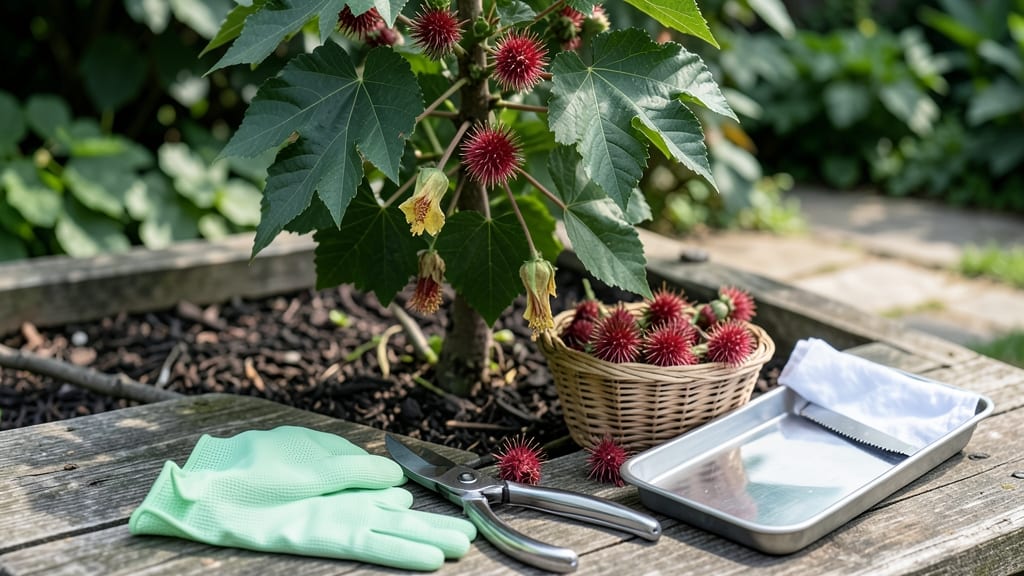
Harvesting roselle hibiscus at the right time unlocks its boldest flavors for teas, jams, and stews—so timing is everything.
Picture this: you’ve waited months for your 🌺 roselle to thrive, only to pick a bitter calyx because you missed the sweet spot. That’s the difference between a harvest worth celebrating and one that goes straight to the compost.
I’ve made that mistake (twice), and now I’m sharing the 3 visual cues that guarantee peak sweetness every time.
You don’t need a degree in botany—just your eyes and fingers. A reddish-purple calyx that’s 3–4 inches long, firm to the touch, and snaps cleanly when twisted is your ticket to flavor-packed harvests. Skip this step, and you’ll end up with a batch that tastes like disappointment.
Below, I break down the exact technique for cutting, storing, and using your roselle—plus the common pitfalls that turn good harvests sour. Ready to turn your garden into a flavor factory?

3 Visual cues to harvest roselle hibiscus at peak flavor
Harvesting roselle hibiscus at the wrong stage means sacrificing flavor and yield. The calyx (flower bud) must be picked at its sweetest point—just before blooming—to avoid bitterness. I’ve learned the hard way that waiting too long turns those vibrant buds into tough, fibrous messes.
Let’s focus on the three visual cues that guarantee perfect timing, so you never miss another harvest window.
First, pay attention to the color change. Immature calyxes are bright green, but the ideal harvest color is a deep reddish-purple hue. This shift signals the sugar content is peaking, and the texture is firm yet tender.
I always compare mine to a ripe plum—same rich color, same readiness. Overripe calyxes darken to almost black, a sure sign they’ve passed their prime.
Next, check the size and shape. The perfect calyx measures 3-4 inches long and forms a tight, elongated tube. If it’s shorter than 2 inches, it’s still developing; if it’s longer than 4 inches, it’s likely overripe.
I use a small ruler to check—it’s a quick way to avoid guesswork. The shape should be plump and symmetrical, never shriveled or split.
Finally, test the bud maturity with a gentle touch. A ready-to-harvest calyx feels firm but slightly pliable, like a ripe avocado. Press lightly—if it gives slightly under pressure, it’s perfect.
If it feels mushy, it’s overripe; if it’s rock-hard, it’s underripe. This tactile check is my foolproof method for consistency.
Timing your harvest based on these cues ensures you’re always picking at the peak of flavor. I’ve found that morning harvests yield the sweetest calyxes because the plant’s moisture content is highest after a night’s rest.
Plus, harvesting early in the day gives you time to process or store them before the heat sets in.
Another pro move is to harvest regularly—every 2-3 days—to encourage more buds to form. When I skip harvests, my roselle plants focus energy on fewer buds, and those few become overripe faster. Think of it like pruning: consistent harvesting boosts yield and quality throughout the season.
If you’re growing roselle in warmer climates, you might harvest year-round, but always check the visual cues. In cooler zones, focus on the peak summer months (July-August) when growth is most vigorous.
I’ve even seen roselle produce a second flush of buds in fall if conditions are right—just watch those color changes!
One common mistake I see is assuming all calyxes on a plant are ready at once. Check each bud individually—some may be perfect while others lag behind. I use a small notebook to track which branches produce the earliest buds, so I can prioritize those during harvests.
This small habit saves time and ensures I’m always picking at the right stage.
Finally, don’t forget to leave some buds on the plant if you want seeds for next year. The ones that bloom fully will produce seed pods, which you can collect in late fall.
But if your goal is flavor, prioritize those 3-4 inch reddish-purple calyxes—they’re your ticket to the best roselle harvest ever.
Step-by-step harvesting technique to preserve roselle quality
Harvesting roselle hibiscus at the right time ensures maximum flavor and texture. The key lies in timing and technique—both critical for preserving the tart-sweet qualities that make this plant so prized in teas and dishes.
If you miss the window, you risk bitter or mushy calyxes that ruin your harvest. Let’s break it down into simple, actionable steps so you can enjoy fresh roselle for months.
First, gather your tools: a pair of sharp pruning shears, a clean bucket, and gloves to protect your hands. Work on a dry morning when the calyxes are firm and dew-free.
This reduces moisture loss and keeps your harvest fresh longer. Avoid harvesting after rain, as wet calyxes are prone to rotting or mold.
- Step 1: Locate fully formed calyxes that are 3-4 inches long and reddish-purple in color. Avoid green or overripe buds.
- Step 2: Hold the stem firmly and make a clean cut just above the leaf node using pruning shears. This encourages new growth and prevents damage.
- Step 3: Gently twist the calyx from the stem if it snaps easily—this is a sign of maturity. Place harvested calyxes in your clean bucket immediately.
- Step 4: Rinse the calyxes briefly under cool water to remove dirt, then pat them dry with a paper towel or clean cloth.
- Step 5: Store harvested roselle in the fridge for up to 1 week in a paper bag or breathable container to maintain freshness.
- Step 6: For long-term storage, dry the calyxes in a well-ventilated area for 3-5 days or use a dehydrator on low heat. Store dried calyxes in an airtight container away from light.
After harvesting, inspect your plants for signs of stress or pests. Roselle hibiscus is hardy, but over-harvesting can weaken the plant. Aim to leave at least 3-4 calyxes per stem to ensure continued flowering.
If you notice yellowing leaves or stunted growth, adjust your watering or fertilizer routine to support recovery.
Proper post-harvest care is just as important as the harvest itself. Once dried, roselle calyxes can be ground into powder for teas or used whole in culinary dishes. The longer you store them, the more intense their flavor becomes, making them perfect for seasonal cooking or gift-giving.
With these techniques, you’ll enjoy homegrown roselle all year round.
Remember, the secret to success lies in consistency. Harvest regularly—about once every 2-3 weeks—to encourage continuous blooming. Keep your tools clean, your hands gentle, and your storage conditions ideal.
That way, every calyx you harvest will be bursting with flavor and ready for your favorite recipes. 🌺