
How To
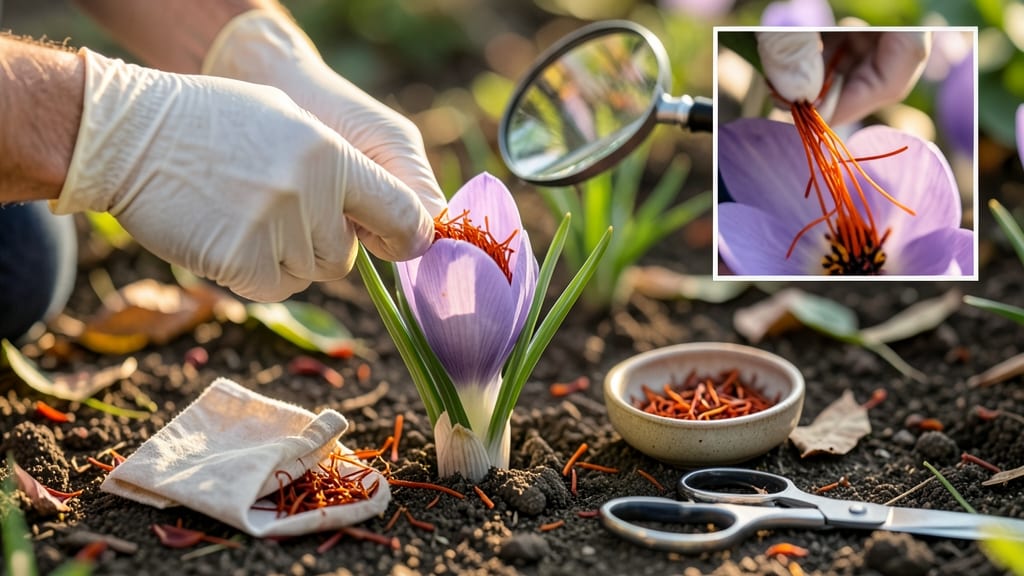
To harvest saffron from crocus means plucking the three vibrant stigmas from each 🌼 flower at the perfect moment—too early, and they’re underdeveloped; too late, and they lose potency.
Picture this: you’ve nurtured your Saffron Crocus for months, only to realize that harvesting these tiny threads is trickier than it looks. One wrong move, and you’re left with broken stigmas or wasted blooms.
But with the right timing and technique, you can turn a handful of flowers into a golden harvest worth its weight in spice.
This guide breaks down the three-stage process—from identifying peak-ready flowers to gently extracting and drying the stigmas—so you maximize yield without stressing your plants. No more guessing whether those orange threads are ready or ruined.
By the end, you’ll know exactly when to harvest (late September to October in Zone 6a), how to spot perfect stigmas, and the best way to store them for that signature saffron aroma. Let’s get started.

3 Critical stages of saffron harvesting from Crocus flowers
Harvesting saffron from Crocus sativus requires precision timing and gentle handling to preserve the delicate stigmas. Unlike most flowers, you’re not harvesting petals—you’re extracting the three vibrant red threads from each bloom. The 3-stage process begins with flower selection, moves to stigma extraction, and ends with careful post-harvest handling.
Missing any step can reduce yield or ruin quality, so let’s break it down stage by stage.
First, understand that saffron stigmas are only viable for 24-48 hours after the flower opens. This short window means you must act quickly once you spot fully bloomed crocus flowers.
The ideal harvest time is early morning when dew is still present but temperatures are cool—this prevents wilting and preserves stigma integrity. If you miss the morning window, avoid harvesting later in the day, as heat stress can damage the stigmas.
Now, let’s dive into the 3 critical stages with a step-by-step approach to ensure you maximize your saffron yield without compromising quality. Each stage demands attention to detail, from identifying the perfect flower to storing your harvest properly.
Step 1: Selecting Mature Flowers
- Timing: Harvest only on cool, dry mornings (5-9 AM) when flowers are fully open.
- Visual Cues: Look for vibrant purple petals and bright orange-red stigmas that extend 1-1.5 inches.
- Avoid: Flowers with wilted petals or pale stigmas—these yield low-quality saffron.
- Tool: Use sharp scissors or clean pruning shears to cut stems at the base.
Step 2: Extracting the Stigmas
- Gear Up: Wear gloves and use a magnifying glass for precision.
- Technique: Gently pinch the stigma base with tweezers or fingers and pull upward.
- Yield Tip: Each flower yields 3 stigmas—never pull harder than needed to avoid breakage.
- Discard: Remove any stigmas with green tips or damaged threads immediately.
Step 3: Post-Harvest Handling
- Drying: Spread stigmas on paper towels in a single layer in a shady, dry place (avoid direct sunlight).
- Timeframe: Dry for 2-3 hours until stigmas become brittle and crumbly.
- Storage: Store in an airtight container (glass jars work best) in a cool, dark place.
- Quality Check: High-quality saffron should snap when bent and release a powerful aroma.
During Stage 1: Flower Selection, many gardeners make the mistake of harvesting partially open flowers or waiting until afternoon. This leads to underdeveloped stigmas or wilting, both of which reduce yield.
Always prioritize fully bloomed flowers with bright orange-red stigmas—these are your goldmine. Pro tip: Use a white background to spot the stigmas more easily against the purple petals.
In Stage 2: Stigma Extraction, the biggest challenge is avoiding stigma breakage. The threads are fragile, so using tweezers or your fingertips (with nails trimmed short) makes all the difference. I’ve seen beginners yank too hard, snapping the stigmas at the base—this wastes hours of work.
If you’re harvesting 100+ flowers, consider using a specialized stigma extractor tool for efficiency without sacrificing quality.
Stage 3: Post-Harvest Handling is where many small-scale harvesters lose money. Improper drying leads to mold, and poor storage causes moisture loss. I recommend drying stigmas on parchment paper in a well-ventilated area like a screened porch. Avoid using a dehydrator—the high heat can burn the stigmas, ruining their flavor and aroma. Once dry, store your saffron in small batches (like 5g per jar) to preserve freshness longer.
One common mistake is assuming all Crocus sativus flowers produce saffron. Only female flowers have stigmas—male flowers lack them entirely. To maximize yield, plant high-quality corms from reputable suppliers, as female flower ratios can vary by variety.
If you’re unsure, harvest a few flowers to check for stigmas before committing to a full harvest.
For large-scale harvesting, consider working in batches of 50-100 flowers at a time to maintain focus. Keep a small bowl of water nearby to rinse your hands and tools between batches—this prevents stigma contamination from dirt or debris.
Remember, saffron is hand-harvested labor, so pace yourself to avoid fatigue, which can lead to errors.
Finally, test your saffron quality before storing. High-grade saffron should float in water (due to its low density) and release a deep red hue when soaked. If your saffron sinks or produces a muddy color, it’s likely low-quality or contaminated.
By following these 3 critical stages, you’ll turn your Crocus sativus harvest into a profitable, high-value spice ready for market.
Tools and techniques for maximizing saffron yield per Crocus
The right tools and techniques can double your saffron yield from each Crocus sativus flower. Manual methods like tweezers or fingers give you precision, while mechanical tools like stigma extractors save time for large-scale harvests.
Your choice depends on harvest volume and budget, but both require gentle handling to avoid stigma breakage, which reduces quality.
For home gardeners, small tweezers or fine-tip scissors are ideal because they let you grip stigmas without crushing them. Professionals often use specialized stigma extractors that clip all three stigmas at once, but these require initial investment and practice to master.
Even with tools, timing matters most—harvest in cool morning hours when stigmas are fully extended but still firm.
| Method | Tools Required | Yield per 100 Flowers | Breakage Risk | Best For |
|---|---|---|---|---|
| Manual (Tweezers) | Precision tweezers, small bowl | 3.2–3.8g | Low (5–10%) | Home gardeners, small batches |
| Manual (Fingers) | None (clean hands) | 2.8–3.5g | Moderate (10–15%) | Quick harvests, small plots |
| Mechanical (Extractor) | Stigma clipper, tray | 3.5–4.0g | High (15–25%) | Commercial growers, large volumes |
Avoid metal tools with sharp edges, as they can slice through delicate stigmas. Instead, opt for rounded-tip tweezers or plastic-coated extractors to minimize damage. If using fingers, pinch the stigma base gently—never pull from the tip, which causes breakage.
For large-scale operations, mechanical extractors speed up the process but require calibration to prevent over-clipping.
Pro tip: Harvest only on dry mornings—moist stigmas are 30% more prone to breakage. Place a white tray under flowers to catch fallen stigmas, as even one missed stigma reduces your total yield by 0.1–0.3g per flower.
Sort stigmas immediately after extraction to remove debris and prevent contamination, which affects drying quality.
For maximum yield, pair your tool choice with proper flower selection. Focus on fully open flowers with bright orange-red stigmas—these yield 20% more than partially open ones. Discard flowers with pale or shriveled stigmas, as they won’t dry properly and may contaminate your batch.
Investing in high-quality tools pays off: precision tweezers cost $10–$20 but can increase your yield by 15% over finger-picking. If you’re harvesting 500+ flowers, a $50 stigma extractor may save 2+ hours of labor while maintaining consistent quality.
Always sterilize tools between batches to avoid mold or bacterial growth.