
How To
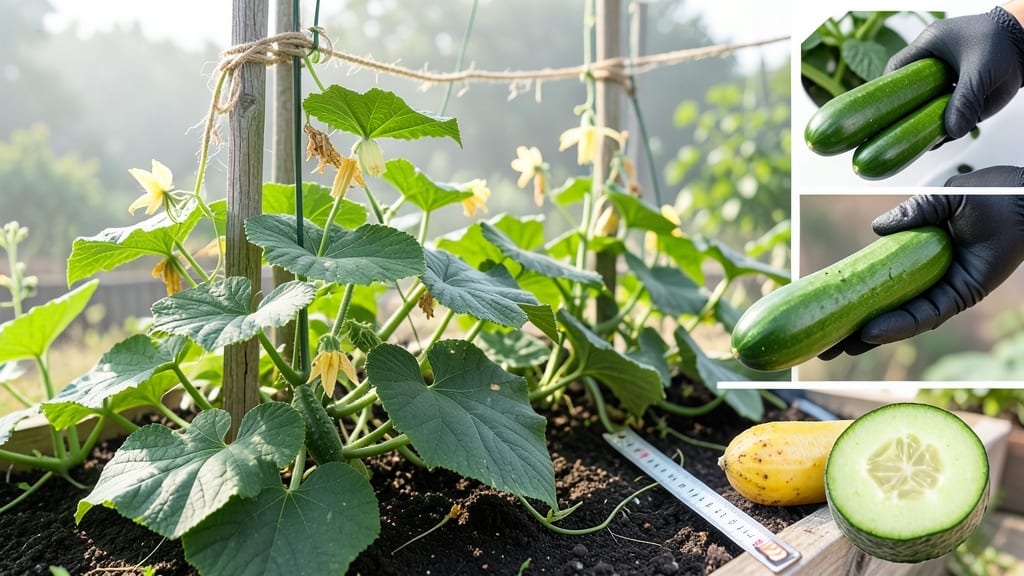
Knowing when to harvest cucumbers guarantees crisp, flavorful 🥒 picks that’ll keep your kitchen stocked all summer long — and missing the window means bitter, seedy disappointment.
Picture this: you’ve been waiting weeks for those first cucumbers to appear, only to pluck one that’s rock-hard, bland, or worse, already turning yellow. The good news? With just a few simple checks, you’ll never second-guess your timing again.
Most gardeners focus on size or color, but the real secret lies in texture and stem cues. A cucumber’s skin should resist gentle pressure, its stem should snap cleanly, and its seeds should stay firm. These three tricks will transform your harvest from guesswork to guaranteed success.
Below, I break down the exact signs to watch for — plus how to adjust for slicing vs. pickling varieties — so you can keep your plants producing like a pro. Ready to master the harvest?

3 Tactile tricks to identify perfectly ripe cucumbers
Cucumbers are one of those garden rewards where timing matters more than you'd think. A single day too late can turn your crisp, sweet cucumbers into bitter, seedy disappointments—and nobody wants that!
The key to harvesting at peak flavor lies in three simple tactile checks you can do with your hands every morning. These tricks work for slicing, pickling, and heirloom varieties alike, so you’ll never miss the perfect moment again.
I’ve been growing cucumbers for over a decade, and I can tell you from experience that the best harvests come from paying attention to these physical cues rather than guessing by days after planting.
Your fingers and eyes are your best tools here—no fancy gadgets needed. Let’s break down the three must-check signs that guarantee you’ll pick cucumbers at their absolute best.
🌱
🔍 3 Tactile Tricks for Perfectly Ripe Cucumbers
- 📏 Size Check: Measure 6-8 inches for slicing types. Pickling cucumbers should be 2-4 inches when firm. Use a ruler or your hand as a guide—most cucumbers should fit palm-to-wrist for slicing varieties.
- 🤏 Thumbnail Test: Press gently with your thumbnail. The skin should resist slightly but not feel rock-hard. If it dents easily, it’s underripe. If it feels tough and leathery, it’s overripe.
- 🌱 Stem Color: Look at the stem end. For slicing cucumbers, it should turn yellowish or soft. For pickling types, keep harvesting when the stem is still green and firm—they’re best small and crisp.
Pro Tip: Harvest in the morning when temps are cool. Cucumbers wilt faster in heat, making them harder to judge accurately.
Let’s dive deeper into each of these tricks because they’re not just about picking cucumbers—they’re about preserving that garden-fresh crunch and ensuring your plants keep producing. First up: size matters, but not in the way you might think.
While it’s tempting to wait for cucumbers to grow bigger, larger size often means harder seeds and tougher skin, which translates to less flavor and more work to prepare them.
For slicing cucumbers, aim for 6-8 inches long. That’s the sweet spot where they’re fully developed but still packed with moisture and tenderness. If you’re growing pickling varieties, harvest them even smaller—2-4 inches—when they’re firm and bright green.
I remember my first year growing pickles; I let them grow too big, and they turned out bland and watery. Lesson learned! Always check the variety’s guidelines—some heirlooms like ‘Straight Eight’ can be harvested larger, but they’ll still taste best when picked at the right size.
🌿
The thumbnail test is my favorite trick because it’s instant feedback. When you press your thumbnail into the cucumber’s skin, you’re checking its firmness and maturity. A ripe cucumber should feel firm but not hard.
If your thumbnail leaves a dent, the cucumber is underripe and needs more time. If it feels tough or leathery, it’s past its prime. This test works especially well for heirloom varieties, which can vary more in texture than hybrid types.
I also pay close attention to the stem end because it’s a dead giveaway for ripeness. For slicing cucumbers, the stem end should start to yellow or soften slightly. This is nature’s way of telling you it’s time to harvest.
For pickling cucumbers, keep harvesting when the stem is still green—these little guys are best when they’re small, crisp, and full of flavor. I’ve found that pickling cucumbers left on the vine too long develop a bitter taste, no matter how you brine them.
🥒
Here’s a bonus trick I picked up from my neighbor’s 80-year-old gardener: listen to the cucumber. Yes, really! Gently tap a ripe cucumber with your fingernail. A perfectly ripe one will make a hollow, crisp sound.
If it sounds dull, it’s underripe. If it feels mushy inside, it’s overripe. This might sound silly, but it’s a great way to double-check your other tests, especially on cloudy days when color cues might be less obvious.
One common mistake I see (and I’ve done it myself!) is harvesting at the wrong time of day. Cucumbers are 80% water, so they wilt and soften in the heat of the afternoon. Always harvest in the morning when they’re cool and crisp.
This ensures you’re judging them accurately and getting the best flavor. Plus, harvesting in the morning gives you time to store or use them before the heat of the day sets in.
Finally, don’t forget that frequency matters. The more you harvest, the more your cucumber plants will produce. I’ve seen gardens where people pick just a few cucumbers a week, and the plants become overloaded, leading to smaller, bitter fruits.
Aim to harvest every 2-3 days during peak production. Your plants will thank you with bigger yields and better-tasting cucumbers all season long.
☀️
Common harvesting mistakes that ruin cucumbers (and how to avoid them)
Even experienced gardeners fall into the trap of harvesting cucumbers too late—or worse, too early—because they overlook subtle but critical signs. I’ve seen bitter, seedy cucumbers from waiting too long and soft, underripe fruits from picking prematurely. The key? Paying attention to variety-specific cues and timing your harvests right.
One of the biggest mistakes is assuming all cucumbers ripen the same way. Slicing varieties like 'Straight Eight' need to be picked when they’re firm but still bright green, while pickling cucumbers like 'Boston Pickling' should be harvested smaller and harder. Ignoring these differences leads to disappointing results.
Another common error is harvesting at the wrong time of day. Early morning is ideal because cucumbers are cool and hydrated, making them crisp and easier to handle. Waiting until afternoon can lead to wilting or overripe fruits by the time you get to them.
Here’s the most critical mistake: not harvesting frequently enough. Cucumbers produce continuously, and overloading the plant stresses it, reducing future yields. I’ve seen gardeners miss out on weeks of production because they waited for "perfect" size instead of picking regularly.
How to Know When to Harvest Cucumbers
Don’t rely on size alone! A cucumber’s stem color and skin texture are the real giveaways. For slicing types, look for a yellowing stem end and skin that resists gentle pressure. For pickling varieties, harvest when they’re 1-3 inches long and firm.
Time it right: Morning harvests prevent bitterness and overripening. Use a sharp knife or pruners to avoid damaging the vine.
Even worse, some gardeners ignore seed development. Overripe cucumbers have large, soft seeds and a watery interior. If you slice one and the seeds are easily crushed, it’s past its prime. Always check the seeds—firm and small means perfect timing.
Finally, neglecting variety-specific care ruins harvests. For example, burpless cucumbers like 'Burpless Hybrid' stay tender longer and should be picked when slightly larger than standard types. Heirloom varieties often have unique ripening patterns—always check seed packets or plant tags for guidance.
By avoiding these mistakes, you’ll enjoy crisp, flavorful cucumbers all season long—and keep your plants producing like champs. 🥒