
How To
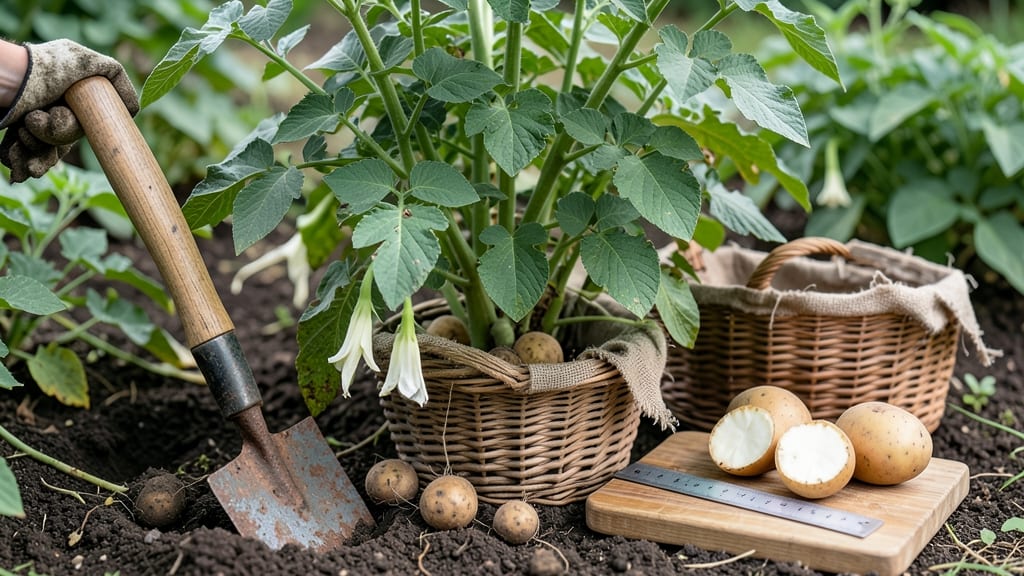
Knowing when to harvest potatoes is all about reading the signs—your plants won’t tell you directly, but they’ll whisper through their leaves, flowers, and even the soil.
Digging up potatoes too early means mealy spuds, but waiting too long risks shriveling—so how do you know the perfect moment to harvest? These science-backed tests will help you pull your 🥔 at peak flavor and texture, every time.
Start by watching the foliage: when those once-vibrant green leaves begin to yellow and die back, it’s a clear signal. But don’t stop there—dig deeper (literally) with the soil and skin tests that reveal whether your tubers are truly ready.
Whether you’re growing early-season reds or late-season russets, this guide breaks down the exact cues to harvest at the right time, so you’re left with firm, flavorful potatoes instead of wasted effort.

3 Reliable tests to determine potato harvest readiness
Knowing when to harvest potatoes can feel like guessing—until you learn these three science-backed tests. Each method reveals critical clues about tuber maturity, helping you avoid mealy, underdeveloped potatoes or overripe, shriveled spuds.
The key is combining visual cues with hands-on checks, tailored to your potato variety and climate zone.
Early-season varieties like Yukon Gold may signal readiness in 60-70 days, while late harvesters like Russet Burbank need 90-120 days. Regional differences matter too—cooler zones (like USDA 3-5) often have shorter growing seasons, so adjust your timing accordingly. Let’s break down each test step by step.
For new potatoes, harvest when tubers reach 1-2 inches in diameter—they’re best eaten fresh. Use the leaf test first; dig a small test patch when 20-30% of leaves yellow. Mature potatoes for storage need all three tests: yellowing leaves + faded flowers + thick skin.
Pro tip: Dig in dry soil to avoid damaging tubers.
Timing is everything—especially for late-season varieties. If your area faces early frosts, harvest 10-14 days before the first frost date to prevent soil freezing. For example, in Zone 4, aim for mid-August to early September.
Always cure harvested potatoes for 5-10 days in a cool, dark, humid space (60°F) to toughen skins and improve storage life.
What if your potatoes sprout before harvest? This signals overmaturity—dig immediately to avoid shriveling. For organic gardeners, avoid synthetic sprout inhibitors; instead, store potatoes in well-ventilated cardboard boxes with sawdust or straw to slow sprouting. Sprouted tubers are still edible but lose starch content.
One common mistake is relying solely on days to maturity. While seed packets provide ideal growing days, real-world conditions vary. Combine the leaf, flower, and skin tests for accuracy. For container-grown potatoes, harvest when tubers fill the pot—check by gently sifting soil or using the skin test.
Remember: Early harvest = tender, waxy potatoes (great for boiling or roasting). Late harvest = floury, starchy potatoes (ideal for baking or frying). By mastering these tests, you’ll consistently harvest potatoes at their peak, whether you’re growing fingerlings, russets, or sweet potatoes.
Now that you’ve mastered the tests, your next step is post-harvest care. Store potatoes in a cool (40-50°F), dark, and humid environment to prevent sprouting and rotting. Avoid refrigeration—it converts starch to sugar, making potatoes sweet and mealy.
When to harvest by potato type: new vs mature tubers
Not all potatoes are created equal when it comes to harvest timing. New potatoes (also called "baby potatoes") are harvested young for tender, delicate flavors, while mature potatoes need full growth to store well through winter.
The key difference? Size, skin thickness, and intended use determine which method you should use.
For new potatoes, aim for 1-2 inch tubers with thin, tender skin. These are perfect for quick cooking but won’t store long-term. Meanwhile, mature potatoes should reach 3-6 inches in diameter with thick, hardened skin to resist bruising and diseases during storage.
| Feature | New Potatoes | Mature Potatoes |
|---|---|---|
| Size | 1-2 inches | 3-6 inches |
| Skin Thickness | Thin, tender | Thick, tough |
| Best Harvest Time | 60-75 days | 90-120 days |
| Soil Condition | Moist, loose | Dry, well-drained |
| Storage Life | 1-2 weeks | 3-6 months |
| Ideal Varieties | Yukon Gold, Red Pontiac | Russet, Kennebec, Fingerlings |
To harvest new potatoes, gently dig around the plant’s edges when tubers are golf-ball sized. Avoid disturbing the roots to prevent bruising. For mature potatoes, wait until the foliage yellows and dies back—this signals the tubers have fully matured and stored energy underground.
After harvesting, let mature potatoes cure in sunlight for 2-4 hours to thicken their skins. Store them in a cool, dark, humid place (45-50°F) with good airflow. New potatoes should be used immediately or stored in the fridge for up to 2 weeks to maintain freshness.
One common mistake? Harvesting mature potatoes in wet soil, which causes bruising. Always dig when the soil is dry enough to crumble—this protects both new and mature tubers from damage. For extra protection, handle them with care and avoid stacking heavy containers.
Pro tip: If you’re unsure whether your potatoes are ready, do the thumbnail test. Press your thumbnail into a tuber—if it resists, it’s mature; if it dents easily, it’s still growing. Timing is everything, so watch your plants closely for the perfect harvest moment!