
How To
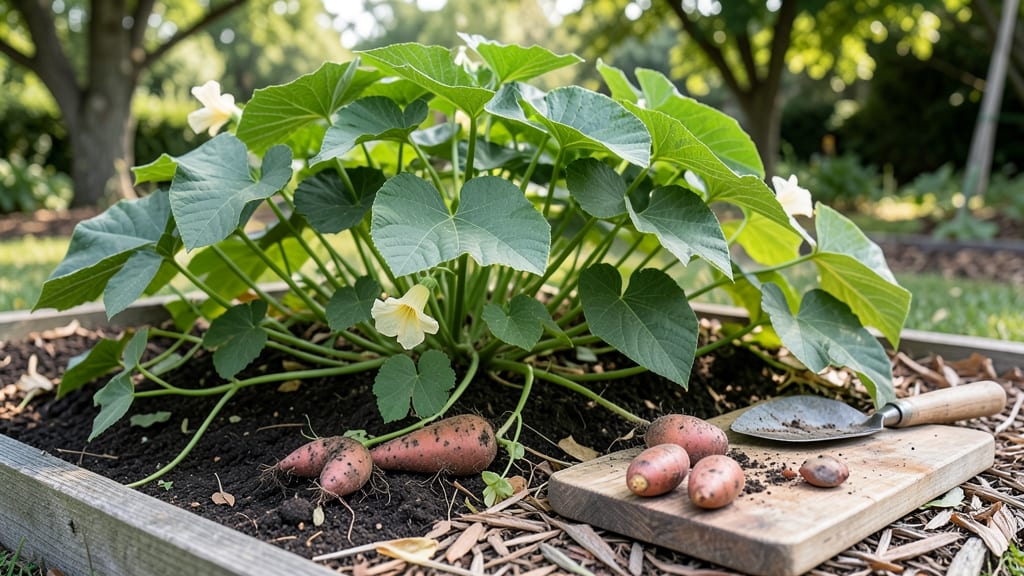
Knowing when to harvest sweet potatoes 🍠 isn’t just about counting days—it’s about reading the plants’ signals, like skin that slips easily and vines turning yellow.
Picture this: You’ve spent months nurturing your sweet potatoes, and now the moment of truth arrives. One wrong move—digging too early or too late—and you’ll end up with small, woody tubers or shriveled, flavorless ones. The key lies in those subtle cues the plants give you before they vanish underground.
From the classic "skin slip test" to the telltale yellowing of the foliage, I’ll walk you through the five foolproof signs that your sweet potatoes are ready to pull. No guesswork, just a harvest packed with flavor and storage potential.
You’ll also discover how to adjust for your region’s frost risks, avoid common mistakes that waste your crop, and even troubleshoot if your plants don’t seem to cooperate. Let’s get those tubers out of the ground at the perfect moment!

5 Key signs your sweet potatoes are ready for harvest
Timing your sweet potato harvest perfectly ensures you get sweet, flavorful tubers that store well for months. Unlike regular potatoes, sweet potatoes need specific visual and tactile cues to signal they're ready.
Ignoring these signs can lead to small, woody tubers or ones that rot in storage. The good news? You don’t need fancy tools—just your hands and eyes!
Most gardeners wait 90-150 days after planting, but the real magic happens when nature gives you the green light. Look for yellowing vines, dry foliage, and that satisfying skin slip—where the tuber detaches easily from the vine.
These cues mean your sweet potatoes are at their peak sweetness and storage potential.
The skin slip test is your best friend. Gently grasp a tuber near the vine and wiggle it. If it slips free with minimal effort, it’s ready. If it resists, give it a few more days.
This test works best in the morning when soil is moist. Overlooking this step often leads to underdeveloped tubers or ones that bruise easily during harvest.
🌱 5 Signs Your Sweet Potatoes Are Harvest-Ready
-
1. Vines Turn Yellow and Die Back
Healthy green vines transform into straw-colored foliage. This natural senescence means the plant is redirecting energy to the tubers. -
2. Skin Slips Easily from the Vine
Gently wiggle a tuber—if it detaches without force, it’s ready. This tactile cue is foolproof for peak harvest timing. -
3. Tubers Reach 2-3 Inches in Diameter
Aim for baseball-sized tubers. Smaller ones (under 1 inch) are woody and bland, while giants may have hollow centers. -
4. Soil is Dry Around the Base
Check the soil near the vines—if it’s cracking or pulling away, the tubers have stopped growing and are cured naturally. -
5. First Frost is Imminent (Cold Climates)
If frost is forecast within 2-3 weeks, harvest before temperatures drop below 50°F (10°C) to avoid tuber damage.
Pro Tip: Harvest on a dry, sunny day to prevent soil from clinging to tubers, making curing easier.
Don’t rely solely on days since planting—leaf color changes are your most reliable indicator. When the vines turn yellow and crispy (like dried paper), it’s a clear signal. This process, called senescence, happens when the plant stops producing food for the leaves and redirects it to the tubers.
If you see green leaves persisting, your sweet potatoes aren’t ready yet.
Size matters, but not how you might think. While you might assume bigger is better, overgrown tubers (larger than 3 inches) often develop hollow centers and poor texture. Aim for 2-3 inches in diameter—this size guarantees the best balance of sweetness and storage life.
Use a ruler or your thumb as a guide: a tuber should fit snugly between your thumb and forefinger.
Soil conditions play a sneaky role in harvest timing. When the soil around your sweet potato plants feels dry and crumbly near the base, it’s a sign the tubers have finished growing.
This happens because the plant stops pulling moisture from the soil to focus on storing energy in the tubers. If the soil is still damp, give your crop a few more weeks to mature.
In colder climates, frost is your deadline. Sweet potatoes can’t survive freezing temperatures, so if frost is forecast within 2-3 weeks, harvest immediately—even if the vines aren’t fully yellow.
Dig gently to avoid damaging the tubers, then cure them indoors for 10 days to develop their sweet flavor. Skipping this step leads to bland, watery tubers that spoil quickly.
Once you’ve confirmed all five signs, it’s time to harvest. Use a fork or hands to gently loosen the soil around the base of the vines, then pull the tubers free.
Avoid cutting into them with tools—this causes bruising and shortens storage life. After harvest, let them air-cure in a warm, dry place for 5-10 days before storing.
Mastering these signs ensures you’ll always harvest sweet potatoes at their peak flavor and storage potential. Next time you’re tempted to dig early, remember: patience pays off with sweeter, longer-lasting tubers that’ll keep your kitchen stocked all winter. Happy harvesting! 🍠
When to harvest sweet potatoes by variety: early vs. late season tips
Not all sweet potato varieties mature at the same time, which means your harvest timing should depend on what you're growing. Early varieties like Beauregard can be ready in as few as 90 days, while late-season types like Jewel may need up to 150 days to reach peak flavor and size.
Understanding these differences helps you avoid digging too soon (woody tubers) or too late (frost damage).
Your growing season length also matters—short-season gardeners in USDA Zones 5-7 should prioritize early varieties, while those in Zones 8-10 can afford to wait longer. For example, Garnet sweet potatoes thrive in warmer climates but struggle in cooler regions where frost arrives early.
Let's break down the best harvest windows for popular varieties and how to adjust for your climate.
For gardeners in short-season areas (like Zones 5-6), focus on early varieties such as Beauregard or Hannah. These can be planted as soon as soil warms to 65°F (18°C) and harvested before frost arrives.
In contrast, long-season varieties like Jewel need more heat, making them better suited for Zones 7-10 where frost arrives later.
If you're unsure about your frost date, use the skin slip test as your final cue: gently dig near the vines and check if the skin slips easily from the tuber. If it does, your sweet potatoes are ready—regardless of the variety.
For late-season varieties, you can also harvest a few tubers early to test flavor and size, leaving the rest in the ground until the vines fully yellow.
Pro tip: In warmer climates, some gardeners leave sweet potatoes in the ground until the foliage dies back completely, as the tubers continue to sweeten in the soil.
However, in cooler regions, always harvest before the first frost to prevent damage. Store your harvest in a dry, dark place at 80-85°F for optimal curing and flavor development.
🍠