
How To
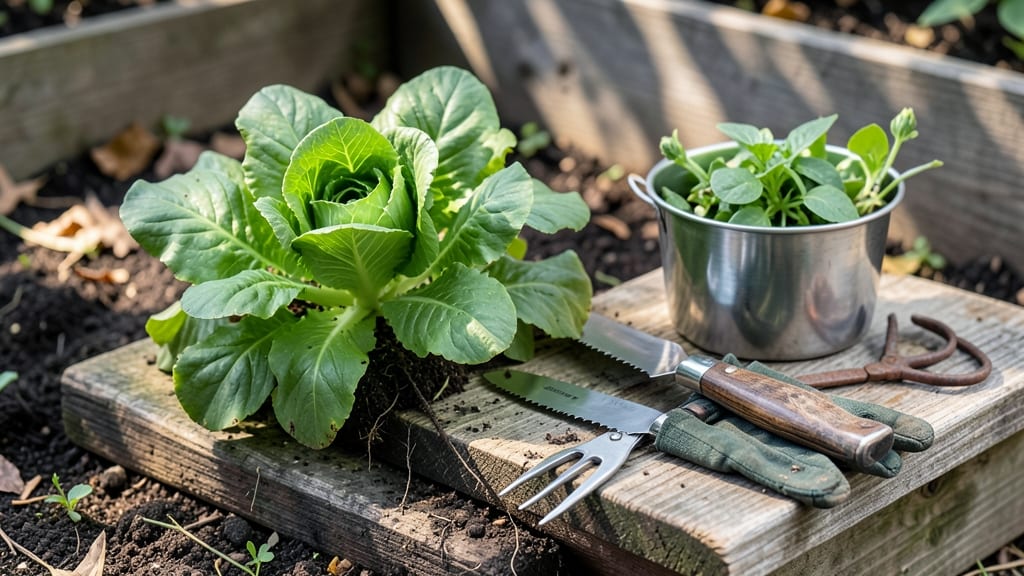
Properly harvesting lettuce 🥬 means crisp, flavorful leaves and a plant that keeps producing for weeks—if you use the right timing and techniques.
Picture this: you’ve nurtured your lettuce for weeks, only to pull a bitter leaf or snap a stem that won’t regrow. The secret? A simple stem snap test that tells you exactly when to harvest without sacrificing future growth.
This guide breaks down the best tools, cutting methods for loose-leaf vs. head varieties, and post-harvest care to extend your harvest season. Avoid common mistakes like over-trimming or harvesting too late, and learn how to revive your plants for a second (or third!) flush of tender greens.
By mastering these steps, you’ll enjoy a steady supply of fresh, homegrown lettuce—no store-bought salads required. Let’s get started.

The stem snap test: how to check lettuce readiness for harvest
Harvesting lettuce at the wrong time can mean bitter leaves or wasted plants. The stem snap test is my go-to method to determine when lettuce is ready—it’s simple, reliable, and saves me from over-mature harvests every season.
This test checks stem flexibility and leaf development to ensure you pick lettuce when it’s tender, flavorful, and ready for regrowth.
Why does this test work? Lettuce plants develop bolting resistance when stressed, and harvesting too late triggers bitter flavors. The snap test helps you avoid this by confirming the plant’s ideal maturity stage before you cut.
For loose-leaf varieties, this means harvesting outer leaves first, while head lettuce should be harvested whole when stems snap easily.
Timing is everything when it comes to lettuce. If you harvest too early, you’ll get small, underdeveloped leaves, and if you wait too long, the plant may bolt (send up a flower stalk) or develop bitter flavors.
The stem snap test helps you strike the perfect balance by confirming the plant’s structural readiness. For example, my Buttercrunch lettuce always passes the snap test around 45 days after sowing, while loose-leaf varieties like Oakleaf can be harvested every 2-3 weeks once they reach maturity.
Another key benefit of this method is that it prevents over-maturation, which can turn your crisp lettuce into a tough, bitter mess. I’ve learned this the hard way—once, I ignored the snap test and ended up with lettuce that tasted like cardboard!
By using this test, you’ll avoid that fate and enjoy tender, flavorful leaves for weeks.
Pro tip: Perform the snap test in the morning when stems are firmest. Avoid testing after rain or watering, as stems may bend without breaking due to excess moisture. Also, always use clean, sharp scissors or pruners to harvest—dull tools crush stems and damage the plant, slowing down regrowth.
For head lettuce varieties, like Iceberg or Romaine, the snap test is even more critical. These types need to be harvested whole when the stem snaps easily, as cutting too early can stunt the head’s development.
Meanwhile, loose-leaf varieties benefit from the snap test by allowing you to harvest outer leaves while the inner leaves continue growing. This cut-and-come-again method can extend your harvest window by up to 6-8 weeks!
One common mistake I see is harvesting lettuce based solely on leaf size or color without testing the stem. Big leaves don’t always mean maturity—sometimes they’re just stretching due to nutrient stress or overcrowding.
The snap test gives you a physical confirmation that the plant is truly ready, not just guessing based on appearance.
If your lettuce fails the snap test but the leaves look mature, it might be underwatered or nutrient-deficient. In this case, give the plant a deep watering and a light fertilizer (like a balanced 5-10-10) to encourage stronger stem development.
Re-test in 3-4 days—you’ll often see improvement if the issue was water or nutrients.
Mastering the stem snap test has doubled my lettuce yield over the years. Not only do I get more harvests, but the flavor is consistently better because I’m picking at the peak of tenderness.
Give it a try in your garden—your taste buds (and your plants) will thank you! 🥬✂️
Cutting vs. picking lettuce: techniques for regrowth and full harvests
Choosing the right harvesting method for your lettuce can mean the difference between a single harvest and weeks of fresh greens.
The two main techniques—cut-and-come-again and whole-head harvest—each serve different goals. Loose-leaf varieties like buttercrunch or oakleaf thrive with cutting, while romaine or iceberg often demand whole-head removal for best results. Let’s break down when and how to use each.
For cut-and-come-again harvesting, you’ll trim leaves 1-2 inches above the soil using clean pruning shears or scissors. This method works best for heat-tolerant varieties like romaine or leaf lettuce and encourages regrowth.
However, over-trimming can stress the plant, leading to bolting or stunted growth. Always leave at least 2-3 inches of stem to support new leaves.
The whole-head harvest involves cutting the entire plant at the base with a sharp knife. This is ideal for head lettuce varieties like iceberg or crimson, which don’t regrow well after cutting. While this method provides a single, large harvest, it sacrifices future yields.
Use this technique when you need a clean, full head for salads or cooking, or when the plant shows signs of bolting or disease.
Cut-and-Come-Again Harvesting
Pros
- Encourages regrowth for weeks
- Works for loose-leaf varieties
- Reduces waste and maximizes yield
- Ideal for small gardens
Cons
- Risk of over-trimming and bolting
- Requires frequent attention
- Not suitable for head lettuce
Whole-Head Harvesting
Pros
- Provides a full, clean head
- Best for iceberg/romaine varieties
- Eliminates diseased plants quickly
Cons
- No regrowth possible
- Limited to one harvest per plant
- Requires replanting for continuous yield
Avoid these common mistakes to keep your lettuce thriving. First, never cut into the center of the plant—this damages the growing point and halts regrowth. Second, harvest in the morning when leaves are crisp and hydrated. Finally, rotate your harvesting location if growing multiple plants to prevent soil depletion.
For heat-sensitive varieties like butterhead, prioritize shade cloth or partial shade during hot days. This prevents bolting and keeps leaves tender. Pair your harvesting with light fertilization (5-10-10 NPK) every 3-4 weeks to support regrowth.
With the right technique, you’ll enjoy fresh lettuce for 6-8 weeks from a single planting!
Experiment with both methods to see what works best for your climate and variety. Over time, you’ll master the art of harvesting lettuce while keeping your garden productive and delicious. Happy harvesting! 🥬✂️