
Vegetables
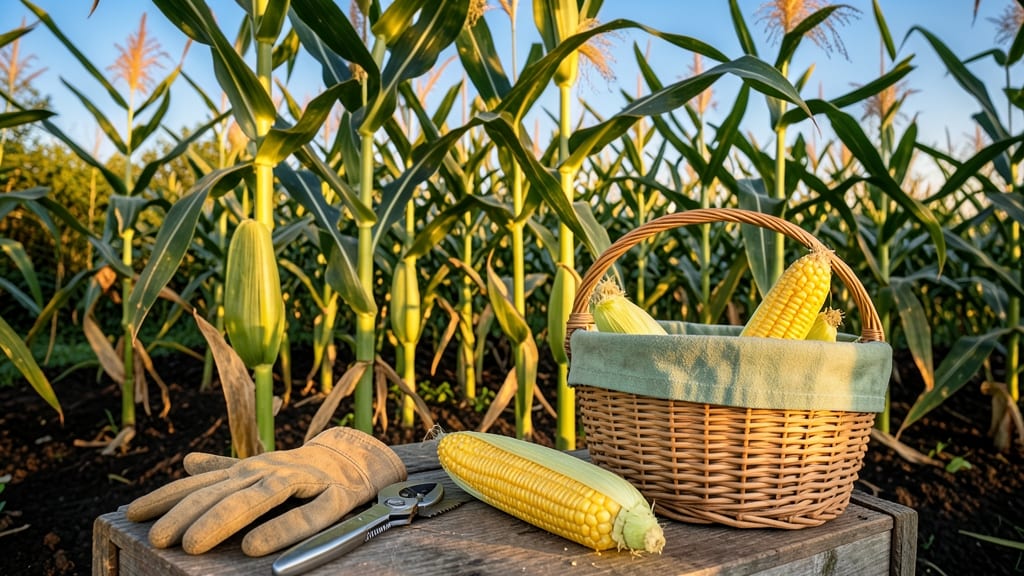
Harvesting sweet corn at the right time 🌽 turns a simple garden task into a flavor explosion—when silks brown and kernels reach the milky stage, you’re just days away from peak sweetness.
Picture this: you pull back the husk, expecting perfect corn, only to find kernels that are hard as rocks or worse, already turning starchy. That’s the difference between a juicy, tender bite and a disappointment.
The secret? Watching for those two key signals—dry brown silks and the telltale milky liquid when you pierce a kernel.
Timing matters more than you’d think. Too early, and the ears won’t be fully developed; too late, and the sugar converts to starch, leaving you with less-than-sweet results. In Zone 6a, that window opens in mid-July, but the exact moment depends on your variety and growing conditions.
Below, I’ll walk you through the exact steps to test for ripeness, avoid common mistakes, and even store your harvest so it stays sweet for days—not just hours. Ready to go from guesswork to foolproof flavor?

How to determine sweet corn harvest time using silk color & kernel development
Sweet corn is one of those rewarding summer crops that requires precise timing for peak flavor. Most varieties reach harvest readiness between 70-80 days after planting, but relying on days alone isn't enough.
The real magic happens when you combine silk color changes with the kernel milk test—two foolproof indicators that tell you exactly when to pick.
I’ve learned the hard way that waiting too long turns sweet corn starchy and tough, while harvesting too early means underdeveloped kernels. The secret is watching for brown, dry silks paired with kernels that are plump and milky when pierced.
These visual cues work for standard, sugar-enhanced, and supersweet varieties, though timing can vary slightly between types.
Let’s break down the exact harvest readiness signals you should watch for, so you can enjoy corn at its sweetest peak every season.
| Harvest Indicator | Ready Stage | Not Ready Stage | Action |
|---|---|---|---|
| Silk Color | Brown and dry | Green and moist | Check kernels next |
| Kernel Milk Test | Milky white liquid | Clear or watery | Harvest immediately |
| Ear Feel | Heavy and full | Light and hollow | Wait 1-2 days |
| Husk Condition | Pulls back easily | Tight and resistant | Not ready yet |
| Kernel Size | 1 inch or larger | Small and shriveled | Check daily |
First, focus on the silks—those long, thread-like strands emerging from the top of the ear. When they first appear, they’re bright green and moist, signaling early development.
As the corn matures, the silks gradually turn brown and crispy to the touch, which is your first major clue that harvest time is near.
I recommend checking silks every 2-3 days during the final two weeks before expected harvest. If you see dry, papery brown silks, it’s time to move to the next step: the kernel milk test.
This test is non-negotiable for peak sweetness—it’s how you avoid that dreaded starchy texture.
To perform the kernel milk test, pierce a kernel with your fingernail or a small knife. If a milky white liquid oozes out, your corn is ready to harvest.
If the liquid is clear or watery, wait another day or two. Overripe corn will have translucent kernels that lack sweetness, so don’t skip this step!
Another pro tip I’ve picked up from years of gardening: harvest in the morning when temperatures are coolest. This preserves sweetness and firmness, especially during hot summer days. Early morning also means you’re less likely to miss the perfect ripeness window, which can close quickly once silks turn brown.
Don’t forget to twist the ear gently while holding the husk to avoid damaging the stalk. If the ear pops off easily, it’s ready. If it resists, wait another day.
Once harvested, store ears in the fridge for up to a week or cook them immediately for the best flavor. The longer you wait after picking, the faster sweetness fades.
For supersweet varieties, like 'Ambrosia' or 'Silver Queen', kernels may stay sweet for a slightly longer window, but the silk and milk tests still apply. These types often have brighter yellow kernels when ripe, so keep an eye on color too. Standard varieties
Common mistakes that ruin sweet corn flavor & how to avoid them
Harvesting sweet corn at the wrong time can turn your homegrown bounty into a tough, starchy mess. The key is understanding when kernels lose their natural sweetness and moisture. Overripe corn develops hard, dry kernels while underripe ears stay small and watery.
Both mistakes happen when gardeners ignore the silk color and kernel milk test—two foolproof indicators.
Even experienced growers sometimes pick too late, thinking more time equals better flavor. But waiting just 24-48 hours past peak ripeness causes sugars to convert to starch, making corn tough and bland.
The worst offense? Harvesting in the hot afternoon sun, which accelerates moisture loss and makes kernels shrink before you even get them indoors.
For peak flavor, always harvest in the early morning when temperatures are coolest. This preserves kernel moisture and sweetness. I like to check my plants between 6-8 AM when silks are dry but not brittle. If they crumble easily, you’ve missed the window—those ears will be tough by dinnertime.
Another critical mistake is ignoring kernel development. Pierce a kernel with your fingernail—if it releases milky white liquid, it’s perfect. But if the juice is clear or watery, the corn needs more time.
Worse yet, if you see yellow or translucent kernels, those ears have passed their prime and will taste mealy.
Storage also plays a huge role in preserving sweetness. Never leave harvested ears in the sun or store them in humid conditions. Instead, refrigerate them in a plastic bag with a paper towel to absorb excess moisture.
For longer storage, blanch and freeze corn immediately after picking—this locks in sweetness for up to 9 months.
Pro tip: Harvest every 2-3 days during peak season to ensure consistent ripeness. Most varieties produce ears over 2-3 weeks, so check plants daily. The first ears to mature often signal the rest are close behind—don’t let them overripe while you wait for the stragglers!