
Picking
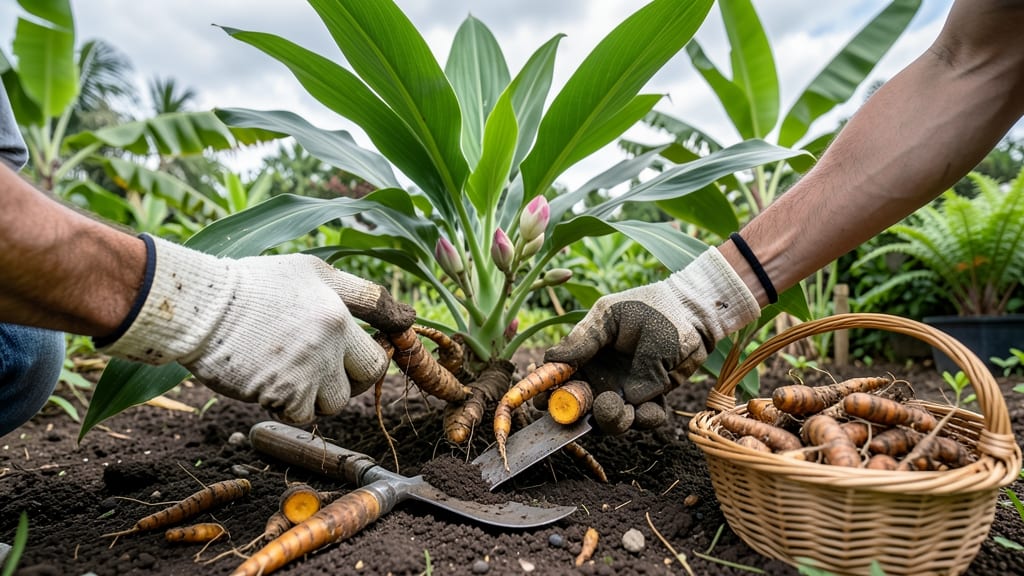
Harvesting turmeric at the right time turns those hidden rhizomes into the vibrant golden spice you crave 🌿—and missing the window means bland, underdeveloped roots.
If you’ve spent months nurturing your turmeric plants, knowing the exact moment to harvest can mean the difference between vibrant golden rhizomes and bland, underdeveloped roots—here’s how to time it perfectly.
The key is watching for three clear signs: leaves turning yellow and dying back, rhizomes reaching 1.5-2 inches in diameter, and a deep golden hue when exposed. In Zone 6a, this usually falls between October and November, but frost sensitivity means acting fast if it arrives early.
Below, I’ll walk you through the step-by-step process—from digging to curing and storing—so your harvest stays flavorful for months. No guesswork, just proven techniques for the best turmeric you’ve ever grown.

Signs your turmeric rhizomes are ready for harvest (by month & growth stage)
Harvesting turmeric at the right time ensures maximum flavor and potency in your golden rhizomes. The key is watching for visual cues like leaf color changes and rhizome development rather than relying on a strict calendar.
In tropical/subtropical climates, turmeric thrives year-round, while in cooler zones, timing aligns with 9-10 months after planting.
For most gardeners, the ideal harvest window falls between October and November in temperate zones, but tropical growers can harvest year-round with consistent care. The secret lies in observing three critical signs: leaf yellowing, rhizome size, and stem firmness. Ignoring these can lead to underdeveloped or overly fibrous rhizomes.
One of the first visual indicators is when the leaves start yellowing from the bottom upward. This signals the plant is redirecting energy to the rhizomes. In tropical climates, this can happen anytime after 6 months, while temperate zones typically see this in late summer/early fall.
Pay attention to the color shift from green to yellow—this is your plant's way of saying, "I'm ready!"
Next, check the rhizome size by gently digging around the base. Aim for 1.5-2 inches in diameter—any smaller, and they'll lack flavor; any larger, and they become woody. Run your fingers along the rhizomes: firm texture means they're ready, while soft or spongy ones need more time.
Pro tip: If the stems snap easily when bent, that's another green light.
Soil conditions also play a role. In well-draining soil, rhizomes develop faster, but if your soil is waterlogged, growth slows. Tropical growers should harvest when daytime temps drop slightly (even if just 5-10°F cooler), as this triggers maturity.
For cooler climates, wait until after the first frost—turmeric can't survive freezing, but the cold helps sweeten the rhizomes.
Don't rely solely on months—growth stages matter more. If your turmeric is in a container, it may mature faster than in-ground plants. Check for golden-yellow rhizomes with minimal fibers.
Over-mature rhizomes (>2 inches) become tough and lose their signature earthy-sweet flavor. The best time to harvest is when 70-80% of leaves have turned yellow, but before they completely die back.
For tropical gardeners, seasonal variations are minimal, but monsoon seasons can delay harvest. If heavy rains persist, rhizomes may swell unevenly, so monitor closely. In contrast, drought stress can stunt growth, so maintain consistent moisture.
The key is balance: enough water for growth, but not so much that rhizomes rot.
One common mistake is harvesting too early for smaller rhizomes. While you might need them for cooking, underdeveloped turmeric lacks the bold flavor of fully mature rhizomes. If you're unsure, dig up one plant as a test.
Cure it for a week and taste it—if it's bland, wait longer. Patience here pays off with vibrant, flavorful turmeric that stands out in any dish.
Finally, consider your climate zone. In USDA Zone
Step-by-step turmeric harvesting process: digging, curing, and storing for maximum flavor
Now that your turmeric rhizomes have reached peak maturity, the next critical phase is harvesting them properly to preserve their vibrant color and potent flavor. A gentle touch and precise timing will ensure you don’t damage these delicate roots during extraction.
The process involves three key stages: digging, curing, and storage, each requiring specific techniques to maintain quality.
Harvesting too early or too late can drastically reduce the quality of your turmeric. Ideally, you’ll harvest when the leaves turn yellow and the rhizomes reach 1.5–2 inches in diameter. This usually occurs 9–10 months after planting, typically in late October or November in temperate climates.
If you miss this window, the rhizomes may become woody or split, ruining their culinary value.
- 1 Prepare the Soil: Water the turmeric plants thoroughly 1–2 days before harvesting to soften the soil and make rhizomes easier to extract. Avoid overwatering, as soggy soil can cause damage. Use a garden fork to loosen the soil around the plants gently, working it 2–3 inches deep to minimize root disturbance.
- 2 Dig Carefully: Use a hand trowel or garden fork to lift the rhizomes from the soil. Gently pry around the base of the plant, working your tool 1–2 inches away from the stems to avoid cutting the rhizomes. Shake off excess soil, but don’t rinse them yet—this can introduce moisture and spoil the curing process.
- 3 Trim the Stems: Cut the leafy stems close to the rhizome base using a sharp knife or pruners. Leave a ½-inch stub to prevent the rhizomes from drying out too quickly. Discard the foliage, as it’s not used in culinary applications.
- 4 Choose a Curing Method: Turmeric can be cured using sun-drying or shade-drying. For sun-drying, lay the rhizomes in a single layer on a clean, dry surface (like a mesh screen) under direct sunlight for 5–7 days. For shade-drying, place them in a well-ventilated, dry area (like a garage or shed) for 10–14 days. Sun-drying intensifies the color but risks burning, while shade-drying preserves moisture better.
- 5 Inspect and Store: Once fully cured, the rhizomes should be dry to the touch and develop a deep golden hue. Remove any remaining soil or debris, then store them in a cool, dark place (like a pantry) in a paper bag or breathable cloth sack. Properly stored turmeric can last up to 12 months while retaining its flavor and color.
After curing, your turmeric rhizomes should be firm and vibrant. If you notice any soft spots or mold, discard those immediately, as they can spread and ruin the entire batch.
For long-term storage, consider freezing whole rhizomes in an airtight container—this preserves their potency for even longer while making them easy to grate fresh when needed.
One pro tip: If you’re harvesting in a humid climate, opt for shade-drying to prevent mold growth. Conversely, in dry, sunny regions, sun-drying can enhance the rhizomes’ color and flavor.
Always monitor the curing process daily to ensure optimal results. With these steps, you’ll enjoy homegrown turmeric that rivals store-bought in both taste and quality! 🌱
Finally, save a few small rhizomes for replanting next season. These can be stored in a paper towel-lined container in the refrigerator until spring. This ensures you’ll always have a fresh supply of this versatile herb ready for gardening or cooking adventures. ☀️