
Picking
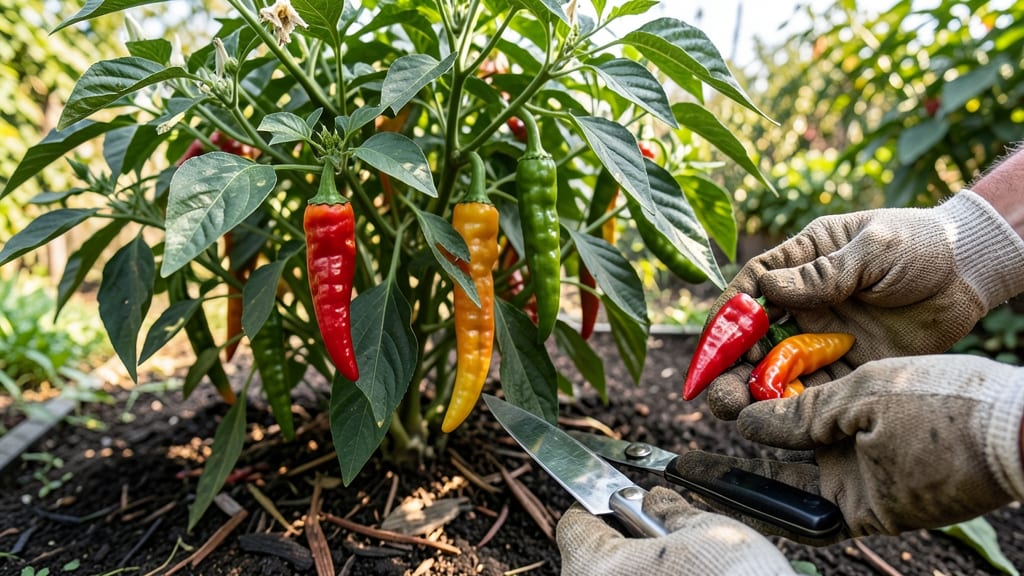
Harvesting ghost peppers at the right time means capturing their legendary 860,000+ Scoville heat units—and avoiding bitter, underripe fruit that ruins your dishes.
You’ve nurtured your 🌶️ ghost peppers all season, but picking too early or too late can turn your fiery harvest into a flavorless disappointment. The key? Watching for three color-stage cues that signal peak ripeness—and knowing when to act before the first frost hits.
Most gardeners in USDA Zone 6a wait until late September or October, but timing depends on your plant’s maturity and the weather. A fully ripened ghost pepper isn’t just red—it’s firm, glossy, and ready to deliver that signature ghostly burn.
In this guide, I’ll walk you through the 3 color-stage tricks to harvest ghost peppers at their most potent, plus how to test ripeness and store them for maximum heat. No more guessing—just perfect, fiery flavor every time.

Ghost pepper harvesting by color: 3 stages to master for peak heat
Harvesting ghost peppers at the right stage can mean the difference between 860,000 Scoville units of fiery heat and a bitter, underwhelming pod. The color of your pepper isn’t just about aesthetics—it’s a clear indicator of heat, sweetness, and ripeness.
Each stage offers unique flavor profiles, so knowing when to pick ensures you get the most potent harvest possible.
Ghost peppers typically transition through three distinct color stages: green, yellow, and red (or white, depending on the cultivar). Each stage affects the heat intensity, flavor complexity, and textural firmness.
Understanding these stages helps you decide whether to harvest for fresh use, drying, or preserving—each with its own ideal timing for maximum potency.
📌 Key Takeaway: Red ghost peppers pack the most heat, but yellow and green stages offer sweeter, milder flavors. The right choice depends on your culinary goals.
| Color Stage | Heat Level (Scoville) | Flavor Profile | Pod Texture | Best For | Harvest Time |
|---|---|---|---|---|---|
| Green | 20,000–50,000 | Grassy, mild, slightly sweet | Firm, crisp | Fresh salsas, stir-fries | 90–105 days (early harvest) |
| Yellow | 100,000–200,000 | Balanced heat/sweetness | Firm, slightly waxy | Drying, pickling, sauces | 105–115 days (mid-harvest) |
| Red/White | 860,000+ | Fruity, smoky, intense heat | Leathery, glossy | Drying, powders, hot sauces | 115–120 days (peak ripeness) |
🌶️ Pro Tip: Harvest red peppers before frost to preserve maximum heat.
Green ghost peppers are the mildest stage, with heat levels comparable to a jalapeño but with a grassy, herbaceous undertone. These are perfect if you want to use them fresh in dishes where you don’t want overwhelming heat.
However, they lack the complexity and depth of flavor found in later stages. If you’re growing ghost peppers for early-season harvests, green pods are your best bet—but don’t expect the legendary heat.
As ghost peppers mature to yellow, their heat skyrockets to 100,000–200,000 Scoville units, making them 5–10 times hotter than green peppers. This stage strikes a balance between heat and sweetness, offering a tangy, slightly fruity profile.
Yellow ghost peppers are ideal for drying or pickling, as their heat intensifies when preserved. If you’re aiming for homemade hot sauces or spice blends, this is the sweet spot for harvesting.
The red (or white, depending on the variety) stage is where ghost peppers reach their full heat potential, hitting 860,000+ Scoville units—enough to make even experienced spice lovers pause and reconsider.
At this stage, the flavor shifts to smoky, fruity, and intensely spicy, with a leathery texture that’s perfect for drying or grinding into powders.
Harvesting at this stage ensures you capture the peak heat and flavor complexity, but be warned: these peppers are not for the faint of heart!
One common mistake gardeners make is leaving ghost peppers on the vine too long. Once they turn red, their heat doesn’t increase significantly, but their flavor can turn bitter and their texture becomes rubbery.
Always harvest red ghost peppers before the first frost—typically between late September and October in most growing zones—to lock in their maximum potency. If you miss this window, you risk losing both heat and quality.
For gardeners in cooler climates, consider harvesting yellow peppers and drying them indoors to preserve their heat. This method lets you enjoy the high heat levels without waiting for full ripening.
Alternatively, you can pick green peppers for milder dishes and leave others on the plant to ripen naturally. Flexibility is key when growing ghost peppers—adjust your harvest strategy based on your climate, goals, and timeline.
Pay close attention to the stem when harvesting. A ripe ghost pepper’s stem should snap cleanly when twisted gently—this indicates it’s ready for picking.
If the stem resists or breaks unevenly, the pepper isn’t fully mature yet. Patience is crucial here; rushing the harvest can lead to underripe, weak-flavored peppers that fail to deliver the heat and complexity you’re after.
🌱 Final Tip: Store harvested ghost peppers in a cool, dark place (like a pantry) for up to 2 weeks if using fresh. For long-term storage, dry them or freeze them to preserve their Scoville power for months.
How to test ghost pepper ripeness: the 3-Step touch-and-taste method
Harvesting ghost peppers at the wrong stage can turn your fiery harvest into a bitter disappointment. The key lies in a simple 3-step sensory test that combines visual cues, tactile feedback, and even subtle tasting.
Unlike milder peppers, ghost peppers reach their peak heat (860,000+ Scoville units) only when fully mature, but they can quickly overripe. Mastering this method ensures you capture maximum potency for drying or fresh use.
First, examine the color intensity—this is your primary indicator. Ghost peppers typically mature from green to yellow, then to bright red (or white for some varieties). The deeper the color, the more developed the capsaicin content.
However, color alone isn’t enough—you’ll need to combine it with two other critical tests to confirm ripeness. Pro tip: Morning sunlight enhances color visibility, so harvest in the early hours for the most accurate assessment.
Gently press a pepper between your thumb and forefinger. A ripe ghost pepper should feel firm yet slightly leathery—like a well-inflated balloon. If it feels soft or mushy, it’s overripe and may develop bitter flavors. Underripe peppers will feel hard and crisp, lacking the full heat potential.
Twist the pepper gently at its stem. A ripe pepper will snap cleanly with minimal resistance. If the stem resists or breaks unevenly, the pepper isn’t ready. This test confirms the pepper has fully detached from the plant’s nutrients, signaling peak ripeness.
For maximum heat, taste a tiny sliver (use gloves!). A ripe ghost pepper delivers a sharp, lingering burn with fruity undertones. If it tastes mild or sweet, it’s underripe. A bitter or harsh flavor means it’s overripe. This step is optional but helps fine-tune your harvest timing.
🌶️ Harvest Window: 90-120 days after transplanting
Timing your harvest for drying vs. fresh use makes a difference in heat retention. For fresh consumption, harvest when peppers are fully colored but still slightly firm—this preserves their vibrant heat.
For drying, wait until they’re fully red (or white) and firm; dried ghost peppers concentrate their heat, making them even more potent. Store dried peppers in airtight containers away from light to preserve their fiery kick for up to a year.
Environmental factors like temperature and humidity can accelerate ripening. In hot, dry climates, ghost peppers may mature faster, while cooler or humid conditions slow the process. Monitor your plants closely during late summer to early fall (their typical harvest window) and adjust your tests accordingly.
A sudden drop in nighttime temperatures can also signal it’s time to harvest before frost hits.
Remember, ghost peppers are not one-size-fits-all. Some varieties like ‘Bhut Jolokia’ mature faster than others, so always cross-reference your tests with the specific cultivar’s growth timeline.
With practice, you’ll develop an instinct for the perfect harvest moment—when your ghost peppers are at their peak heat and flavor, ready to transform your dishes into fiery masterpieces.